Keep Your Air Purifier in Top Shape: A Simple Guide
To maintain your air purifier, you should clean or replace its filters regularly, usually every 1 to 3 months. This ensures your purifier continues to capture pollutants effectively and operate efficiently. Neglecting filter maintenance can reduce air quality and shorten your purifier’s lifespan.
Keeping your air purifier in top shape is essential for breathing cleaner air at home. Proper maintenance helps your device remove allergens, dust, and odors. Many experts agree that consistent upkeep is key to enjoying the full benefits of air purification.
- Clean or replace filters every 1-3 months.
- Wipe down the exterior regularly.
- Check the pre-filter for debris.
- Ensure proper airflow around the unit.
Let’s walk through exactly how to keep your air purifier running smoothly and efficiently, step by step.
Keeping Your Air Purifier Running Smoothly
Your air purifier is working hard to keep your home’s air clean and fresh. But like any hardworking appliance, it needs a little love to keep performing its best. Regular maintenance isn’t just about keeping it looking nice; it’s about ensuring it effectively captures those tiny particles you want to avoid. Think of it like changing the oil in your car – a little effort now prevents bigger headaches later.
We all want the best air quality possible, especially with allergy season around the corner or if you live with pets. A well-maintained air purifier can be a game-changer for your home environment. It helps reduce dust, pollen, pet dander, smoke, and even odors. So, let’s dive into how you can make sure your air purifier is always ready for the job.
Understanding Your Air Purifier’s Components
Before we get into the nitty-gritty of cleaning, it’s helpful to know what’s inside your air purifier. Most units have a few key parts that need your attention. You’ll typically find a pre-filter, a HEPA filter, and often an activated carbon filter. Understanding what each does helps you appreciate why they need regular care.
The Role of Different Filter Types
The pre-filter is usually the first line of defense. Its job is to catch larger particles like hair, dust bunnies, and pet fur. This protects the more sensitive filters deeper inside. It’s often washable, which is great news for your maintenance routine!
Next up is the HEPA filter. This is the star player for fine particles. HEPA stands for High-Efficiency Particulate Air. It’s designed to capture at least 99.97% of airborne particles as small as 0.3 microns. We’re talking about things like pollen, mold spores, and bacteria. These filters are generally not washable and need to be replaced.
Finally, the activated carbon filter is your odor fighter. It works by absorbing gases and odors from the air. This is fantastic for tackling cooking smells, pet odors, and smoke. Like HEPA filters, carbon filters usually need replacement as they become saturated with absorbed particles and gases.
Your Regular Air Purifier Maintenance Checklist
Sticking to a routine will make maintaining your air purifier simple. We’ve found that having a clear checklist helps immensely. You don’t need to be a tech wizard to do this; just a little bit of time and attention.
Filter Care: The Heart of Maintenance
The most critical part of keeping your air purifier working is filter maintenance. This is where the magic happens, and also where things can go wrong if neglected.
Checking and Cleaning the Pre-Filter
The pre-filter is the unsung hero. Because it catches the biggest offenders, it can get clogged quite quickly. We recommend checking it every few weeks. If it looks dusty or has visible debris, it’s time for a clean.
To clean it, simply remove the filter according to your air purifier’s manual. Most pre-filters can be rinsed under a faucet with cool water. You might use a soft brush or a vacuum cleaner with a brush attachment for stubborn dust. Make sure it’s completely dry before putting it back. A damp filter can lead to mold growth, which is the opposite of what you want!
When to Replace HEPA and Carbon Filters
This is where you’ll need to consult your air purifier’s manual. Manufacturers provide guidelines for filter replacement, and it’s usually based on usage hours or a set timeframe. Generally, HEPA and carbon filters need replacing every 6 to 12 months.
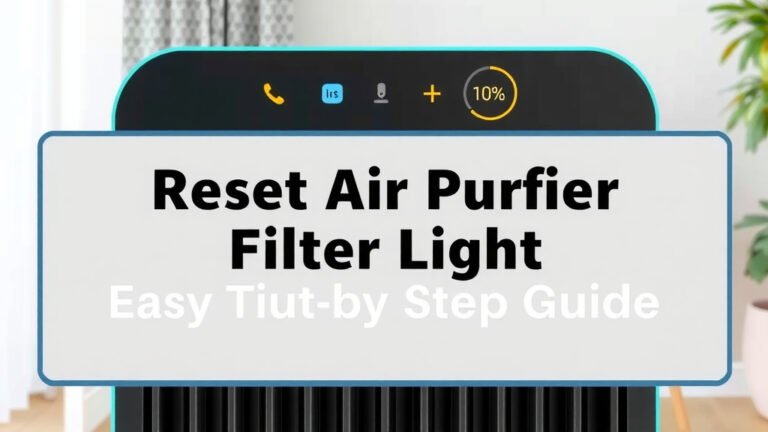
However, several factors can speed this up. If you live in a highly polluted area, have multiple pets, or run your purifier on a high setting constantly, you might need to replace them sooner. Some purifiers have filter indicator lights that will let you know when it’s time. We’ve found that paying attention to changes in air quality, like lingering odors or increased dust, can also signal it’s time for new filters.
Where to Get Replacement Filters
Finding the right filters is essential. Always use filters that are specifically designed for your air purifier model. Using generic or ill-fitting filters can damage your unit and reduce its effectiveness. You can usually purchase them directly from the manufacturer’s website or reputable online retailers. Keep a spare set on hand so you’re never caught off guard!
Keeping the Exterior Clean
While the filters do the heavy lifting for air quality, don’t forget the outside of your unit. Dust can accumulate on the exterior, which isn’t just unsightly; it can actually be drawn into the purifier and affect performance.
Wipe down the outside of your air purifier at least once a month with a soft, dry or slightly damp cloth. Avoid using harsh chemicals or abrasive cleaners, as these can damage the plastic casing. Make sure the unit is unplugged before you start cleaning!
Ensuring Optimal Airflow
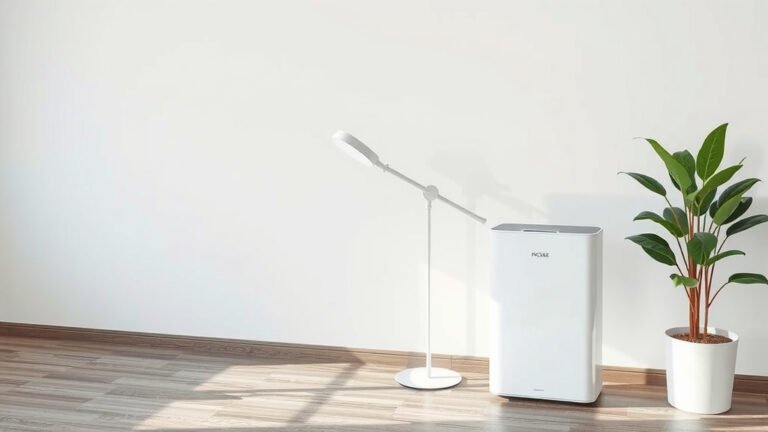
Air purifiers need space to breathe! They work by drawing air in and expelling clean air. If the intake and outflow vents are blocked, the unit has to work harder, is less efficient, and can even overheat.
We found that most manufacturers recommend keeping your air purifier at least 1 to 2 feet away from walls and furniture. Check the vents regularly to ensure they aren’t clogged with dust or obstructed by anything. Also, make sure you’re placing it in a location where air can circulate freely, not tucked away in a corner behind a couch.
Troubleshooting Common Air Purifier Issues
Even with regular maintenance, you might encounter minor issues. Knowing how to troubleshoot can save you time and hassle.
Unusual Noises
If your air purifier starts making strange noises, like rattling or buzzing, it’s often a sign that something is loose. First, unplug the unit and check if the filters are seated correctly. Sometimes, a loose filter can cause vibrations. If the noise persists, there might be an issue with the fan motor, and you may need to contact customer support.
Reduced Airflow or Effectiveness
If you feel like your air purifier isn’t moving as much air as it used to, or you’re not noticing the same improvement in air quality, it’s almost always a filter issue. The pre-filter might be clogged with debris, or the main HEPA and carbon filters could be saturated and need replacing. Double-check your filters first!
Strange Smells
A new air purifier might have a slight plastic smell for the first few hours of operation. However, if your purifier starts emitting unpleasant odors after some use, it’s likely that the activated carbon filter is full. It’s time for a replacement!
Seasonal Air Purifier Care
Your air purifier works harder during certain times of the year. Adjusting your maintenance schedule can help.
Spring Allergies and Summer Pollen
As pollen counts rise in the spring and summer, your air purifier will be working overtime. Many allergy sufferers find that cleaning the pre-filter more frequently during these months is beneficial. This ensures the HEPA filter isn’t overwhelmed by larger pollen particles.
Fall Dust and Winter Indoor Air
In the fall, outdoor dust can become more prevalent as leaves fall. When winter arrives, we tend to keep windows closed, trapping indoor pollutants. This is when your carbon filter is crucial for tackling odors from cooking and general indoor air stagnation. Ensure your carbon filter is in good condition before winter sets in.
Remember, consistent care ensures your air purifier is always ready to provide you and your family with the cleanest air possible. A few minutes of maintenance each month can make a world of difference!
Conclusion
You’ve learned that keeping your air purifier in top shape is a straightforward process. Regular filter care, a clean exterior, and ensuring good airflow are your main tasks. We found that these simple steps are key to your purifier’s efficiency and longevity. By following this maintenance routine, you ensure your home always has the clean, fresh air you deserve. Your next step is simple: check your air purifier’s manual and schedule your first filter cleaning or replacement. You’ve got this!
Frequently Asked Questions
How often should I really check my air purifier’s filters?
We recommend checking your pre-filter every few weeks, especially during high pollen or dusty seasons. For the HEPA and carbon filters, consult your manual for replacement intervals, typically every 6-12 months. Your own observations about air quality can also be a good indicator.
Can I just rinse and reuse my HEPA filter?
No, you generally cannot. HEPA filters are designed to trap very fine particles. Rinsing them can damage their delicate structure and reduce their effectiveness. Always replace HEPA filters as recommended by the manufacturer.
What if my air purifier smells weird?
If your air purifier starts emitting strange odors, it’s most likely due to a saturated activated carbon filter. This filter absorbs smells and gases. It’s time to replace the carbon filter when you notice this happening.
Is it okay to place my air purifier behind furniture?
We found that it’s best to avoid this. Air purifiers need clear space around them to operate efficiently. Keeping your unit at least 1 to 2 feet away from walls and furniture ensures proper airflow and prevents the motor from overworking.
My air purifier is making a rattling noise. What should I do?
First, unplug the unit and check that all filters are securely in place. Sometimes a loose filter can cause vibrations. If the rattling continues after reseating the filters, there might be an issue with the fan motor, and you should contact customer support.