Purify Air Naturally with Essential Oils This August
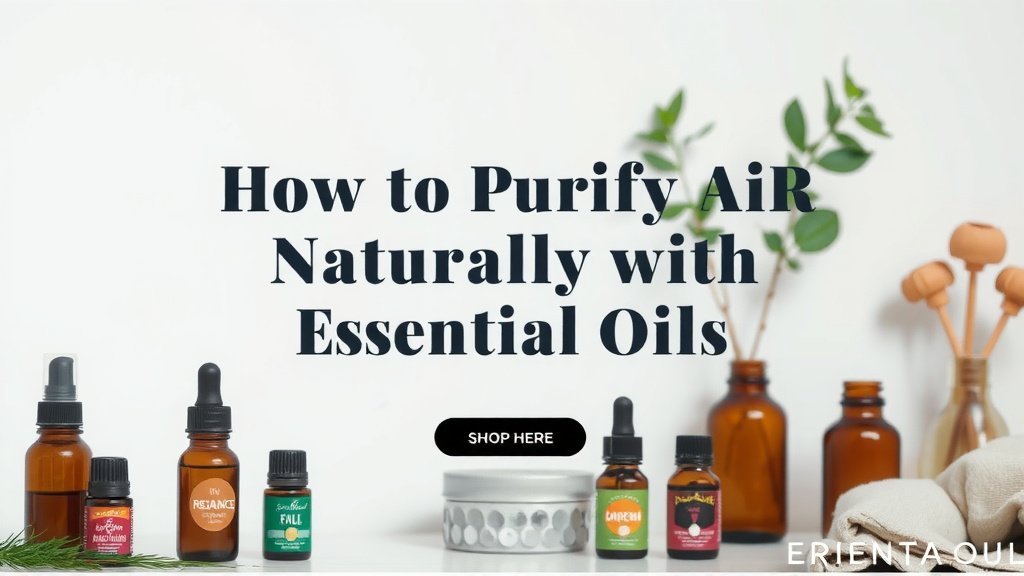
Yes, you can purify the air with essential oils, particularly when using an essential oil diffuser. Many natural oils possess properties that can help neutralize odors and potentially reduce airborne particles, making your home smell fresher and feel cleaner. It’s a lovely way to create a more pleasant environment naturally.
While essential oils won’t replace a good air filter, they offer a fragrant addition to your air-purifying efforts. Certain oils are known for their antimicrobial properties and pleasant scents, contributing to a feeling of freshness. Think of it as a delightful bonus to your clean air routine.
- Use an essential oil diffuser for best results.
- Many oils can help neutralize unpleasant odors.
- Some oils have natural antimicrobial qualities.
- It’s a great way to make your home smell nice.
Let’s dive into which oils work best and how to use them effectively to freshen up your living space.
Freshening Your Home with Essential Oils
You’re likely wondering if essential oils can truly help clean your air. The short answer is yes, especially when used with a diffuser. They’re fantastic at tackling odors and adding a lovely natural scent to your rooms. Think of it as a delightful aromatic bonus to your daily routine.
While they won’t replace your HEPA filter for trapping tiny particles, essential oils can make a noticeable difference. They offer a natural way to create a more pleasant and inviting atmosphere in your home. Let’s get into the nitty-gritty of which oils do what and how to use them best.
Understanding How Essential Oils Work for Air Purification
How can tiny plant extracts actually make your air feel cleaner? It’s all about their natural properties. Many essential oils contain compounds that can combat odor-causing bacteria and even some airborne microbes. They don’t “filter” the air like a machine, but they can neutralize unpleasant smells at their source.
When you diffuse an oil, you release its aromatic molecules into the air. These molecules interact with odor particles and can break them down or mask them. Some oils have even been studied for their potential to inhibit the growth of certain bacteria and fungi. We’ll touch on that a bit more below.
The Power of Diffusion: Your Best Tool
When we talk about using essential oils for air freshness, an essential oil diffuser is your best friend. These devices work by dispersing tiny droplets of the oil and water into the air. This creates a fine mist that carries the scent and beneficial properties throughout your space.
There are a few types of diffusers, like ultrasonic and nebulizing ones. Ultrasonic diffusers use water and vibrations to create the mist, which is a very common and effective method. Nebulizing diffusers use pressurized air, releasing a more concentrated aroma without water. Both are great options for getting those lovely scents into your home.
Which Essential Oils Are Top Performers?
Not all essential oils are created equal when it comes to freshening your air. Some are particularly known for their cleansing and deodorizing abilities. We’ve found that focusing on a few key players can yield the best results. Here are some popular choices that are frequently recommended:
- Lemon: Bright, uplifting, and a fantastic natural deodorizer.
- Tea Tree: Known for its strong cleansing properties and fresh scent.
- Eucalyptus: Invigorating and can help clear the air with its strong aroma.
- Peppermint: Refreshing and can help mask unpleasant odors effectively.
- Lavender: Calming and also possesses some natural antimicrobial qualities.
- Pine: Offers a clean, crisp scent reminiscent of a forest.
You might notice many of these are citrus or herbaceous oils. This is because they often contain compounds like limonene (found in citrus) which are excellent at cutting through smells. Others, like tea tree and eucalyptus, have compounds that experts have linked to antimicrobial activity (National Center for Complementary and Integrative Health).
Creating Your Own Air-Freshening Blends
Sometimes, a single oil is perfect, but blending can create a more complex and pleasing aroma. You can also combine oils to leverage their different strengths. For instance, a mix of lemon and peppermint can be incredibly invigorating and deodorizing. Or, lavender and eucalyptus can offer a soothing yet fresh scent.
When creating your own blends, start with just a few drops of each oil in your diffuser. Experiment with ratios until you find something you love. Think about the mood you want to create: energizing, calming, or just plain fresh. A simple 3-drop lemon and 2-drop peppermint blend is often a great starting point for a lively scent.
Beyond Odor: The Antimicrobial Potential
While the primary benefit you’ll notice is improved smell, some research suggests certain essential oils might help with airborne microbes. This is where oils like tea tree, eucalyptus, and oregano often come up. They contain compounds like thymol and cineole, which have been studied for their ability to inhibit bacterial and fungal growth.
It’s important to be realistic here. Diffusing oils is not a substitute for proper cleaning and hygiene. You won’t sterilize your home with a diffuser. However, studies have indicated that the vapors from certain oils can reduce the number of airborne bacteria in a room under controlled conditions (National Center for Biotechnology Information). So, you’re getting a little extra something beyond just a nice smell.
A Note on Safety and Proper Use
We want your home to smell wonderful and feel fresh, but safety is always first. When using essential oils, especially around children and pets, caution is key. Always use a diffuser in a well-ventilated area. Never ingest essential oils, and always dilute them properly if applying topically (which we aren’t really doing for air purification, but it’s good to know).
Some oils can be too strong for little ones or furry friends. For example, peppermint and eucalyptus are often advised against for very young children. If you have pets, especially cats, research which oils are safe, as some can be toxic to them. Your veterinarian can be a great resource for this. When in doubt, consult with a healthcare professional or a certified aromatherapist. We found that using just a few drops in your diffuser is generally the recommended approach for typical home use.
| Oil Type | General Safety Tip | Best For |
|---|---|---|
| Citrus (Lemon, Orange) | Use in moderation; can be photosensitive if used on skin. | Deodorizing, uplifting |
| Minty (Peppermint, Eucalyptus) | Use with caution around young children and pets. | Invigorating, clearing |
| Herbal (Tea Tree, Lavender) | Generally safe but always good to be mindful of sensitivities. | Cleansing, calming |
Your Simple Guide to Fresher Air with Oils
Ready to give it a try? It’s easier than you think. Here’s a quick rundown of how to get started and keep your air smelling wonderful naturally.
- Choose a high-quality essential oil known for its purifying or deodorizing properties.
- Select a reliable essential oil diffuser – ultrasonic is a great starting point.
- Fill your diffuser with the recommended amount of water.
- Add 3-5 drops of your chosen essential oil or blend.
- Turn on the diffuser in a well-ventilated room for short periods (e.g., 30-60 minutes).
- Always prioritize safety, especially if you have children or pets.
By following these simple steps, you can enjoy a naturally fresher and more inviting atmosphere in your home. It’s a beautiful way to enhance your living space with the power of plants.
Conclusion
You’ve learned that purifying air with essential oils is a wonderful, natural approach. By using an essential oil diffuser, you can effectively neutralize odors and enjoy a fresher home environment. Remember to choose high-quality oils like lemon, tea tree, or eucalyptus for best results. Blending oils can create unique, pleasant aromas tailored to your preferences. Always prioritize safety, especially around children and pets, by diffusing in well-ventilated areas. Ready to transform your space? Start with a simple diffuser setup and a few drops of your favorite purifying oil today to experience a naturally cleaner-smelling home.
Frequently Asked Questions
Can essential oils actually kill germs in the air?
While some essential oils show antimicrobial properties in lab studies, they don’t sterilize your air like a medical disinfectant. They can help reduce airborne bacteria and neutralize odors, contributing to a fresher feel. Think of it as a pleasant enhancement to your cleaning routine, not a replacement for it.
How long should I run an essential oil diffuser for air purification?
For best results and to avoid overwhelming your senses, it’s recommended to run your diffuser for 30-60 minutes at a time. Ensure the room is well-ventilated during use. You can repeat this periodically throughout the day as needed.
Are there specific essential oils that are better for air purification than others?
Yes, several oils are renowned for their air-freshening qualities. Citrus oils like lemon are great deodorizers, while oils such as tea tree and eucalyptus are known for their cleansing properties. Blends combining these can be very effective.
What’s the difference between purifying air with oils and using an air filter?
An air filter physically traps particles like dust and allergens from the air. Essential oils work by releasing aromatic molecules that can neutralize odors and may have some antimicrobial effects. Oils add fragrance and a sense of freshness, while filters actively clean the air of physical pollutants.
Is it safe to diffuse essential oils around my pets?
You need to be cautious when diffusing oils around pets, especially cats and birds. Some oils can be toxic to them. Always research specific oils for pet safety and ensure the room is well-ventilated, allowing pets to leave if they wish. When in doubt, consult your veterinarian.