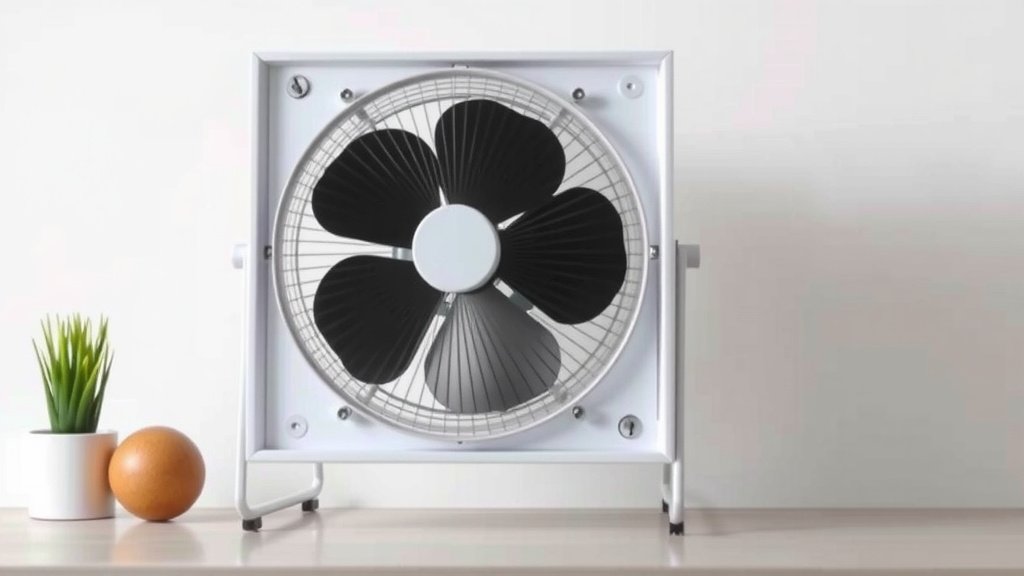
DIY Box Fan Air Purifier: Simple Guide
Yes, you can absolutely make a DIY air purifier using a box fan and an air filter. This is a budget-friendly way to improve your home’s air quality. You’ll be surprised how effective this simple setup can be at capturing dust, pollen, and other airborne particles.
This clever hack is a fantastic solution if you’re looking for a quick and affordable air cleaning option. It’s particularly useful during allergy season or if you’re concerned about indoor air pollution. Many people have found this method to be a real game-changer for their living spaces, offering cleaner air without the hefty price tag of commercial units.
- Easily turn a box fan into an air purifier.
- It’s a cost-effective alternative.
- Captures common allergens like dust and pollen.
- Requires minimal tools and supplies.
- A simple DIY project for cleaner air.
Ready to breathe a little easier? Let’s walk through exactly how to build your own box fan air purifier, step by step.
Transforming Your Box Fan into an Air Purifier
You’re looking to clean up your indoor air, and you’ve heard about the DIY box fan air purifier. It sounds like a smart, budget-friendly hack. You’re wondering if it really works and how to do it. The good news is, yes, this project is totally doable! It’s a fantastic way to catch dust, pollen, and other airborne irritants without spending a fortune. Let’s get this built!
Why Build a DIY Air Purifier?
Commercial air purifiers can be pricey. They often come with ongoing costs for filter replacements too. A box fan setup offers a very affordable alternative. You can often find box fans on sale, and the filters are widely available and reasonably priced. This DIY approach lets you take control of your air quality on a budget. It’s a simple yet effective method many people have adopted.
The Science Behind the Hack
How does this simple setup actually clean the air? It’s all about airflow and filtration. A box fan pulls air through its blades. By attaching an air filter to the back of the fan, you force that air to pass through the filter material. This filter traps particles. Think of it like a sieve for your air. The finer the filter, the smaller the particles it can catch. This process is similar to how commercial air purifiers work, just on a much simpler scale.
What Can It Actually Filter?
Research shows that a well-constructed DIY box fan air purifier can capture a surprising amount of common indoor air pollutants. This includes:
- Dust: Those pesky particles that settle everywhere.
- Pollen: A major trigger for allergy sufferers, especially in certain seasons.
- Pet dander: Tiny skin flakes from your furry friends.
- Mold spores: Often found in damp areas.
- Some bacteria and viruses: Depending on the filter’s MERV rating.
Many guidelines for improving indoor air quality mention HEPA filtration as ideal (CDC). While a standard box fan filter might not be true HEPA, using a high-MERV rated filter gets you very close. It’s a noticeable improvement for many homes.
Gathering Your Supplies
You won’t need a workshop for this project. Most of these items are readily available at hardware stores, big-box retailers, or even online. You’ll want to have everything ready before you start. This makes the assembly process smooth and quick. You can have your cleaner air setup in under an hour!
The Essential Components
Here’s what you’ll need to grab:
- One standard 20-inch box fan: The classic, square kind works best.
- One 20x20x1 inch air filter: This is the most critical part. We’ll discuss filter types next.
- Duct tape or strong packing tape: To secure the filter to the fan.
- Optional: Cardboard or foam board: To create a better seal around the filter edges.
Choosing the Right Air Filter
This is where you can really boost your purifier’s effectiveness. Air filters are rated using MERV (Minimum Efficiency Reporting Value). The higher the MERV rating, the better it is at capturing smaller particles.
For a DIY box fan purifier, we recommend a MERV rating between 11 and 13. This offers a great balance between filtration and airflow. A MERV 13 filter can capture tiny particles like some bacteria and virus carriers (ASHRAE). Higher MERV ratings might restrict airflow too much, making your fan work harder and potentially reducing its lifespan.
Here’s a quick rundown:
| MERV Rating | Particle Size Captured | Common Use |
|---|---|---|
| 1-4 | Large particles (lint, dust mites) | Basic home furnace filters |
| 5-8 | Medium particles (pollen, mold spores) | Standard residential filters |
| 9-12 | Small particles (pet dander, fine dust) | High-efficiency residential filters |
| 13-16 | Very small particles (bacteria, some viruses, smoke) | High-performance filters, good for DIY purifiers |
Many experts suggest MERV 13 as a sweet spot for this type of project. It captures a lot without overly stressing your fan (ASHRAE). Always check the arrow on the filter; it indicates the direction of airflow.
Assembling Your DIY Air Purifier
Ready to put it all together? This part is super simple. You’ll be amazed at how quickly you can transform a regular box fan into an air-cleaning machine. Take your time, and make sure everything is secure.
Step-by-Step Assembly Guide
Follow these easy steps:
- Orient the Fan and Filter: Place your box fan face down on a flat surface. You want to attach the filter to the back side of the fan – the side where the air is being pulled in. Find the airflow arrow on the side of your air filter. Make sure this arrow points towards the fan.
- Attach the Filter: Carefully place the 20x20x1 inch air filter onto the back of the box fan. Try to center it as best you can.
- Seal the Edges: This is a really important step for efficiency. Use your duct tape or packing tape to firmly attach the edges of the filter to the fan housing. You want to create a good seal so that air can’t sneak around the filter. Go all the way around.
- Optional: Enhance the Seal: If you want an even better seal, you can cut strips of cardboard or foam board to fit the gaps between the filter frame and the fan. Tape these in place before applying the main seal. This is especially helpful if your filter and fan aren’t perfectly matched in size.
- Position Your Purifier: Once everything is taped securely, your DIY air purifier is ready to go! Place it in the room you want to clean. For best results, position it away from walls to allow for good air circulation.
Ensuring a Good Seal
Why is sealing so important? Imagine trying to drink through a straw with a hole in it. You won’t get much liquid! The same applies here. If air can bypass the filter through gaps, it won’t get cleaned. A tight seal is key to making this project effective. Double-check all the taped edges. Press them down firmly to ensure no air leaks.
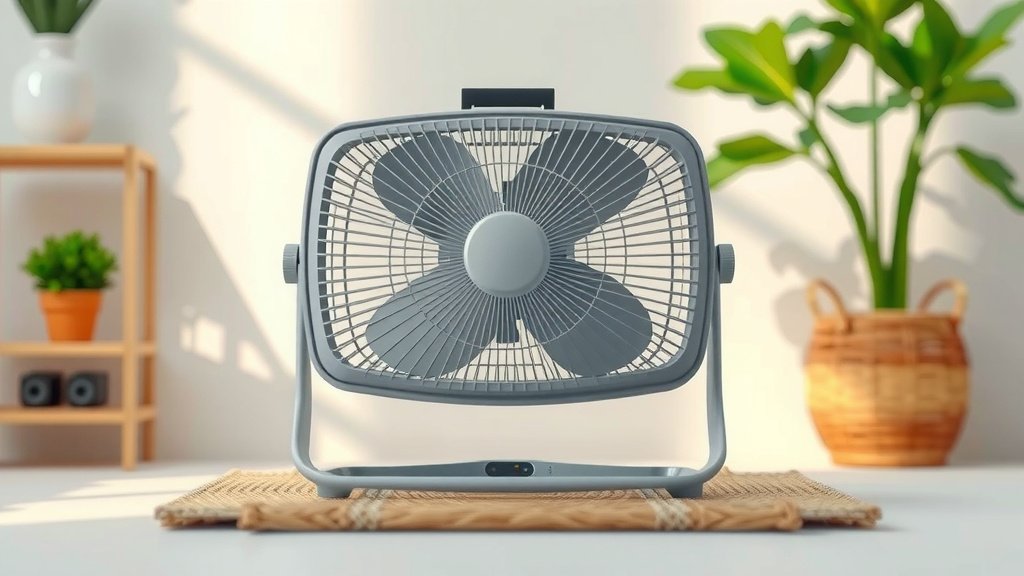
Operating and Maintaining Your Purifier
Now that you’ve built your DIY air purifier, you’ll want to know how to use it best and keep it running smoothly. It’s not complicated at all, but a little care goes a long way.
Where to Place It for Maximum Effect
Think about where you spend the most time. Placing your box fan purifier in the bedroom, living room, or home office can make a big difference. For optimal air cleaning, try to place it in a central location within the room. Keeping it a few feet away from walls and furniture allows air to flow freely around it. This ensures the fan can pull air from all parts of the room.
Filter Replacement Schedule
Just like any filter, your box fan filter will eventually get clogged with all the particles it has captured. How often you need to replace it depends on your air quality and how often you run the fan.
As a general rule, we found that checking it monthly is a good idea. If it looks visibly dirty or dusty, it’s time for a change. Most people find they need to replace the filter every 1-3 months. A dirty filter makes your fan work harder and reduces its ability to clean the air. You’ll likely see a lot of dust, pet hair, and other debris collected on it. Replacing it keeps your air fresh and clean!
Fan Maintenance
While you’re at it, it’s wise to give the fan itself a little TLC. Periodically unplug the fan and gently wipe down the blades and grill with a damp cloth. This removes any dust buildup that might not have been caught by the filter. This simple step helps keep your fan running efficiently and quietly.
Quick Checklist for Your Build
Here’s a handy checklist to make sure you’ve got everything covered:
- Box fan is 20-inch standard size.
- Air filter is 20x20x1 inch, MERV 11-13.
- Filter airflow arrow points towards the fan.
- Edges are securely taped for a tight seal.
- Fan is placed in a good, open location.
- Know your filter replacement schedule (monthly check!).
You’ve successfully turned a simple box fan into an effective air purifier. Enjoy breathing cleaner air!
Conclusion
You’ve now learned how simple it is to transform a common box fan into an effective air purifier. This DIY project is a smart, budget-friendly solution for improving your home’s air quality by capturing dust, pollen, and other airborne irritants. By following the steps and choosing the right filter, you can enjoy cleaner air without the high cost of commercial units. Remember to check and replace your filter regularly to keep your purifier working at its best. Go ahead and build yours today – your lungs will thank you!
Frequently Asked Questions
Can a box fan air purifier really make a difference?
Yes, research suggests that a well-built DIY box fan air purifier can significantly improve indoor air quality. By forcing air through a MERV 11-13 filter, it effectively captures common particles like dust, pollen, and pet dander.
How often should I replace the air filter on my DIY purifier?
You should inspect your filter monthly and replace it every 1 to 3 months, depending on your environment and how often you run the fan. A visibly dirty filter needs immediate replacement to maintain efficiency.
Will a box fan air purifier be as good as a store-bought HEPA filter?
While it won’t be a true HEPA filter, a high-MERV rated filter (like MERV 13) on your box fan can capture many of the same small particles. It offers a very comparable level of filtration for most common household allergens.
Is it safe to leave a DIY box fan air purifier running all the time?
As long as your fan is in good working condition and properly assembled, it’s generally safe to run. Keep it away from flammable materials and ensure good airflow around the unit for optimal and safe operation.
What happens if I don’t get a good seal around the filter?
If the seal isn’t tight, air will bypass the filter, reducing its effectiveness. This means less dust and allergens will be captured, and your fan won’t be cleaning the air as well as it could.