AC as Air Purifier: How to Use Your Air Conditioner
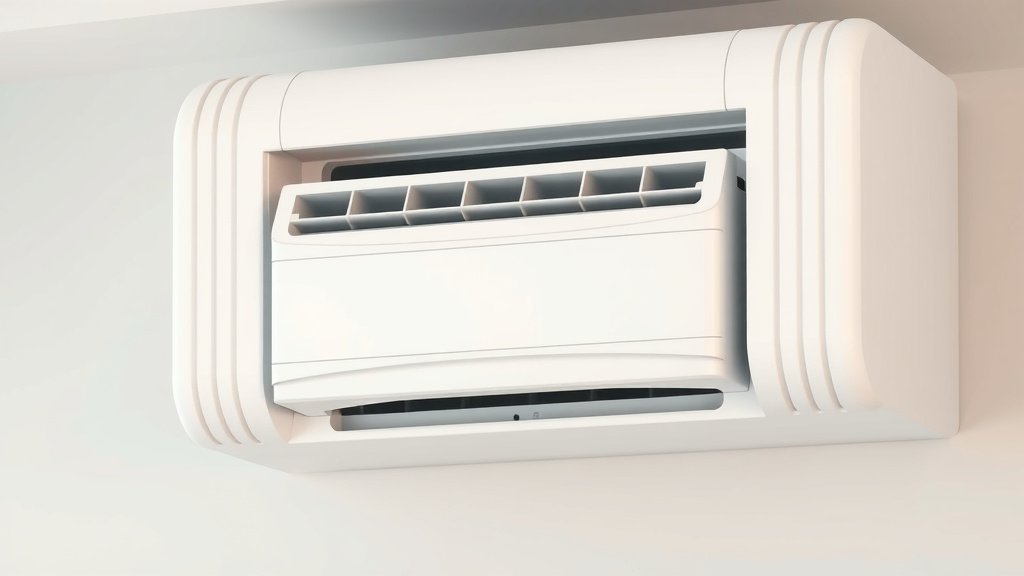
Yes, you can use your air conditioner (AC) as an air purifier to improve your indoor air quality. Many AC units come equipped with basic filtration systems that capture dust and larger particles. By using a high-quality filter and ensuring proper maintenance, your AC can help clean the air you breathe.
While not a dedicated air purifier, your AC system plays a role in air circulation and filtration. Regularly cleaning or replacing your AC filters is key. This simple step can make a surprising difference in removing common airborne irritants like pollen and pet dander from your home.
- Upgrade your AC filter for better purification.
- Clean or replace filters regularly.
- Ensure your AC unit is properly maintained.
- Understand the limitations of AC air purification.
Let’s dive into how you can make your AC work a little harder as an air purifier for your home.
Making Your Air Conditioner an Air Purifier
You might be wondering, “Can my air conditioner really help clean my air?” The answer is yes, to a certain extent. Your AC unit is designed to circulate air throughout your home. As it does this, its built-in filter traps some airborne particles. This means your AC is already performing a basic air purification function without you even trying!
Think of it like a sieve. Your AC’s filter is catching bigger things like dust bunnies and pet hair. It’s not a HEPA filter that catches microscopic particles. But it’s a start, and you can boost its cleaning power. We’ll show you how to get the most out of your AC’s purification capabilities.
Understanding Your AC’s Filtration System
Every air conditioner has a filter. Its primary job is to protect the AC’s internal components from dust and debris. If dust clogs up your AC’s coils, it can’t cool your home effectively. This protection is a side benefit for your air quality. It prevents a lot of dust from being blown back into your rooms.
How AC Filters Work
AC filters are typically made of fiberglass, pleated paper, or electrostatic material. They are rated using a MERV (Minimum Efficiency Reporting Value) scale. This scale goes from 1 to 16. A higher MERV rating means the filter is better at trapping smaller particles.
- Low MERV (1-4): Catches large particles like lint and carpet fibers.
- Medium MERV (5-8): Captures smaller particles like dust mites and mold spores.
- High MERV (9-16): Traps even smaller irritants like pollen and pet dander.
The Limits of Standard AC Filters
Most standard AC filters have a low MERV rating. They are great for protecting your AC. However, they aren’t designed for serious air purification. They miss many common allergens and pollutants. Tiny particles like bacteria, viruses, and smoke can easily pass through. So, while your AC helps, it’s not a substitute for a dedicated air purifier if you have severe allergies or respiratory issues.
Boosting Your AC’s Air Cleaning Power
The simplest and most effective way to improve your AC’s air purification is by upgrading its filter. This is where you can make a real difference. A better filter means better air for you and your family.
Choosing a High-MERV Filter
When you buy a new filter, look for a higher MERV rating. MERV 11 or 13 filters are excellent choices for most homes. They can capture much smaller particles than standard filters. These include pollen, mold spores, and pet dander. This can significantly reduce common allergens in your home’s air.
When selecting a filter, always check your AC unit’s manual. Some systems cannot handle high-MERV filters. They might restrict airflow too much. This can strain your AC’s motor. Most modern AC units can accommodate MERV 11 or 13 filters without issues.
What to Look for in a Filter
Consider pleated filters. They offer more surface area for trapping particles. They also last longer than basic fiberglass filters. Electrostatic filters are another good option. They use static electricity to attract and hold dust. Many experts say these offer a good balance of performance and airflow.
You’ll find filters at hardware stores and online. Prices vary, but a good MERV 11 or 13 filter usually costs between $15 and $30. Think of it as an investment in your home’s air quality.
Regular Maintenance is Key
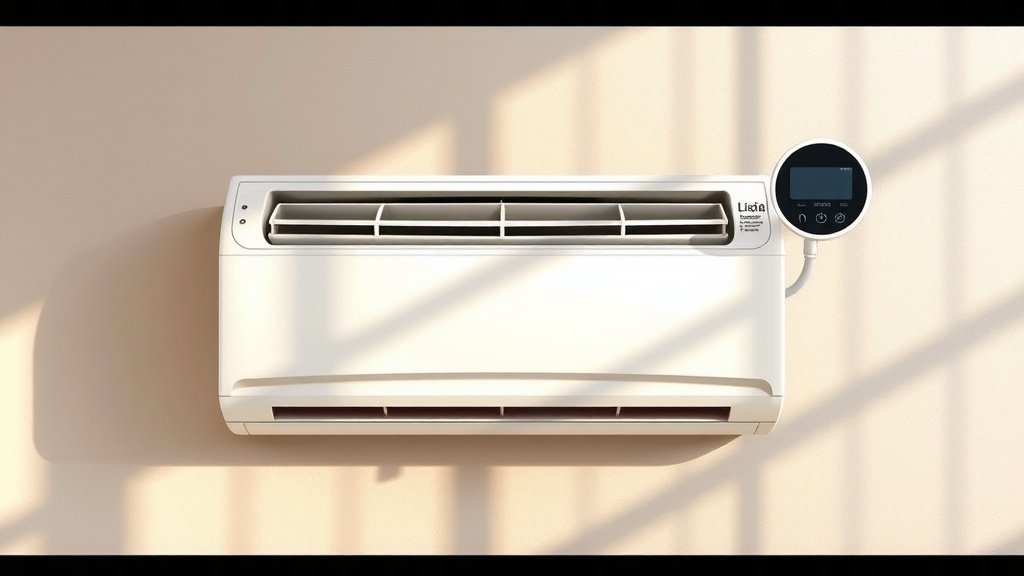
Even the best filter won’t work if it’s clogged. Dirty filters are a major problem. They don’t trap new particles effectively. They can also reduce airflow and make your AC work harder. This means higher energy bills and potential damage to your unit.
How Often Should You Change Your Filter?
Most manufacturers recommend changing your AC filter every 1-3 months. This can vary based on your filter type and home environment. If you have pets, allergies, or live in a dusty area, you may need to change it more often. Some people find that checking their filter monthly is a good habit. You can then decide if it needs replacement or just a quick clean.
We found that setting a calendar reminder is helpful. Many people forget to check their filters. A simple reminder can prevent a dirty filter from lingering for too long. Your wallet and your lungs will thank you!
Cleaning vs. Replacing Filters
Some filters are washable. These are often made of thicker, reusable material. Always check the filter packaging. It will tell you if it’s washable and how to clean it. Generally, you rinse it under cool water and let it air dry completely before reinstalling. Never put a wet filter back into your AC.
Disposable filters, like most pleated paper ones, should be replaced. Trying to wash them can damage the material. This makes them less effective. For most homes, disposable filters are easier and more effective.
Beyond the Filter: Other AC Maintenance Tips
A clean filter is essential, but it’s not the only factor. Keeping your entire AC system in good shape helps it run efficiently and purify air better.
Keep Vents Clear and Clean
Make sure the air vents in your home are not blocked by furniture or curtains. This ensures good airflow. You can also vacuum your air vents regularly. This removes dust build-up before it gets circulated.
Schedule Professional Tune-Ups
We found that annual professional maintenance is highly recommended. A technician will clean your AC’s coils and check for any issues. Clean coils mean better heat transfer and improved air circulation. This makes your AC more efficient and helps it push cleaner air through the filter.
| Task | Frequency | Notes |
|---|---|---|
| Check AC Filter | Monthly | Look for visible dirt and debris. |
| Replace Disposable Filter | Every 1-3 Months | Or sooner if visibly dirty. |
| Wash Reusable Filter | Monthly (or as needed) | Ensure it’s completely dry before reinstallation. |
| Clear Air Vents | As needed | Keep furniture and objects away from vents. |
| Vacuum Vents | Every 2-3 Months | Remove accumulated dust. |
| Schedule Professional Service | Annually | For a thorough cleaning and system check. |
Conclusion
You’ve learned how your air conditioner can do more than just cool your home. By upgrading your filter to a higher MERV rating, you can significantly improve its air-purifying capabilities. Remember that regular filter changes and general AC maintenance are essential. These steps ensure your system runs efficiently and provides cleaner air. Don’t forget to keep your vents clear and consider professional tune-ups. Ready to breathe easier? Your next step is to check your current AC filter and schedule its replacement or cleaning.
Frequently Asked Questions
Can I use any air filter in my AC unit?
No, you should not use just any air filter. Always check your AC unit’s manual to ensure compatibility. Using a filter with too high a MERV rating can restrict airflow. This could potentially strain your AC’s motor and reduce its efficiency.
How often should I actually check my AC filter?
We found that checking your AC filter monthly is a good habit. This allows you to assess its condition. If you have pets, allergies, or live in a dusty area, you might need to check it even more frequently.
What is a HEPA filter and can my AC use one?
A HEPA filter is a high-efficiency particulate air filter designed to capture 99.97% of particles. Most standard AC units are not designed to accommodate a true HEPA filter. Their systems cannot handle the required airflow resistance.
Will running my AC fan constantly help purify the air?
Running your AC fan continuously circulates air through the filter more often. This can help remove more particles over time. However, it will increase your energy consumption, so weigh the benefits against the cost.
Are there specific AC brands known for better air purification?
While many brands offer basic filtration, there isn’t a specific brand universally known as the “best” for air purification alone. The effectiveness largely depends on the filter you use and the overall maintenance of the unit, regardless of brand.
![5 Best Air Purifier for Office Space [In 2026]](https://homeunderstandable.com/wp-content/uploads/2025/05/best-air-purifier-for-office-space-enhance-air-quality-effortlessly-768x384.jpg)