Activated Charcoal for Air Purification: A Simple Guide
Yes, you can absolutely use activated charcoal to help purify your air! Activated charcoal works by adsorbing odors and impurities. This makes it a natural and effective way to freshen up your home.
Many people are looking for simple ways to improve their indoor air quality. Activated charcoal offers a cost-effective solution for reducing common household smells. You can find it in many forms, making it easy to place where you need it most.
- Activated charcoal traps odors and pollutants.
- It’s a natural and safe air purifier.
- You can place it in bags or containers.
- It works well in areas with persistent smells.
- It’s an easy, low-maintenance option.
Let’s walk through exactly how you can start using activated charcoal to make your air feel cleaner and fresher.
Harnessing Activated Charcoal for Fresher Indoor Air
You might be wondering just how this common ingredient can help clean the air in your home. Activated charcoal works like a super-powered sponge. It has millions of tiny pores that trap airborne particles. These particles can include odors, allergens, and even some volatile organic compounds (VOCs).
The Science Behind the Sponge Effect
Think of activated charcoal’s surface as having countless tiny little nooks and crannies. These pores give it an incredibly large surface area. We’re talking about hundreds, even thousands, of square meters per gram! When air passes over this surface, impurities stick to it. This process is called adsorption. It’s different from absorption, where something soaks into a material. Adsorption is more like things sticking to the outside. Many studies confirm its ability to adsorb various pollutants (NCBI).
What Kinds of Pollutants Can It Trap?
Activated charcoal is particularly good at capturing molecules responsible for smells. This includes common household odors from cooking, pets, and even smoke. It can also help reduce formaldehyde and benzene, which are often found in cleaning products and furniture. While it won’t filter out microscopic particles like a HEPA filter, it’s a fantastic addition for odor control.
Different Ways to Use Activated Charcoal for Air Purification
You have several easy options for using activated charcoal to clean your air. The most common and convenient forms come in breathable bags or containers. These are designed to sit discreetly in areas where you want to improve air quality.
Charcoal Bags: Your Go-To Odor Absorber
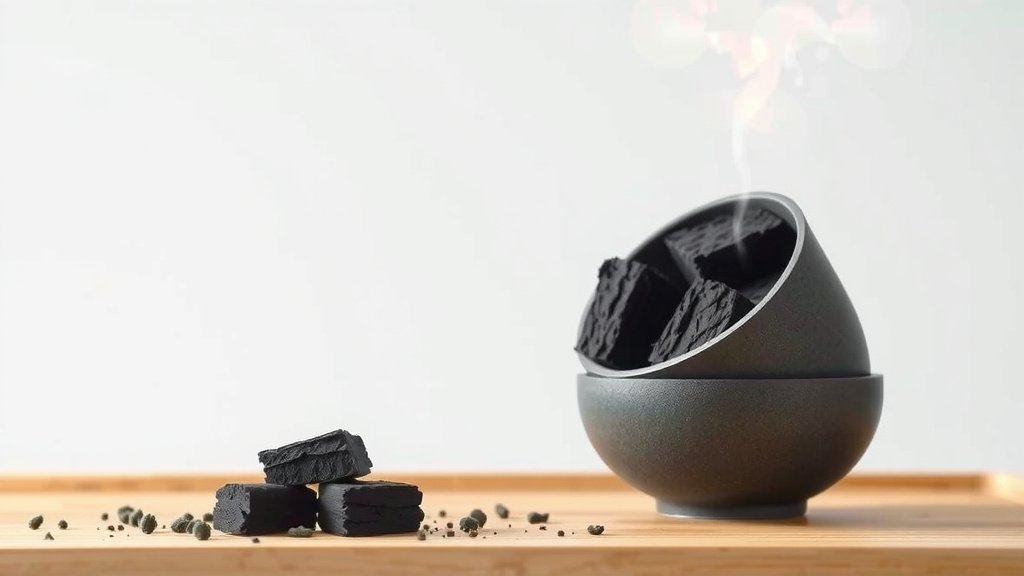
Activated charcoal bags are probably the easiest way to start. They are usually filled with granulated activated charcoal and encased in a fabric material. This material allows air to circulate through the charcoal while keeping it contained. You can place these bags in closets, bathrooms, kitchens, cars, or even near pet areas. We found that placing a bag in a musty closet made a noticeable difference within a few days. They are often rechargeable too, which we’ll discuss later.
Containers and Jars for Targeted Purification
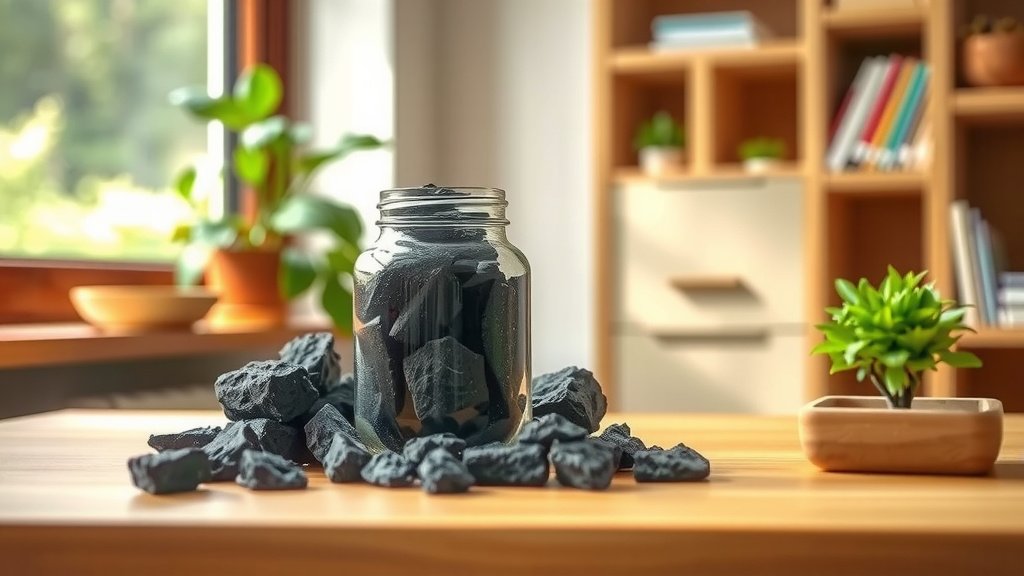
If you prefer a more decorative option, you can find activated charcoal in small containers or jars. These often have a mesh or perforated lid. They work on the same principle as the bags. You simply place them in a room. They are great for smaller spaces like bedrooms or home offices. Some people even put activated charcoal in small decorative bowls. Just ensure the charcoal isn’t easily accessible to children or pets.
Where to Place Your Activated Charcoal Purifiers
The effectiveness of activated charcoal depends on airflow. You want to place it where air can easily reach it. Think about the areas in your home that tend to trap odors or feel stuffy. These are prime spots for your charcoal purifiers.
Targeting Problem Areas
Your kitchen is often a hub for cooking smells. Placing a charcoal bag or container near the trash can or sink can help combat lingering food odors. Bathrooms are another common area where odors can be persistent. A small charcoal bag can make a big difference. If you have pets, a charcoal purifier near their bedding or litter box can help neutralize those distinct pet smells.
Improving General Room Freshness
Even if you don’t have a specific odor problem, activated charcoal can help improve the overall air quality in a room. Place a bag in your living room or bedroom to help absorb general household odors and create a fresher atmosphere. Many experts suggest good ventilation is key, and activated charcoal complements this by trapping what ventilation might miss (CDC).
Recharging Your Activated Charcoal: Making it Last Longer
One of the best features of activated charcoal is that it’s often rechargeable. This makes it a very eco-friendly and cost-effective choice. When the charcoal becomes saturated with odors and impurities, you can often reactivate it.
How to Recharge the Charcoal
Most activated charcoal products can be recharged by placing them in direct sunlight. Typically, you’ll need to leave them out for several hours, perhaps 4-6 hours, on a sunny day. The UV rays from the sun help break down the trapped impurities. After a good sunbath, the charcoal is ready to absorb odors again. Always check the manufacturer’s instructions for your specific product, as some may have slightly different recommendations. We found that a bright, sunny windowsill works perfectly for this. It’s a simple step that extends the life of your purifiers considerably.
Comparing Activated Charcoal to Other Air Purifiers
It’s helpful to understand where activated charcoal fits in the world of air purification. It excels at odor removal. It’s not a replacement for high-efficiency particulate air (HEPA) filters. HEPA filters are designed to capture tiny particles like dust mites, pollen, and mold spores. Activated charcoal focuses more on the molecules that cause smells. It’s helpful to understand where activated charcoal fits in the world of air purification; our guide to selecting an air purifier explains HEPA filters.
| Feature | Activated Charcoal | HEPA Filter |
|---|---|---|
| Primary Function | Odor and VOC adsorption | Particle filtration (dust, pollen, mold) |
| Mechanism | Adsorption onto porous surface | Physical trapping of particles |
| Rechargeable | Yes, typically with sunlight | No, requires replacement |
| Best For | Reducing smells, freshening air | Allergy relief, removing airborne particulates |
A Simple Checklist for Using Activated Charcoal
Ready to give it a try? Here’s a quick rundown to get you started:
- Choose your product: Select charcoal bags or containers based on your needs.
- Identify placement areas: Pick spots prone to odors or stuffiness.
- Position for airflow: Ensure air can easily circulate around the charcoal.
- Monitor effectiveness: Notice any improvements in air freshness.
- Remember to recharge: Place bags in sunlight periodically to reactivate them.
Conclusion
You’ve learned that activated charcoal is a simple, natural way to refresh your home’s air. Its unique porous structure effectively traps odors and common household pollutants. By using charcoal bags or containers in key areas, you can make a noticeable difference in air freshness. Remember that recharging your charcoal in sunlight makes it a reusable and eco-friendly option. Ready to try it? Your next step is to choose a charcoal product and place it in a room where you’d like to improve the air quality.
Frequently Asked Questions
How often do I need to recharge my activated charcoal?
You should aim to recharge your activated charcoal every 1-3 months, depending on the humidity and odor levels in your home. A good indicator is when you notice smells returning or the charcoal no longer seems as effective. Simply place the bags or containers in direct sunlight for 4-6 hours on a sunny day.
Can activated charcoal replace my HEPA air filter?
No, activated charcoal is not a replacement for a HEPA filter. HEPA filters are designed to capture tiny airborne particles like allergens and dust. Activated charcoal excels at adsorbing odor-causing molecules and some VOCs. They work best together as a dual approach to cleaner air.
Is activated charcoal safe to use around pets and children?
Generally, activated charcoal products are safe when used as directed. However, it’s best to place them where curious pets or children cannot easily access or ingest them. Ensure the charcoal is contained within its bag or a secure container to prevent accidental consumption.
How long does activated charcoal last before I need to replace it?
When properly recharged, activated charcoal products can last for a very long time, often up to two years or more. The charcoal itself doesn’t degrade; it just becomes saturated. If you find recharging no longer restores its effectiveness after extensive use, it’s time for a new product.
Can activated charcoal help with serious air quality issues like mold or smoke damage?
Activated charcoal can help reduce lingering smoke odors and may absorb some airborne mold spores, but it’s not a primary solution for severe issues. For significant mold growth or heavy smoke damage, you’ll likely need professional cleaning services and more robust air purification systems like HEPA filters. Charcoal is best for everyday freshening.

![5 Best Home Air Purifier for Pet Odor [In 2026]](https://homeunderstandable.com/wp-content/uploads/2025/05/best-home-air-purifier-for-pet-odor-top-picks-for-fresh-air-768x512.jpg)