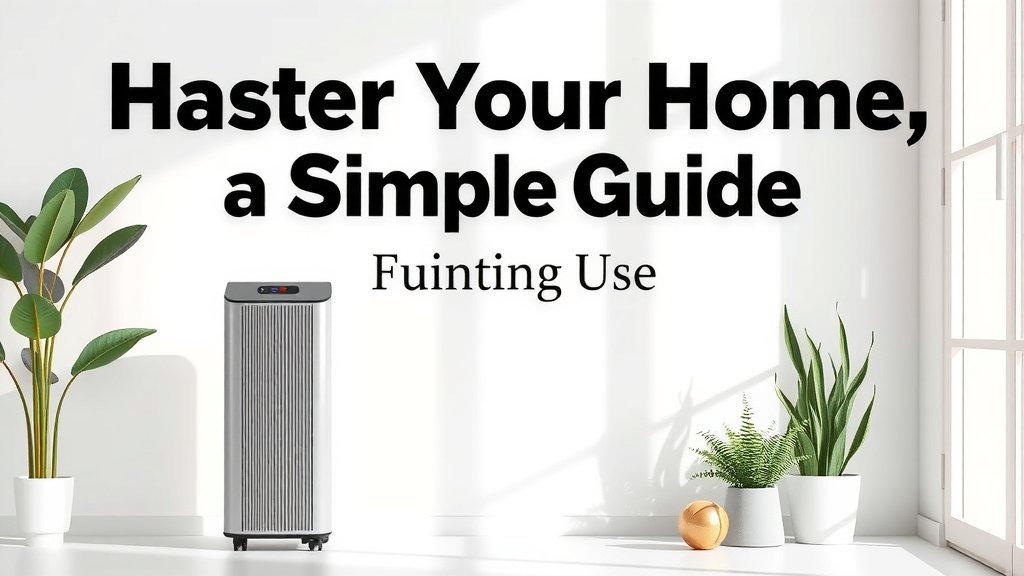
Master Your Home Air Purifier: A Simple Guide
To use an air purifier at home effectively, you should place it in the room where you spend the most time and keep it running continuously. For best results, position your air purifier at least a few feet away from walls and furniture to ensure proper air circulation. Making sure it’s in a central location helps it clean the air throughout the entire space.
Air purifiers work by drawing in air, filtering out pollutants like dust, pollen, pet dander, and smoke, and then releasing cleaner air back into your home. Many experts say this can significantly improve indoor air quality, which is especially helpful for those with allergies or asthma. Choosing the right size and type of filter for your needs is also a key step.
- Placement matters: Put it in your busiest rooms.
- Keep it running: Continuous operation is best.
- Allow airflow: Keep it away from obstructions.
- Filter type is key: Match it to your air issues.
Let’s get your air purifier working its best for a fresher, cleaner home. We’ll cover the simple steps to ensure you’re getting the most out of your device.
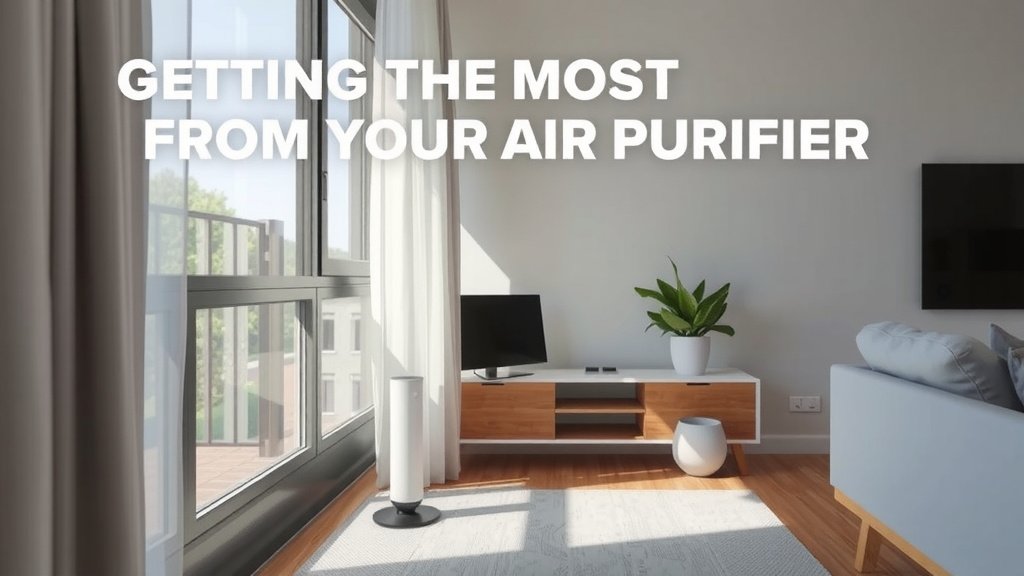
Getting the Most from Your Air Purifier
Using an air purifier correctly can make a big difference in your home’s air quality. We’ll walk you through the simple steps to ensure your device is working its hardest for you. It’s not just about plugging it in; a few key actions can really boost its performance.
Strategic Placement for Peak Performance
Where you put your air purifier is more important than you might think. Think of it like a fan; it needs room to breathe. Placing it in a spot with good airflow helps it do its job efficiently.
Choosing the Right Room
You’ll get the best results if you place your air purifier in the room where you spend the most time. This is often the bedroom or living room. If allergies or asthma are a concern, putting it in your bedroom is a great idea. Many experts suggest this can help you sleep better by reducing allergens in the air (Cleveland Clinic).
Creating Space for Airflow
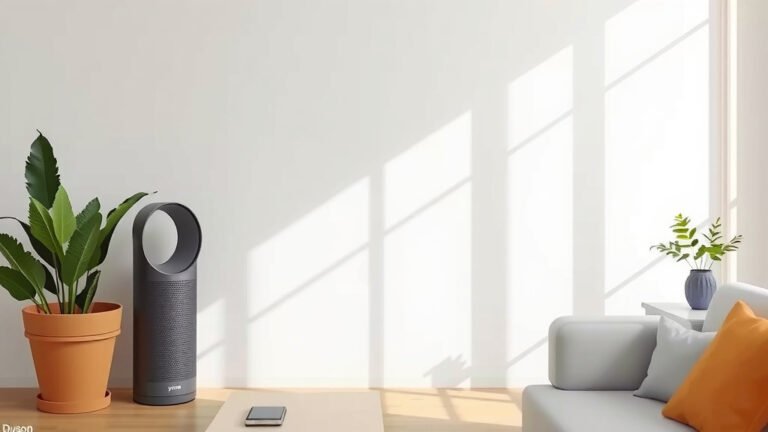
Air needs to circulate freely around your air purifier. This means keeping it away from walls, furniture, and curtains. A good rule of thumb is to leave at least 2 to 3 feet of clear space around the unit. This allows the air intake and outflow to work without being blocked. Imagine trying to breathe through a pillow – not very effective, right? Your air purifier needs that same freedom.
Central Locations Are Often Best
For larger spaces, a central location can help the air purifier clean the air throughout the entire room. If you have an open-concept living area, placing it in the middle can be more effective than tucking it into a corner. Some models are designed for specific room sizes, so check your manual for recommendations.
Understanding Air Purifier Filters and Maintenance
The filter is the heart of your air purifier. Keeping it clean and knowing what type you have is essential for it to function properly. Different filters tackle different pollutants.
Types of Air Purifier Filters
Most air purifiers use a combination of filters. Here’s a quick look at common types:
- Pre-filters: These catch larger particles like pet hair and dust bunnies. They help protect the main filters.
- HEPA filters: High-Efficiency Particulate Air (HEPA) filters are the stars. They are designed to capture 99.97% of airborne particles as small as 0.3 microns. This includes pollen, mold spores, and dust mites.
- Activated Carbon filters: These are great for odors and VOCs (Volatile Organic Compounds). Think smoke, cooking smells, or fumes from cleaning products.
Filter Lifespan and Replacement
Filters don’t last forever. Their lifespan depends on the type of filter, how often you use the purifier, and the air quality in your home. A dirty filter can actually make your air quality worse. Filters don’t last forever, and knowing their filter life helps ensure your air purifier keeps cleaning your air effectively.
You can often find information about filter life in your air purifier’s manual. Some units even have indicator lights to let you know when it’s time for a change. As a general guideline, HEPA filters might need replacing every 6 to 12 months, and carbon filters every 3 to 6 months. Keep an eye on them!
Cleaning Your Air Purifier
Regular cleaning is also important. You should dust the exterior of your air purifier regularly. Some pre-filters can be washed or vacuumed. Always refer to your manufacturer’s instructions before attempting any cleaning. Using a vacuum cleaner with a brush attachment can be helpful for dusting the intake vents.
Optimizing Your Air Purifier’s Operation
Once your air purifier is in place and you understand its filters, there are a few more tips to get the best performance.
Continuous Operation for Best Results
For the cleanest air, it’s best to run your air purifier continuously. Turning it on and off frequently means the air might not get fully cleaned. Air purifiers work best when they can steadily process the air in a room. Think of it like a water filter; it works best when water is constantly flowing through it.
If energy use is a concern, many modern air purifiers have energy-saving modes. You can also run them on lower fan speeds when you’re not in the room. We found that even a lower setting is more effective than turning it off completely (Energy Star).
Fan Speed Settings
Most air purifiers have multiple fan speed settings. Higher speeds clean the air faster but can be louder. Lower speeds are quieter and use less energy. If you have pets or notice a lot of dust, you might want to use a higher setting more often. For general use, a medium setting is often a good balance.
Using Smart Features (If Available)
Does your air purifier have smart features? Many newer models connect to Wi-Fi and can be controlled via an app. These apps often provide information about your home’s air quality, filter life, and allow you to schedule operation. Using these features can help you stay on top of maintenance and optimize performance without constant manual adjustments.
A Quick Checklist for Air Purifier Success
Here’s a quick rundown to make sure you’re using your air purifier like a pro:
- Choose the right room – usually where you spend the most time.
- Allow space – keep it at least 2-3 feet from walls.
- Run it continuously – for consistent air cleaning.
- Check your filter – know its type and when to replace it.
- Dust the unit – keep the exterior clean.
- Consult your manual – always follow manufacturer advice.
Conclusion
You’re now equipped to use your air purifier for cleaner indoor air. Remember that strategic placement and continuous operation are key. Keeping your unit clear of obstructions and understanding your filter types ensures maximum efficiency. Regularly checking and replacing filters, as well as dusting the exterior, will keep your purifier working at its best. Start by placing your purifier in your most-used room and ensuring it has room to breathe. This simple start will make a noticeable difference in your home’s air quality.
Frequently Asked Questions
Can I turn my air purifier off at night?
While you can turn your air purifier off at night, running it continuously provides the best air quality. Many modern purifiers are energy-efficient and quiet enough for overnight use. If you’re concerned about noise or energy, consider using a lower fan setting or a timer function.
How often should I replace the HEPA filter in my air purifier?
HEPA filter replacement typically ranges from 6 to 12 months. This can vary based on usage, air quality, and the specific model. Many units have indicator lights to alert you when a filter change is needed, but it’s wise to check your manual for exact recommendations.
Will an air purifier help with pet odors?
Yes, an air purifier with an activated carbon filter can effectively help reduce pet odors. The carbon filter absorbs odor molecules from the air, leaving your home smelling fresher. Pre-filters also help capture pet dander and hair, contributing to a cleaner environment.
Is it okay to place my air purifier in a corner?
Placing your air purifier in a corner might not be ideal if it blocks airflow. For optimal performance, you should keep the unit at least 2 to 3 feet away from walls and furniture. This allows air to circulate freely around the device for more efficient cleaning.
How do I know if my air purifier is working effectively?
You’ll likely notice a reduction in dust and odors, and potentially fewer allergy symptoms. Many purifiers also have indicator lights or app connectivity that can show real-time air quality. If you notice it running constantly without improving air quality, it might be time to check the filter or consider a larger unit. You’ll likely notice a reduction in dust and odors, and potentially fewer allergy symptoms if your air purifier is working.