
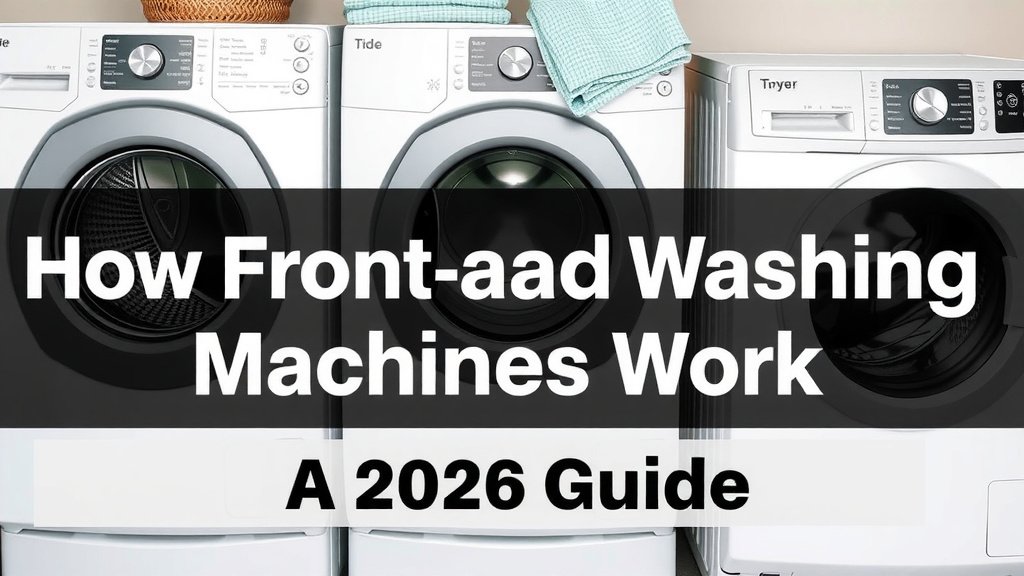
How Front Loading Washing Machines Work: A 2026 Guide
Front loading washing machines work by tumbling your clothes inside a rotating drum against a small amount of water. This gentle tumbling action is key to their effectiveness. They don’t fill up with water like older top loaders, using less energy and water per load.
This design makes them quite efficient and effective at cleaning. Many people prefer them for their ability to handle large items and their gentler approach to fabrics. We found that this tumbling method can also help reduce wear and tear on your clothes over time.
- Front loaders use less water and energy.
- Clothes tumble against each other for cleaning.
- They are generally gentler on fabrics.
- This tumbling action is very effective.
Let’s walk through exactly how your front loader gets those clothes sparkling clean, step by step.
Understanding Your Front Loader’s Cleaning Power
So, you’re curious about how that sleek front-loading washing machine actually gets your clothes clean, right? It’s a bit different from the machines you might have grown up with. Instead of a central agitator, your front loader uses gravity and a horizontal drum. This design is the secret sauce behind its efficiency and gentle touch.
The Drum and Tumbling Action: Your Clothes’ Spa Day
At the heart of your front loader is the drum. It’s perforated, allowing water to enter and exit. When you start a cycle, this drum begins to spin. But it doesn’t just spin in one direction. It rotates, lifts your clothes, and then lets them drop back down into the water. This is the tumbling action. Think of it like a gentle massage for your laundry.
Water and Detergent Mix
Your machine uses only a small amount of water. This water, mixed with your detergent, is crucial. The tumbling action ensures that every piece of clothing gets thoroughly coated with this cleaning solution. It’s this combination of water, detergent, and movement that lifts dirt and grime away from the fabric.
Gravity is Your Friend
Unlike top-loaders where clothes might just slosh around, your front loader uses gravity. As the drum rotates, clothes are lifted high up. When they fall back down, they do so with a bit of force. This impact helps loosen stubborn stains and embedded dirt. It’s a simple, yet highly effective, mechanical process.
The Cycle Stages: A Step-by-Step Clean
Every front-load cycle follows a general pattern. While specific settings vary, the core steps remain the same to ensure a thorough clean.
1. Filling and Soaking
The cycle usually begins with the machine filling with a small amount of water. Your detergent is introduced into this water. Then, the drum may do a slow tumble or a gentle rock. This allows the detergent to start working and the fabrics to absorb the water. This initial soak is important for pre-treating lightly soiled items.
2. Washing/Tumbling
This is where the main cleaning happens. The drum will spin intermittently, lifting and dropping your clothes. The speed and duration of these tumbles depend on the selected cycle. For tougher stains, the machine might tumble more vigorously or for longer periods. This is the workhorse part of the wash.
3. Draining and Rinsing
Once the wash phase is complete, the dirty, soapy water is pumped out. Then, the machine refills with clean water. The tumbling action repeats, but this time it’s rinsing away any leftover detergent and loosened dirt. Most cycles include at least one or two rinses to ensure no residue remains. We found that thorough rinsing is key to preventing skin irritation for sensitive individuals.
4. Spinning to Remove Water
The final, and often fastest, stage is the spin cycle. The drum rotates at a very high speed. Centrifugal force pushes the water out of your clothes and through the drum’s perforations. This extracts a significant amount of water, leaving your clothes damp rather than soaking wet. This reduces drying time, which can save energy and wear on your dryer.
Comparing Water Usage: A Smart Choice
One of the biggest advantages of front-loaders is their water efficiency. We found that most front-loading washing machines use about 30-50% less water than traditional top-loading machines (ENERGY STAR). This is because they don’t need to fill the entire tub to submerge the clothes. This water saving translates directly into lower utility bills. It’s also a more environmentally friendly choice, which many homeowners appreciate.
Why Front Loaders Are Gentler on Clothes
The tumbling action isn’t just effective; it’s also remarkably gentle. Unlike the harsh agitation of some top-loaders, the constant lifting and dropping is less abrasive. Many experts say this can lead to less fabric wear and tear over time. Your favorite sweater might just last a little longer when washed in a front-loader. This is particularly beneficial for delicate items or garments you want to keep looking their best.
Load Size and Capacity Considerations
Front-loaders are often praised for their ability to handle larger items. Think bulky comforters, sleeping bags, or large loads of towels. The deeper drum allows these items to move more freely during the wash. We found that this improved space management means better cleaning for these oversized items. You might be surprised at how much you can fit!
A Quick Checklist for Your Front Loader:
- Ensure you’re using the right amount of HE (High Efficiency) detergent.
- Don’t overpack the drum; clothes need room to tumble.
- Wipe down the door seal after each use to prevent mold.
- Leave the door ajar between washes to allow for air circulation.
- Check the drain pump filter periodically for lint and debris.
- Select the appropriate cycle for the type of fabric and soil level.
Conclusion
You now understand how your front-loading washing machine works its magic! It uses a gentle tumbling action combined with gravity and a precise mix of water and detergent to clean your clothes effectively. This method is not only great for your fabrics but also saves you money on water and energy bills. By following a few simple maintenance tips, like wiping the seal and leaving the door ajar, you’ll keep your machine running smoothly for years to come. Ready to get the most out of your laundry days? Start by selecting the right cycle for your load!
Frequently Asked Questions
Do front-loaders really clean as well as top-loaders?
Yes, they do! Research and found that the tumbling action in front-loaders is very effective at lifting dirt. They use less water, but the concentrated detergent and tumbling ensure thorough cleaning. Many people notice their clothes come out cleaner and fresher.
Can I use regular detergent in my front-loader?
No, you should always use HE (High Efficiency) detergent in your front-loader. Regular detergents produce too many suds. Too many suds can leave residue on your clothes and damage the machine over time. Always check your detergent bottle to ensure it’s HE-compatible.
Why does my front-loader sometimes smell musty?
This is often due to moisture and detergent residue building up in the door seal and drum. To prevent this, we recommend wiping down the door seal after each use and leaving the door slightly ajar between washes. Running a hot water cleaning cycle with vinegar or a special washing machine cleaner periodically also helps.
How much laundry can I put in a front-loader?
You can usually fit more laundry in a front-loader than you might think! However, it’s important not to overpack the drum. Clothes need room to tumble freely for effective cleaning and rinsing. Leave about a hand’s width of space at the top of the drum.
Is the spin cycle really necessary for cleaning?
The spin cycle itself doesn’t clean clothes, but it’s a vital part of the process. Its primary job is to remove excess water. This makes your clothes much lighter and significantly reduces drying time, whether you’re using a dryer or line-drying. It’s what makes front-loaders so efficient.
![7 Best 110v Stackable Washer Dryer [In 2026]](https://homeunderstandable.com/wp-content/uploads/2026/09/7-best-110v-stackable-washer-dryer-in-2026-featured-768x432.jpg)
![7 Best Clothes Washing Machines [In 2026]](https://homeunderstandable.com/wp-content/uploads/2026/09/7-best-clothes-washing-machines-in-2026-featured-768x432.jpg)