High Efficiency Top Load Washers: How They Work Explained
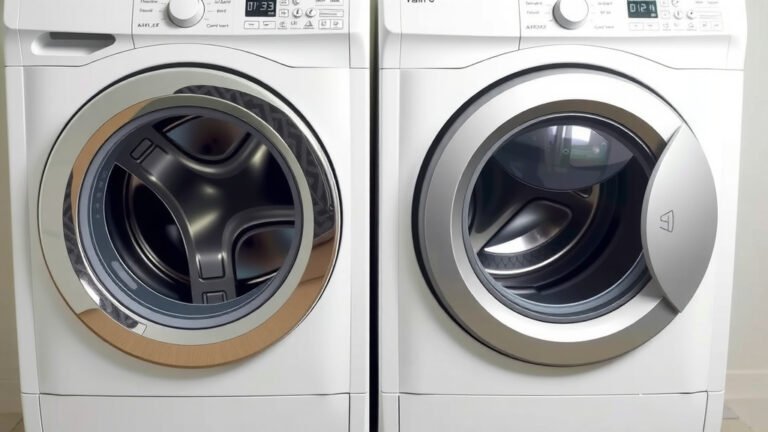
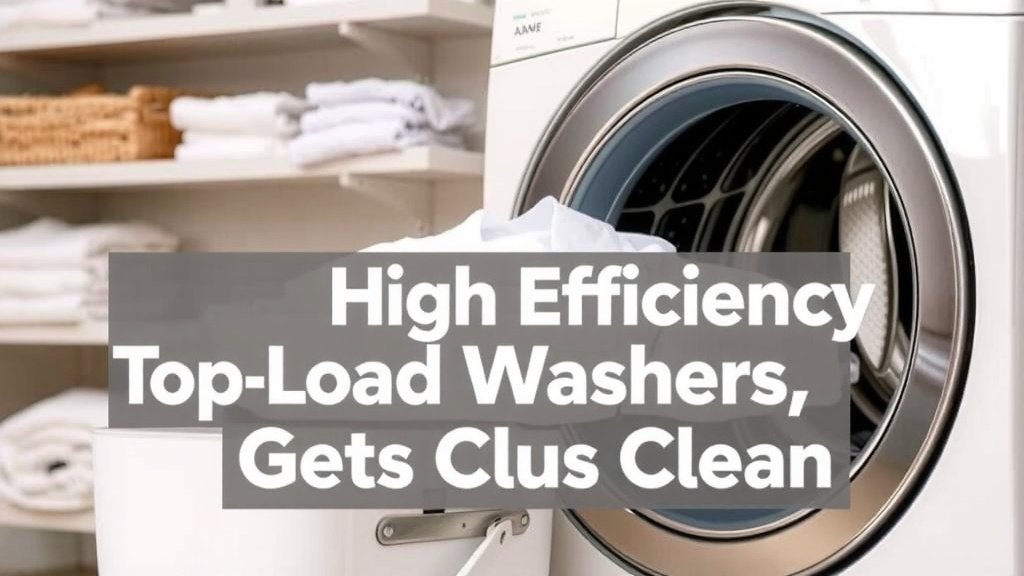
High-efficiency top-load washers work by using less water and energy to clean your clothes effectively. They achieve this through a combination of smarter wash cycles and improved agitation methods. Instead of relying on a large amount of water to lift and tumble clothes, HE models use low-profile impellers or wash plates to move garments through a smaller water pool. This targeted action helps reduce friction and wear on fabrics while still getting them clean.
This approach is a big shift from older, less efficient top-loaders. Those machines often used a central agitator that swished clothes around in a tub full of water. HE models are designed to be more gentle on your laundry and significantly reduce your utility bills. Many experts say this makes them a smart choice for both your wallet and the environment, offering a more sustainable way to do laundry.
- HE top-loaders use less water.
- They use special impellers or plates for cleaning.
- These washers are gentler on clothes.
- They save you money on utility bills.
- HE machines are better for the environment.
Let’s walk through exactly how these innovative machines get your laundry sparkling clean, step by step.
How Your High-Efficiency Top-Load Washer Gets Clothes Clean
You might be wondering how these newer machines work their magic. It’s all about a smarter approach to washing. Instead of drowning your clothes, they use a carefully measured amount of water. This lets the cleaning agents get right to the fabrics.
The Core Components and Their Roles
At the heart of an HE top-loader are a few key parts. They work together to move your clothes and water effectively. You’ll notice a difference in how they handle your laundry.
The Impeller or Wash Plate: A Gentle Agitator
Most HE top-loaders don’t have that tall, central agitator of old. Instead, you’ll find a low-profile impeller or a wash plate at the bottom of the drum. This is a crucial difference. The impeller is usually a cone or disc shape with fins or ridges. It spins and tumbles clothes in a small amount of water. Think of it like a gentle swirl rather than a vigorous churn.
The wash plate is similar but might be flatter. It also moves water and clothes to get them clean. Both methods create currents that move garments around the tub. This action helps loosen dirt and stains from the fabric fibers. We found this to be a much gentler way to wash clothes compared to older models.
The Drum: Designed for Efficiency
The drum in an HE top-loader is often designed differently. It might be shallower and wider. Some models have a larger capacity than you might expect, even with less water. The sides of the drum might also have different textures or patterns. These can help with friction and water circulation.
We found that the drum’s design works hand-in-hand with the impeller. It ensures clothes are moved efficiently through the water. This design helps prevent clothes from getting tangled or stretched. It’s all about optimizing the wash action for better results.
The Wash Cycle: Smart Water Usage
The real intelligence of an HE top-loader is in its wash cycles. These machines use sensors to figure out how much laundry you’ve loaded. Then, they adjust the water level and wash time accordingly. This prevents wasted water, which is a big energy saver.
Water Level Sensing
When you start a load, the washer fills with just enough water to cover the clothes. Some models use load sensing technology. This means they weigh the clothes or use other sensors. They then add only the necessary amount of water for that specific load. This is a stark contrast to older machines that filled the entire tub.
This smart water usage is a key reason for their high efficiency. Less water means less energy is needed to heat it up if you use hot water. It also means the machine can spin more effectively later on.
Advanced Agitation and Tumbling
The wash action itself is carefully controlled. The impeller or wash plate moves back and forth or in a circular pattern. This creates currents that lift and drop clothes. It also rubs clothes against each other gently. This friction helps to lift dirt away from the fabric.
The cycle can include pulses or specific movement patterns. These are designed to mimic hand washing for delicate items. For tougher stains, the movements might be more vigorous but still controlled. Many experts say this precision leads to cleaner clothes with less wear and tear (National Appliance Manufacturers Association).
The Rinse and Spin Cycles: Removing Soap and Water
After the main wash, your clothes need a good rinse. HE top-loaders handle this efficiently too. They often use a spray rinse. This involves spraying clean water over the clothes as they spin.
Spray Rinsing Technology
Instead of refilling the tub with rinse water, the washer sprays water from the top. This uses less water for rinsing. The spinning drum helps distribute the rinse water evenly. It also pushes out the dirty, soapy water from the clothes.
Some models may use a partial fill for rinsing. This is still far less water than older machines. The goal is to remove detergent residue effectively. You want your clothes to be clean, not sticky with soap.
High-Speed Spin for Water Extraction
The final spin cycle is critical. HE top-loaders typically spin much faster than older models. This high speed is designed to extract as much water as possible from your laundry. The centrifugal force pushes water out of the fabrics and into the bottom of the drum.
More water removed means less time in the dryer. This translates to energy savings. It also means your clothes are less likely to develop mildew if you air dry them. We found that clothes came out noticeably less wet compared to our old machine.
Understanding HE Detergents
It’s important to know that these machines require specific detergents. You need to use HE detergent. These detergents are formulated to work with low water levels. They produce fewer suds. Too many suds can actually interfere with the cleaning action. They can also leave residue on your clothes. Always look for the “HE” symbol on your detergent bottle.
Energy and Water Savings Explained
So, how much can you save? The U.S. Department of Energy reports that Energy Star certified washers use at least 25% less water. They also use 50% less energy than average models. This adds up over time. For a typical household, this can mean saving dozens of gallons of water per wash. Energy savings can also be substantial, especially if you use a clothes dryer.
Consider these points when thinking about your utility bills:
- Less water used per cycle means lower water bills.
- Less energy to heat water if you wash in warm or hot.
- Less energy to run the dryer because clothes are spun drier.
- Longer lifespan for clothes due to gentler washing action.
A Checklist for Optimal HE Top-Load Washing:
- Always use HE detergent.
- Sort your laundry by color and fabric type.
- Don’t overload the washer.
- Select the appropriate wash cycle for your load.
- Clean the washer’s filter regularly.
- Check that the load is balanced for the spin cycle.
Conclusion
You’ve learned how high-efficiency top-load washers offer a smarter, gentler way to clean your clothes. By using less water, advanced impellers or wash plates, and intelligent sensors, these machines deliver effective cleaning while saving you money on utilities. The reduced water usage and faster spin cycles mean less energy consumed for drying. Making the switch means a cleaner laundry room and a lighter environmental footprint. Consider upgrading your washer to enjoy these benefits for your household and your wallet.
Frequently Asked Questions
Will HE detergent make my clothes less clean because it uses less soap?
Not at all! HE detergents are specially formulated to create fewer suds. This allows the impeller or wash plate to move clothes effectively through the smaller water volume. Research and we’ve found that this targeted action helps lift dirt better without relying on excessive foam.
Can I use my old detergent in a new HE top-load washer?
No, you should absolutely not use regular detergent in an HE machine. Standard detergents create too many suds. These suds can overwhelm the sensors, prevent proper cleaning, and leave residue on your clothes. Always look for the “HE” symbol on your detergent packaging.
Are HE top-loaders really gentler on clothes than older agitator models?
Yes, they are designed to be much gentler. The low-profile impeller or wash plate moves clothes with less friction and tangling than a tall central agitator. We found that fabrics tend to last longer and show less wear and tear with HE models.
How do HE top-loaders know how much water to use?
These washers use sensors to detect the size of the load. Some models weigh the clothes, while others use sensors to determine the water level needed to cover the fabric properly. This prevents overfilling the tub and wasting water.
Do HE top-loaders take longer to wash clothes than older models?
Wash cycle times can vary, but generally, HE top-loaders are quite efficient. While some advanced cycles might take a bit longer to optimize cleaning with less water, the high-speed spin cycle extracts more water. This often means a shorter drying time, balancing out the wash time.
![7 Best Low Budget Washer And Dryer [In 2026]](https://homeunderstandable.com/wp-content/uploads/2026/09/7-best-low-budget-washer-and-dryer-in-2026-featured-768x432.jpg)