Front Load Washer: How Full to Load It For Best Results
You can generally load your front-load washer until the clothes are loosely packed and there’s still plenty of room for them to tumble freely. Don’t cram them in tightly; aim for about 80% full. Overfilling can prevent proper cleaning and rinsing.
Understanding how full to load your front-load washer is key to getting cleaner clothes and extending your machine’s life. We found that overloading can lead to worn-out fabrics and even damage your appliance over time. It’s about balance, not just filling it up.
- Don’t pack clothes too tightly.
- Aim for roughly 80% full.
- Ensure clothes can tumble freely.
- Overfilling can cause poor cleaning.
- It may also damage your machine.
Let’s walk through exactly how to get that load size just right to keep your laundry looking and smelling its best.
Loading Your Front-Load Washer: The Goldilocks Zone
Finding that sweet spot for your front-load washer is easier than you think. You want it full enough to be efficient, but not so full that your clothes can’t get properly clean. Think of it like Goldilocks and the three bears — not too full, not too empty, but just right.
Many experts recommend loading your machine to about 80% capacity. This means you should be able to easily slip your hand into the drum above the clothes. If you have to force your hand in, or if there’s no room at all, it’s likely too full (Cleveland Clinic).
Why Overloading Is a No-Go
You might think cramming more clothes into one load saves time and water. While it might save a little water, it often leads to more problems than it solves. Overfilling can seriously impact how well your clothes are cleaned and how long your machine lasts.
The Impact on Cleaning Power
Your front-load washer relies on gravity and the tumbling action of the drum to move clothes through the water and detergent. When the machine is too full, the clothes can’t tumble freely. This means:
- Detergent won’t reach all the fabrics.
- Dirt and grime won’t be properly washed away.
- Rinsing becomes a challenge, leaving behind soapy residue.
We found that even with a good detergent, heavily overloaded machines resulted in noticeably less clean laundry. Stains that should have come out remained, and clothes sometimes had a dingy appearance.
Wear and Tear on Your Machine
A washing machine is a complex appliance. Overloading puts a tremendous strain on its components. The motor has to work harder to turn the drum, and the suspension system takes a beating. This can lead to:
- Premature wear on the motor and bearings.
- Damage to the drum seals.
- Potential issues with the door latch and hinges.
Many appliance repair technicians have noted that overloading is a common cause of premature breakdowns. It’s like constantly trying to jog with a backpack that’s twice your weight – eventually, something’s going to give.
The Problem with Underloading
Just as overloading is an issue, so is underloading. While it’s better than overfilling, running your machine with only a few items can also be inefficient. You might be using the same amount of water and energy for just a couple of shirts as you would for a medium-sized load.
From an efficiency standpoint, it’s best to wait until you have a substantial load. Think of it as batching tasks. You wouldn’t turn on the oven for just one cookie, right? The same principle applies here. We found that waiting for a full, but not overstuffed, load is the most energy-efficient and water-wise approach.
How to Judge the “Just Right” Load Size
So, how do you visually check if your load is balanced? Here are a few simple methods:
The Hand Test
After you’ve placed your clothes in the drum, try to slide your hand in vertically from the top. If you can easily fit your hand and there’s still space above the clothes, you’re likely in good shape. If your hand feels compressed or you can’t get it in without pushing, the load is too dense.
The Visual Cue: The Visible Drum Wall
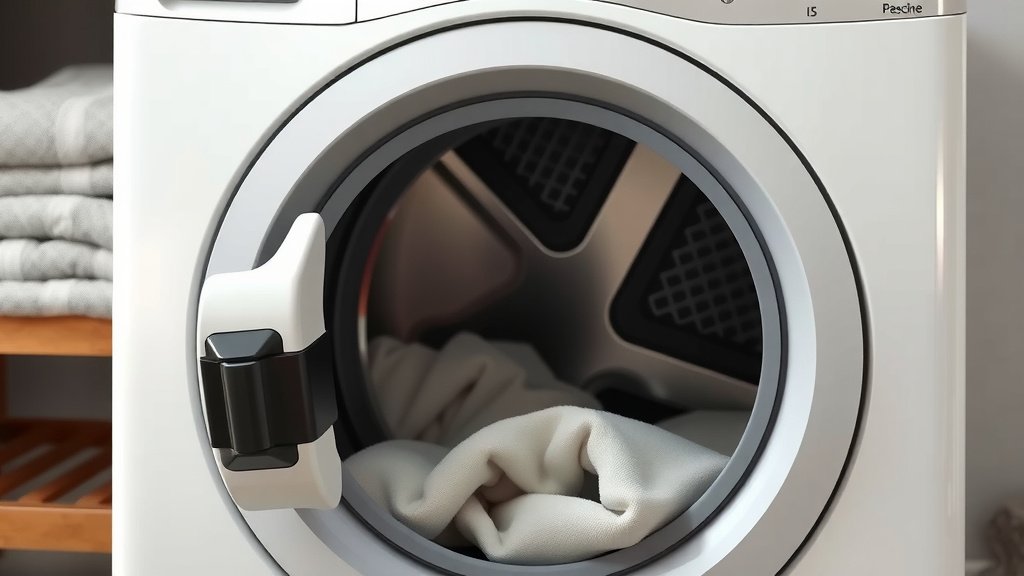
When looking into the drum, you should still be able to see a good portion of the drum wall above the pile of clothes. If the clothes reach the very top of the drum, it’s definitely too full. Aim for the clothes to fill no more than about two-thirds to three-quarters of the drum’s volume.
The Tumble Test (Mental or Actual)
Imagine the clothes tumbling. Do they have enough space to fall and move freely? If they look like a tightly packed ball, they don’t. Proper tumbling is essential for both cleaning and rinsing. We found this mental visualization helps many people gauge their loads effectively.
Factors That Affect Load Size
Not all loads are created equal. Several things can influence how much you can fit:
Type of Fabric
Bulkier items like towels, bedding, and sweaters take up more space than lighter items like t-shirts and delicates. You can fit more t-shirts in a load than you can towels, even if the weight is similar.
Item Size
Obviously, larger items like king-sized duvet covers will take up more room than small children’s socks. Always consider the dimensions of what you’re washing.
Water Absorption
Some fabrics absorb more water and become heavier when wet. This is particularly true for towels and heavy cotton items. While you can load them when dry, remember they will gain significant weight and bulk once saturated.
A Quick Checklist for Perfect Loads
Use this simple checklist before starting your next wash cycle:
- Is there space to add more items? If yes, it might be too light.
- Can you easily fit your hand vertically above the clothes? Aim for yes.
- Do the clothes look loosely packed, not tightly crammed? Aim for yes.
- Can you still see a good portion of the drum wall? Aim for yes.
- Imagine the clothes tumbling – do they have room to move? Aim for yes.
Troubleshooting Common Loading Mistakes
Sometimes, even with the best intentions, you might find your clothes aren’t coming out as clean as they should. Here’s what might be happening:
My Clothes Still Smell Musty
This is a classic sign of a load that’s too dense. The detergent and water can’t circulate properly to wash away the odor-causing bacteria. Try reducing the load size in your next wash.
Detergent Residue on Clothes
If you see white streaks or a sticky feeling on your clothes after washing, it’s often because there wasn’t enough water or tumbling action to rinse away all the detergent. Again, a smaller, more manageable load is the solution.
Washing Machine Smells Funny
An overloaded machine can trap moisture and mildew in the drum and seals. Running too many heavy loads can contribute to this. Make sure to leave the door ajar between washes to allow for air circulation, and run a cleaning cycle periodically.
By following these guidelines, you’ll be well on your way to achieving perfectly clean laundry and ensuring your front-load washer works efficiently for years to come. It’s all about finding that “just right” balance!
Conclusion
You’ve learned that the secret to a sparkling clean wash and a happy washing machine lies in finding the “just right” load size. Remember, it’s not about cramming in as much as possible. Aiming for about 80% capacity, where clothes can tumble freely, is your golden ticket. This simple adjustment prevents poor cleaning, reduces wear on your machine, and saves you hassle. Next time you do laundry, give the hand test or visual cue a try. Your clothes and your washer will thank you for it!
Frequently Asked Questions
Can I wash just one or two items in my front-load washer?
While you can technically wash just a few items, it’s not very efficient. You’ll use the same amount of water and energy as a larger load. It’s generally best to wait until you have a more substantial load to maximize efficiency.
What happens if my front-load washer isn’t full enough?
An underloaded machine can be inefficient, wasting water and energy. While it’s not as harmful as overloading, we found that waiting for a good-sized load is the most water- and energy-wise approach.
Are towels and bedding harder to wash because they’re bulky?
Yes, bulky items like towels and bedding take up more space and absorb more water, making them heavier. You’ll likely fit fewer of these items in a load compared to lighter fabrics like t-shirts.
How often should I run a washing machine cleaning cycle?
It’s a good idea to run a cleaning cycle for your front-load washer about once a month. This helps prevent buildup of moisture, mildew, and odor-causing bacteria, especially if you tend to wash heavy loads or live in a humid climate.
Can overloading cause my clothes to fade faster?
Overloading can definitely contribute to faster fading and wear. When clothes can’t tumble freely, they rub against each other more aggressively. This friction can wear down fibers and cause colors to fade prematurely.
![7 The Best Stackable Washer Dryer Combo [In 2026]](https://homeunderstandable.com/wp-content/uploads/2026/09/7-the-best-stackable-washer-dryer-combo-in-2026-featured-768x432.jpg)