
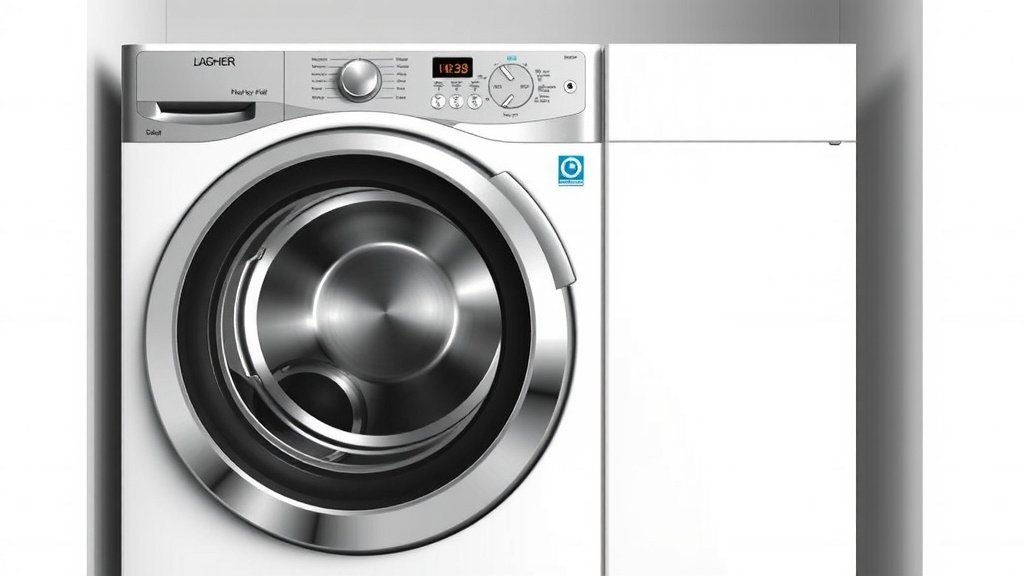
How Full to Fill a Top Load Washer: Max Load Guide
You can fill a top-load washing machine until the clothes are fully submerged and can move freely. Overstuffing can lead to poor cleaning performance and potential damage. A good rule is to leave at least one-third of the drum empty for items to agitate properly.
Knowing how much to load your washing machine is key to getting your clothes truly clean. A washing machine that’s too full won’t get adequate water circulation. This means dirt and detergent can get trapped in your fabrics. We found that many people worry about underloading, but overfilling is a more common issue.
- Leave enough space for clothes to move freely.
- Aim for one-third of the drum to be empty.
- Overfilling leads to poor washing results.
- Underfilling is generally less of a problem for cleaning.
Let’s walk through exactly how to load your top-load washer for the best results.
How Full Should Your Top Load Washer Be?
It’s a question many of us have asked while staring at a mountain of laundry: just how much can I stuff into this machine? The simple answer is: not too much! You want your clothes to have room to move. Think of it like a dance floor – if it’s overcrowded, no one can really groove.
Overfilling is one of the most common mistakes people make. It might seem efficient to cram everything in, but research shows this leads to a less effective wash. Your clothes need space to tumble and get thoroughly saturated with water and detergent. We found that most top-load washers perform best when they are about two-thirds full, leaving that crucial one-third empty space.
Why Overfilling is a Big No-No
When you overstuff your top-load washer, several problems can arise. The main culprit is reduced water circulation. Detergent and water simply can’t reach every fiber of your clothing. This means dirt, grime, and even residual soap can get trapped in your garments.
Cleaning Performance Takes a Hit
Imagine trying to scrub a stubborn stain with your hands tied behind your back. That’s similar to what your washing machine struggles with when it’s too full. The clothes can’t agitate properly against each other or against the water. We found that garments in an overstuffed machine often come out with lingering odors or visible spots.
Potential for Damage
Beyond just not getting clean, overfilling can actually harm your washing machine. The motor has to work harder to move the dense, heavy load. This can lead to premature wear and tear on the appliance. Additionally, items might get caught in the agitator or against the drum walls, potentially causing rips or tears in your clothes or even damage to the machine’s interior.
The Ideal Load: Less is Sometimes More
So, what’s the magic number? As we touched on, aiming for about two-thirds full is a good general guideline. This allows enough space for water to flow freely and for your clothes to move around. Let’s break down what that looks like in practice.
Visualizing the Perfect Load Size
Picture the inside of your washing machine drum. If you can easily push your hand down through the center of the clothes and feel air, you’re likely on the right track. If you have to force your hand down, or if the clothes are packed so tightly you can’t even see the bottom of the drum, it’s probably too full. Many manufacturers suggest leaving enough space so that the clothes are submerged and can move freely without being compressed.
Different Fabrics, Different Needs
It’s worth noting that load size can vary slightly depending on the type of fabric you’re washing. Bulky items like towels and bedding will take up more space than lightweight items like t-shirts and socks. For bulky items, you might need to wash fewer pieces at a time to ensure proper cleaning. For smaller, lighter items, you can generally fit more, but always leave that essential empty space.
Signs Your Washer Might Be Overloaded
Your washing machine will often give you clues if you’re overdoing it. Paying attention to these signals can save you hassle and potentially costly repairs.
Unusual Noises
Are you hearing strange thumping, grinding, or straining sounds during the wash cycle? This can indicate that the machine is struggling to spin or agitate a load that’s too heavy or unbalanced. We found that these noises are often a direct result of an overloaded drum.
Clothes Still Dirty or Soapy
This is the most obvious sign! If your clothes are coming out of the wash still looking dirty, smelling musty, or feeling stiff with soap residue, your load size is likely the culprit. The water and detergent just couldn’t do their job effectively.
Machine Not Draining or Spinning Properly
An overloaded machine can sometimes prevent the washer from completing its cycles. If your washer is stuck mid-cycle, not draining water, or not spinning at its usual speed, an overloaded drum could be the reason. This can also be a sign of a more serious mechanical issue, so if it persists after adjusting your load size, it’s time to consult your manual or a technician.
A Simple Checklist for Loading Your Washer
To make things easy, here’s a quick checklist you can use every time you load your top-load washer:
- Check the Drum: Is it about two-thirds full at most?
- Visual Test: Can you easily push your hand through the center?
- Fabric Type: Are bulky items spaced out?
- Free Movement: Do clothes have room to tumble and move freely?
- Water Submersion: Will clothes likely be fully submerged?
- Listen: Does the machine sound normal during the cycle?
What About Underloading?
While we’ve focused on overfilling, it’s worth briefly mentioning underloading. Washing only a few items at a time isn’t necessarily bad for cleaning performance, especially for delicate items. However, it can be less efficient in terms of water and energy usage. Many experts suggest running your washer with a reasonably full load (within the recommended two-thirds capacity) to maximize efficiency when possible, but there’s less risk of poor cleaning or damage compared to overfilling.
| Load Size | Impact on Cleaning | Impact on Machine | Efficiency |
|---|---|---|---|
| Overloaded (Too Full) | Poor, clothes may remain dirty or soapy. | Strain on motor, potential for damage. | Inefficient use of water/energy per item. |
| Ideal (Two-Thirds Full) | Excellent, thorough cleaning achieved. | Normal operation, minimal strain. | Good balance of cleaning and resource use. |
| Underloaded (Too Empty) | Good, but less efficient for large washes. | No strain, but not optimal use of cycle. | Can be inefficient in water/energy use. |
Conclusion
You’ve learned that stuffing your top-load washer is a common mistake. It prevents proper cleaning and can even harm your machine. Remember, clothes need room to move freely for the best results. Aim to fill your washer only about two-thirds full, ensuring about a third of the drum remains empty. This simple adjustment will lead to cleaner clothes and a healthier washing machine. So, the next time you’re doing laundry, try this guideline. You’ll likely see and feel the difference in your freshly washed items!
Frequently Asked Questions
Can I put a full load of laundry in my top-load washer?
While it might seem efficient, putting a completely full load in your top-load washer isn’t ideal. Your clothes need space to agitate and get thoroughly cleaned. Research we’ve seen suggests filling the drum no more than two-thirds full to allow for proper water circulation and movement.
How do I know if my top-load washer is too full?
A good indicator is trying to push your hand down through the center of the clothes. If you can easily push it through and feel air, you’re likely in good shape. If you have to force your hand down or can’t see the bottom of the drum, it’s probably too full, and your clothes won’t get properly clean.
What happens if I overload my top-load washing machine too often?
Overloading too often can strain your washing machine’s motor, leading to premature wear and tear. It also means your clothes won’t get clean effectively, potentially leaving them with odors or soap residue. We found that consistent overloading can lead to more frequent repairs.
Does the type of fabric affect how full I can fill my top-load washer?
Yes, it does. Bulky items like towels, bedding, or heavy blankets take up much more space than lightweight items like t-shirts or socks. You’ll need to wash fewer bulky items at a time to ensure they have enough room, while you can fit more lightweight items, always keeping that two-thirds rule in mind.
Is it better to underload or overload my top-load washer?
It’s generally better to underload than overload your top-load washer. While underloading might be less efficient for water and energy use, it won’t result in poor cleaning or potential damage to your machine. Overloading is far more likely to cause problems with cleaning performance and the longevity of your appliance.
![7 Best Brand Of Stackable Washer And Dryer [In 2026]](https://homeunderstandable.com/wp-content/uploads/2026/09/7-best-brand-of-stackable-washer-and-dryer-in-2026-featured-768x432.jpg)
![7 Best Washing Machine [In 2026]](https://homeunderstandable.com/wp-content/uploads/2026/09/7-best-washing-machine-in-2026-featured-768x432.jpg)