
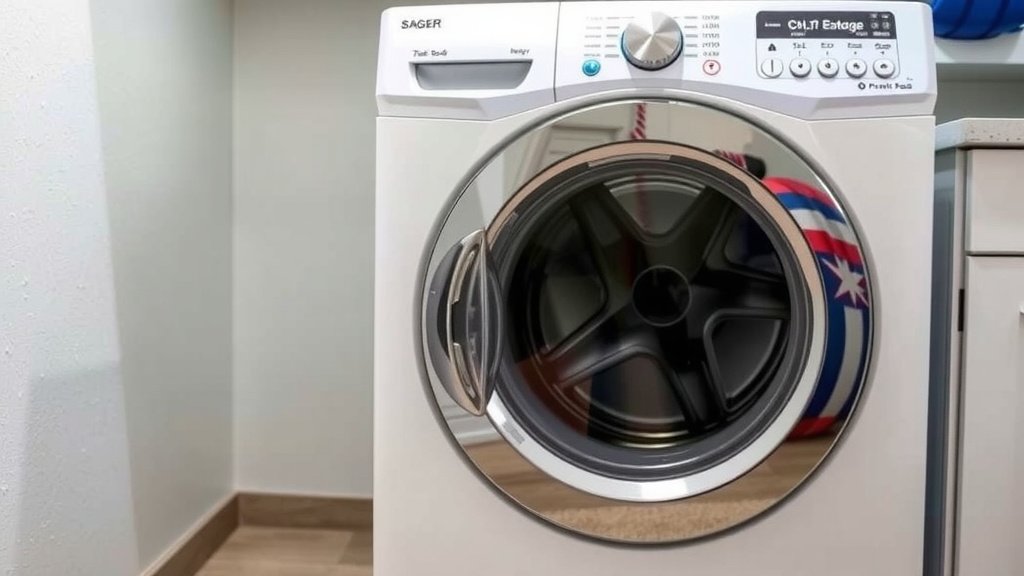
How Much to Fill a Front Load Washer
You shouldn’t fill your front load washer completely. In fact, leaving about an inch of space at the top of the drum is the ideal amount of laundry. This allows your clothes to tumble freely and get properly clean, and it also helps your machine run more efficiently without overworking itself.
Overloading a front loader can lead to a few problems. It means your clothes won’t get as clean because they can’t move around enough. Plus, a consistently overstuffed machine can cause unnecessary wear and tear on the components over time. Keeping this space is key to good results.
- Front load washers need space for clothes to move.
- Don’t pack the drum tightly.
- Leave about an inch at the top.
- This ensures better cleaning and less strain on the machine.
- Overloading can lead to poor wash results.
Let’s walk through exactly how much laundry is just right for your front load washer so you can get the best clean every time.
Loading Your Front Load Washer Correctly
Knowing how much laundry to put in your front load washer is a common question. It can feel like a bit of a puzzle. But getting it right makes a big difference in how clean your clothes get. It also helps your machine last longer.
The “Tumble Zone” Principle
Think of your washing machine drum like a playground for your clothes. They need space to tumble and flip around freely. This motion is what helps the detergent reach all the dirt. It also allows the water to rinse everything away effectively.
Why Free Movement Matters
When clothes are packed too tightly, they can’t move properly. They just sort of sit there, getting a superficial rinse. This means stains might not come out. It also puts extra strain on the motor. Research suggests proper load size is key for optimal cleaning action (Consumer Reports).
What “Too Full” Looks Like
If your drum is completely stuffed, you’ll know it. The clothes will look crammed. You won’t be able to easily push your hand down into the load. Imagine trying to do jumping jacks in a tiny closet – it’s not going to work well!
How Much Laundry is “Just Right”?
The general rule of thumb is to fill the drum about two-thirds to three-quarters full. You should still be able to see the top of the drum, with some space left above the clothes. Aim for a load that looks fluffy, not packed.
Visualizing the Ideal Load
Imagine dropping a load of clean, dry clothes into the empty drum. You want them to fill it loosely. If you have to push them down or they’re sticking up near the door seal, it’s too much.
The “Fist Test” Method
A helpful way to check is the “fist test.” After you put your clothes in, try to place your fist vertically on top of the load. If you can easily get your fist in with some room to spare, you’re likely good. If it’s a tight squeeze or you can’t get your fist in at all, you’ve overloaded it.
Consequences of Overloading Your Washer
Loading too many clothes can seem like a good idea to save time. You might think you’re getting more done at once. However, this can actually lead to poorer results and damage over time. Many appliance repair technicians warn against this practice.
Reduced Cleaning Performance
When your front loader is overloaded, the water and detergent can’t circulate properly. This means your clothes won’t get the deep clean they need. Stains may remain. Whites might look dingy. It’s like trying to wash a single sock in a swimming pool – the water just flows around it.
Increased Wear and Tear on Your Machine
A consistently overloaded washer has to work much harder. The motor strains. The drum bearings can take a beating. Over time, this can lead to premature breakdowns. Think of it like running a marathon without training; your body won’t hold up well.
Potential for Damage to Clothes
Excessive friction from tightly packed clothes can cause unnecessary wear. Seams can strain. Fabrics can get pilled or stretched out more quickly. This is especially true for delicate items.
Factors That Affect Load Size
It’s not just about how many items you put in. Different types of laundry have different impacts on your load size. What might seem like a light load could actually be quite heavy.
Weight vs. Volume
Some items, like heavy towels or jeans, take up less space but weigh more. Other items, like bulky blankets or bedding, take up a lot of space but might not feel as heavy. You need to consider both how much space they fill and their actual weight.
Water Absorption
Materials like cotton and terry cloth absorb a lot of water. This makes the load heavier during the wash cycle. Synthetics tend to absorb less water. This is why a load of towels can feel significantly heavier when wet than a load of synthetic activewear.
Tips for Achieving the Perfect Load Size
Getting your load size right is simple once you know what to look for. A few easy habits can make all the difference for your laundry and your machine.
- Don’t pack the clothes down. Let them sit loosely in the drum.
- Use the “fist test” if you’re unsure. Aim for at least a fist-sized gap at the top.
- Mix item sizes. Avoid washing only very large or very small items together.
- Consider the fabric. Be mindful of how much water heavy fabrics will absorb.
- When in doubt, use a smaller load. It’s better for your machine.
What About Special Cycles?
Some washers have cycles designed for bulky items or delicates. These cycles often have different water levels or tumble patterns. Even with these, it’s important not to overstuff the machine. The principle of allowing clothes to move remains the same.
Checking Your Washer’s Manual
Your washing machine’s manual is a fantastic resource. It often contains specific guidelines for load sizes. Many manufacturers provide recommendations tailored to their models. Consulting your manual is always a smart step.
| Load Type | Recommended Fill Level | Notes |
|---|---|---|
| Regular Mixed Load | Two-thirds to three-quarters full | Allow space for clothes to tumble freely. |
| Heavy Items (Towels, Jeans) | No more than half full | These absorb more water and add weight. |
| Delicates | One-third to half full | Less agitation needed, but still needs space. |
| Bulky Items (Blankets) | One-third full | These take up a lot of space. |
A Simple Checklist for Perfect Loads
Here’s a quick rundown to help you remember the key points:
- Space is Key: Always leave room for movement.
- Visual Check: Can you see the top of the drum?
- Fist Test: Easily fit a fist on top? Good to go.
- Avoid Cramming: Don’t force clothes in.
- Consider Weight: Heavy items need more space.

Conclusion
You’ve learned that filling your front load washer correctly is key to getting your clothes truly clean and keeping your machine in great shape. Remember the golden rule: leave about an inch of space at the top, or aim for a two-thirds to three-quarters full drum. This simple habit ensures your clothes can tumble freely, allowing water and detergent to work their magic effectively. By avoiding an overstuffed drum, you’re not only improving wash results but also preventing unnecessary wear and tear. Make the “fist test” your new best friend for perfectly loaded laundry every time!
Frequently Asked Questions
Will my front load washer still clean if I fill it all the way?
While your front load washer might still run, filling it all the way means clothes can’t move properly. This limits the ability of water and detergent to reach all the dirt, leading to less effective cleaning and potential stains. It also puts extra strain on your machine’s motor and components.
What happens if I only wash one or two items in my front load washer?
Washing just a few items is generally fine, especially if you use the appropriate cycle and load size setting. However, avoid running the machine with only a single, heavy item, as this can sometimes cause an imbalance. For very small loads, consider using a delicate or handwash cycle if available.
Can I put bulky items like comforters in my front load washer?
Yes, you can wash bulky items like comforters, but you must be careful not to overfill the machine. A good rule of thumb is to fill the drum no more than one-third full for bulky items. They absorb a lot of water and need ample space to tumble and rinse properly.
Does the type of fabric affect how much I can fill my front load washer?
Absolutely. Heavier fabrics like towels and jeans absorb more water and add significant weight, so they require a much smaller load size – often no more than half full. Lighter items or synthetics can fill the drum a bit more, but always ensure there’s space for movement.
How often should I check my front load washer’s manual for load size?
It’s a good idea to consult your front load washer’s manual when you first get it or if you’re unsure about specific load types. While the general guidelines about leaving space are universal, your manual may offer model-specific advice or recommendations for specialized cycles that can further optimize your washing.
![7 What Is The Best Stackable Washer Dryer Combo [In 2026]](https://homeunderstandable.com/wp-content/uploads/2026/09/7-what-is-the-best-stackable-washer-dryer-combo-in-2026-featured-768x432.jpg)


![7 Best Deal Washer And Dryer [In 2026]](https://homeunderstandable.com/wp-content/uploads/2026/08/7-best-deal-washer-and-dryer-in-2026-featured-768x432.jpg)