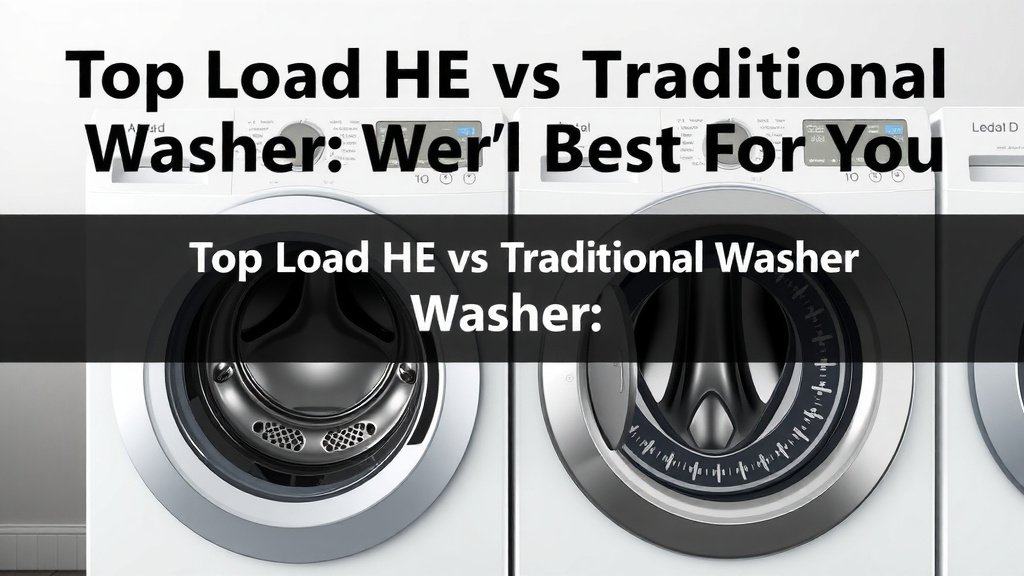
Top Load HE vs Traditional Washer: What’s Best for You
When comparing a top load high efficiency washer versus a traditional one, the high efficiency (HE) model is generally the better choice for most households. HE washers use less water and energy, saving you money on utility bills over time. While they might take a bit longer to wash clothes, the gentler wash action can also be kinder to your fabrics.
Many people wonder if the higher upfront cost of an HE washer is worth it. Our research shows that the long-term savings on water and electricity often make up for the initial investment. Plus, these newer machines are designed to clean your clothes effectively without swamping them in water. You might notice a different washing motion, but the results are usually just as good, if not better.
- HE top loaders use less water and energy.
- They can save you money on utility bills.
- HE washers are often gentler on your clothes.
- Traditional top loaders are usually faster.
- Traditional washers use more water and energy.
Let’s break down the key differences to help you decide which type of washer is the right fit for your laundry room and your budget.
Top Load Washers: HE vs. Traditional Showdown
When you’re ready for a new washing machine, you’ll likely see two main types of top loaders: high-efficiency (HE) and traditional agitator models. Both get clothes clean, but they do it in very different ways. We found that understanding these differences can help you pick the machine that best fits your lifestyle and your wallet.
The biggest questions people have are about how they work and if the new technology is truly better. Let’s dive into the details so you can make an informed choice for your laundry room.
Water Usage: The Core Difference
Perhaps the most striking difference between HE and traditional top loaders is how much water they use. Traditional machines are often like bathtubs for your clothes. They fill up with enough water to completely submerge everything inside.
HE models, on the other hand, are designed to use much less water. Think of it more like a gentle shower for your clothes. They use sensors to determine the right amount of water needed for the load size. This water conservation is a major selling point for HE machines.
Why Less Water Matters
Using less water isn’t just good for the environment. It directly impacts your utility bills. Water heating is a big energy user in your home. Less water means less energy needed to heat it up for your wash cycles. Many studies show significant savings over the life of an HE machine (Energy Star).
You’ll also notice that HE machines often have a different wash action. Instead of tumbling in a huge pool of water, they use impellers or wash plates at the bottom of the tub to move clothes through a smaller amount of water. This gentler cleaning can be kinder to your fabrics over time.
Energy Consumption: A Closer Look
Water usage is closely tied to energy consumption. Because HE washers use less water, they naturally require less energy. This applies to both the energy needed to heat the water and the energy used by the machine’s motor to agitate and spin.
Traditional agitator models, filling up with water and often running longer, tend to use more electricity. While the upfront cost might seem lower for a traditional machine, the ongoing energy savings from an HE model can add up substantially over the years.
Calculating Your Savings
It can be tough to pinpoint exact dollar amounts, as your local utility rates vary. However, research consistently shows HE machines are more efficient. For instance, a typical HE top loader might use about 10-20 gallons per load, while a traditional one could use 30-40 gallons or more (Consumer Reports data).
When you multiply that by the number of loads you do each week, the savings become clearer. Many experts suggest that the energy and water savings can offset the higher purchase price of an HE machine within a few years.
Wash Cycles and Time: What to Expect
One area where traditional washers often have an edge is wash time. Because they use a simpler, more vigorous agitation method, they can sometimes complete a wash cycle faster. If you’re always in a rush, this might be a point in their favor.
HE machines, especially early models, were sometimes criticized for longer cycle times. This is partly due to the need to sense load size and water levels. However, newer HE models have significantly improved their cycle speed. They often have quick wash options that can rival traditional machines.
Is a Longer Wash Bad?
Not necessarily! The longer cycles on some HE machines are often designed to allow the detergent more time to work in the reduced water volume. This can lead to a more thorough clean. Plus, the slower, more deliberate movement of clothes is often gentler on fabrics.
Think of it like this: would you prefer a quick, rough scrub or a longer, more careful cleaning? For your clothes, a gentler approach often leads to less wear and tear, helping them last longer.
Capacity and Loading: A Matter of Convenience
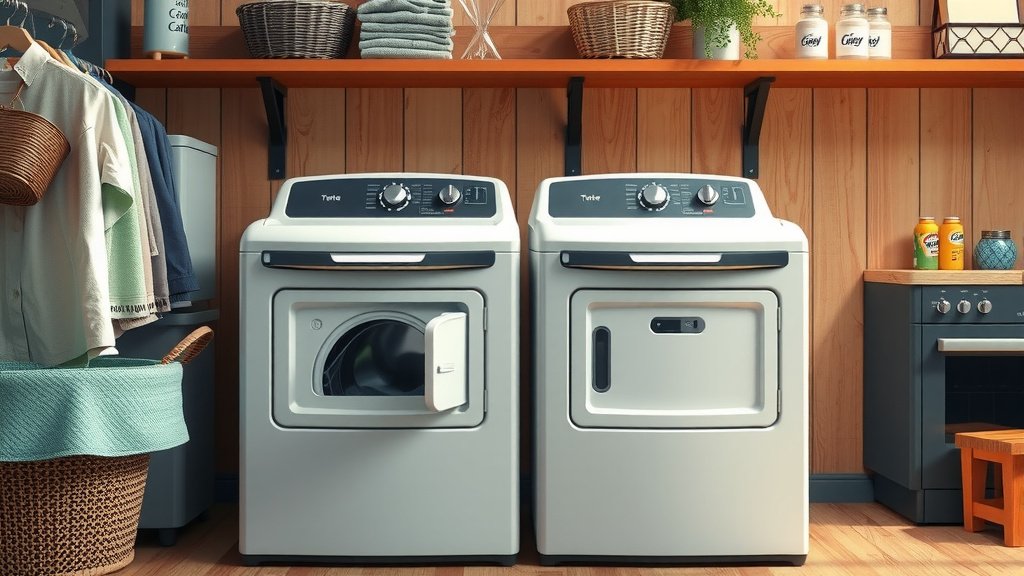
Both HE and traditional top loaders come in various sizes. You can find models that can handle large comforters or family-sized loads in either category. However, the way you load them can feel a bit different.
With traditional agitator models, you can often stuff clothes in more freely around the central agitator. For HE models, it’s important not to overfill the tub. You need to allow clothes enough room to move around in the water and for the impeller or wash plate to do its job effectively.
Loading Tips for HE Machines
We found that a common mistake with HE top loaders is overloading. If you pack the drum too tightly, clothes might not get clean, and the machine could even become unbalanced during the spin cycle. You want to ensure clothes are loosely distributed around the drum, not packed down.
Also, always use HE-specific detergent. These detergents are formulated to work with less water and create fewer suds. Using regular detergent in an HE machine can lead to excessive suds, which can hinder cleaning performance and even damage the machine.
Maintenance and Longevity
When it comes to maintenance, both types of washers require basic upkeep. Keeping the detergent dispenser clean and wiping down the door seal are good practices for any machine. For HE machines, it’s especially important to prevent mold or mildew buildup in the gasket, as they trap less water.
Many experts suggest running a cleaning cycle regularly for HE machines to keep them fresh. Regarding longevity, both types can last many years with proper care. However, the more complex electronic components in some HE models might, in theory, present more points of potential failure over a very long lifespan compared to simpler mechanical designs of traditional washers.
| Feature | Traditional Top Loader | HE Top Loader |
|---|---|---|
| Water Usage | High (fills tub) | Low (uses sensors) |
| Energy Usage | Higher | Lower |
| Wash Action | Agitator (vigorous) | Impeller/Plate (gentle) |
| Cycle Time | Often faster | Can be longer (but improving) |
| Detergent Type | Standard | HE-specific required |
| Cost (Upfront) | Generally lower | Generally higher |
| Cost (Over Time) | Higher (utilities) | Lower (utilities) |
Making Your Final Decision
So, which type of top loader is right for you? If you’re looking to save money on your utility bills, be kinder to your clothes, and reduce your environmental footprint, an HE top loader is likely your best bet. The initial investment is often recouped through savings over time.
If budget is extremely tight upfront, and you prioritize the fastest possible wash cycle above all else, a traditional model might still be an option. However, we found that most people appreciate the long-term benefits of the HE technology.
Here’s a quick checklist to help you decide:
- Consider your utility bills.
- Think about how gentle you want the wash to be.
- Assess your laundry volume and speed needs.
- Factor in the long-term cost savings.
- Remember to use the correct detergent for HE models.
Conclusion
Ultimately, choosing between a top load high efficiency (HE) washer and a traditional model comes down to your priorities. Our research shows that HE top loaders offer compelling long-term benefits. You’ll likely see savings on your utility bills thanks to reduced water and energy consumption. Plus, the gentler wash action can help your clothes last longer. While the upfront cost might be higher, the overall value is often superior. Make the switch to HE technology, and you’ll be investing in a more efficient and fabric-friendly laundry routine for years to come. Start by checking your local utility rates to estimate your potential savings!
Frequently Asked Questions
Do HE top loaders really clean as well as traditional ones?
Yes, research and user experiences indicate that HE top loaders clean effectively. They use different wash actions like impellers or wash plates to move clothes through a smaller amount of water. This method is designed to be gentler yet still thorough, often leading to better fabric care over time.
Can I use regular detergent in an HE top load washer?
No, you must use HE-specific detergent in an HE top load washer. Regular detergents create too many suds in the low-water environment. Excessive suds can prevent clothes from rinsing properly, leave residue, and potentially damage the machine’s internal components.
Are HE top loaders always slower than traditional models?
While some older HE models had longer cycles, newer machines have significantly improved. Many now offer quick wash options that are comparable to traditional washers. The longer cycles on some HE models are often intentional, allowing detergent more time to work effectively in less water.
Will an HE top loader save me a noticeable amount of money?
Yes, you can expect noticeable savings on your utility bills with an HE top loader. By using less water and energy per cycle, the cost of running the machine decreases over time. Many experts suggest these savings can offset the higher initial purchase price within a few years.
Is it harder to load an HE top loader correctly?
Loading an HE top loader requires a slightly different approach than a traditional model. You should avoid overloading the drum, as clothes need space to move freely in the water for effective cleaning. Loosely distribute items around the tub rather than packing them down tightly.
![7 Best Price Stackable Washer And Dryer [In 2026]](https://homeunderstandable.com/wp-content/uploads/2026/09/7-best-price-stackable-washer-and-dryer-in-2026-featured-768x432.jpg)
![7 Best Deal On Stackable Washer And Dryer [In 2026]](https://homeunderstandable.com/wp-content/uploads/2026/09/7-best-deal-on-stackable-washer-and-dryer-in-2026-featured-768x432.jpg)