

Front Load Washer: How Much Clothes to Wash
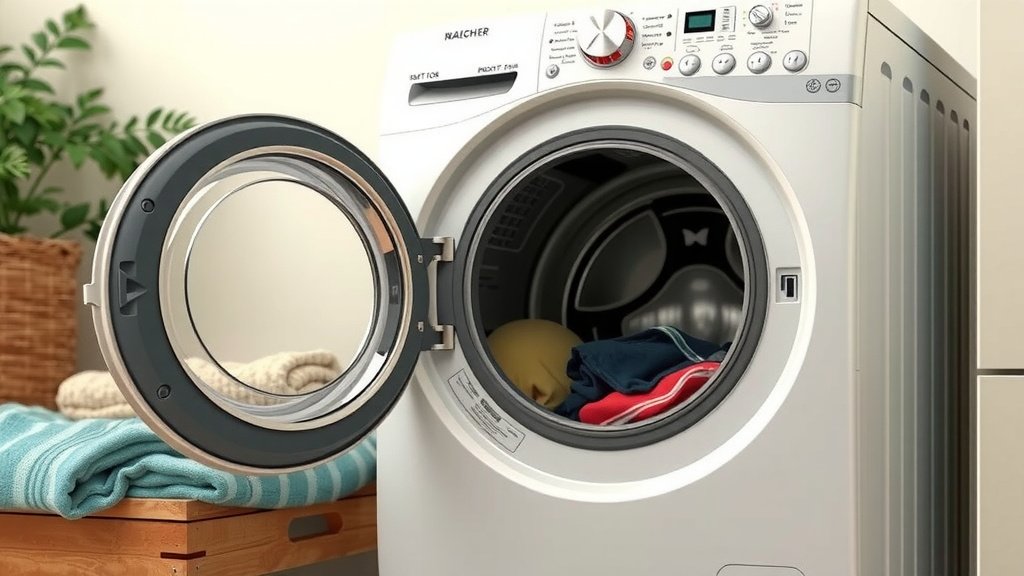
You should fill your front load washing machine about three-quarters full. Overstuffing can prevent clothes from moving freely. This means they won’t get properly clean. A good rule of thumb is to leave enough space for clothes to tumble. You should easily be able to fit your hand vertically into the drum above the load.
Knowing the right amount is key for cleaner laundry. It also helps protect your machine. Too much can strain the motor and bearings. Too little means you’re wasting water and energy. We’ve found that most people tend to overload their machines. This can lead to dingy clothes and unnecessary repairs.
- Fill washer about 3/4 full.
- Leave room for clothes to move.
- Don’t pack clothes too tightly.
- Too much can damage your machine.
- Too little wastes water and energy.
Let’s break down exactly how to load your front loader for the best results and how to avoid common mistakes.
Loading Your Front Load Washer Correctly
Figuring out how much laundry to put in your front load washing machine is a common question. Many people wonder if they’re doing it right. Research and common recommendations suggest you should aim for about three-quarters full. This ensures your clothes get clean without overloading the drum. It’s all about giving your garments enough space to move freely during the wash cycle. Think of it like giving them room to dance!
Why Proper Loading Matters So Much
When you get the load size just right, you’re setting yourself up for success. Your clothes will come out cleaner and fresher. Overloading is a surprisingly common mistake. We found that many users pack their machines too tightly. This hinders the water and detergent from reaching all the fabrics. It can leave you with dingy spots or lingering odors. On the flip side, washing too few items is also inefficient. It wastes precious water and energy. Your washing machine works best when it has a balanced load.
The “Hand Test” for Load Size
A simple trick we’ve found helpful is the “hand test.” After you’ve placed your clothes in the drum, try to slide your hand vertically between the top of the clothes and the top of the drum. If you can easily fit your hand in there, you’re likely on the right track. If it feels crammed or you can barely get your fingers in, it’s probably too full. This simple visual cue can save you a lot of laundry woes.
What Happens When You Overload
Overloading your front loader can lead to more than just slightly cleaner clothes. It puts a significant strain on the machine’s internal components. The motor has to work harder to agitate the heavy, compacted load. This can lead to premature wear and tear. The bearings that support the drum can also be damaged. Many appliance repair technicians report that overloading is a leading cause of front loader breakdowns. It’s a costly mistake in the long run.
What Happens When You Underload
Washing only a few items might seem convenient, but it’s not ideal. You’ll be using the same amount of water and energy as a larger load. This means you’re essentially wasting resources. Many washing machines are designed with load sensors. However, even with these, it’s generally more efficient to wash fuller loads. Aiming for that three-quarters mark is key for both cleaning performance and efficiency.
Understanding Your Washing Machine’s Capacity
Every washing machine has a specific capacity. This is usually measured in pounds or cubic feet. Your user manual is the best place to find this information. It will tell you the maximum recommended load size for your specific model. However, for front loaders, it’s often more about volume than weight. The clothes need room to tumble freely, not be packed in tightly like sardines. Think of a dryer; you wouldn’t fill it completely solid either.
Capacity vs. Load Size: What’s the Difference?
Capacity refers to the absolute maximum your machine can handle. This is often a weight limit. However, for front loaders, we found that the practical load size is usually less than the stated maximum. This is because the drum needs space for movement. A load that fills the drum entirely by volume, even if it’s under the weight limit, might still be too much. Always err on the side of caution by leaving some extra space.
When to Split Large Loads
If you have a particularly large item, like a bulky comforter or a heavy blanket, it might be best to wash it separately. These items absorb a lot of water. They can make a load much heavier and more difficult for the machine to handle. Washing them alone ensures they get thoroughly cleaned and rinsed. It also protects the drum and motor from undue stress. Some manufacturers even advise against washing certain large items in standard machines (Whirlpool).
Tips for Different Types of Laundry
The type of fabric you’re washing can also influence load size. Delicate items, like lingerie or fine knits, need even more space. They are more prone to snagging or stretching if packed too tightly. Heavily soiled items might benefit from a slightly less packed load. This allows the detergent to penetrate better and the agitation to work effectively. Always check care labels for specific washing instructions.
What About Towels and Bedding?
Towels are a classic example of laundry that can expand significantly when wet. They also tend to create lint. Washing a full load of towels can be heavy. We found that it’s often best to wash towels in medium-sized loads. This allows them to tumble properly and get fully clean. For bedding, if your machine can handle a king-size comforter, great. If not, you might need to split it into two loads.
Small Items and Delicates
Don’t stuff your delicate wash cycle. Items like hosiery, lace, or thin synthetic fabrics need room. If they’re crammed together, they can get stretched or damaged. It’s better to have a partially filled drum for these loads. Consider using a mesh laundry bag for extra protection. This is a simple way to safeguard your most fragile garments.
A Quick Checklist for Loading Your Front Loader
To make loading your washing machine easier, keep this simple checklist in mind:
- Check your user manual for maximum capacity.
- Aim for a load that fills the drum about three-quarters full.
- Perform the “hand test” – can you fit your hand vertically?
- Avoid packing clothes down tightly.
- Consider splitting very large or heavy items into separate loads.
- Always check garment care labels for specific washing advice.
Conclusion
You’ve learned that filling your front load washing machine about three-quarters full is your golden rule. This ensures your clothes get the best clean without harming your machine. Remember the simple “hand test” to gauge your load size – if you can fit your hand comfortably, you’re likely doing it right. Avoid overloading to protect your washer’s motor and bearings. Also, don’t underload; it wastes water and energy. Now you can confidently load your machine for optimal results every time.
Frequently Asked Questions
Can I wash just one or two items in my front load washer?
While you can technically wash just a few items, it’s not the most efficient. You’ll use the same amount of water and energy as a larger load. We recommend waiting until you have enough items to fill the drum about three-quarters full for better resource conservation.
Does the type of detergent matter for load size?
The type of detergent doesn’t directly impact how much laundry you can fit. However, ensuring your detergent can properly distribute is linked to correct loading. An overloaded machine prevents even distribution, so sticking to the three-quarters rule helps your detergent work effectively, regardless of its type.
What if my clothes feel damp after a wash cycle?
Damp clothes often indicate an overloaded machine. When the drum is too full, water can’t circulate properly, and clothes don’t spin efficiently to remove excess moisture. Try removing some items and running a spin-only cycle, or ensure your next load is at the recommended three-quarters capacity.
Can I mix different types of clothes in one load?
You can mix different types of clothes as long as you maintain the three-quarters full guideline. However, be mindful of fabric types and colors. Delicate items or heavily soiled clothes might benefit from being washed separately or with similar items to ensure the best cleaning and prevent damage.
How often should I check my washing machine’s manual for capacity?
It’s a good idea to check your user manual when you first get your machine to understand its stated capacity. For everyday loading, rely on the three-quarters full rule and the hand test. The manual is most helpful for understanding maximum weight limits for very heavy items like large blankets.
![7 Best Compact Washer And Dryers [In 2026]](https://homeunderstandable.com/wp-content/uploads/2026/08/7-best-compact-washer-and-dryers-in-2026-featured-768x432.jpg)

![7 Best Compact Washer And Dryer Set [In 2026]](https://homeunderstandable.com/wp-content/uploads/2026/08/7-best-compact-washer-and-dryer-set-in-2026-featured-768x432.jpg)
![7 Best Stackable Electric Washer And Dryer [In 2026]](https://homeunderstandable.com/wp-content/uploads/2026/08/7-best-stackable-electric-washer-and-dryer-in-2026-featured-768x432.jpg)