
How Much Laundry Fits Your Front Loader
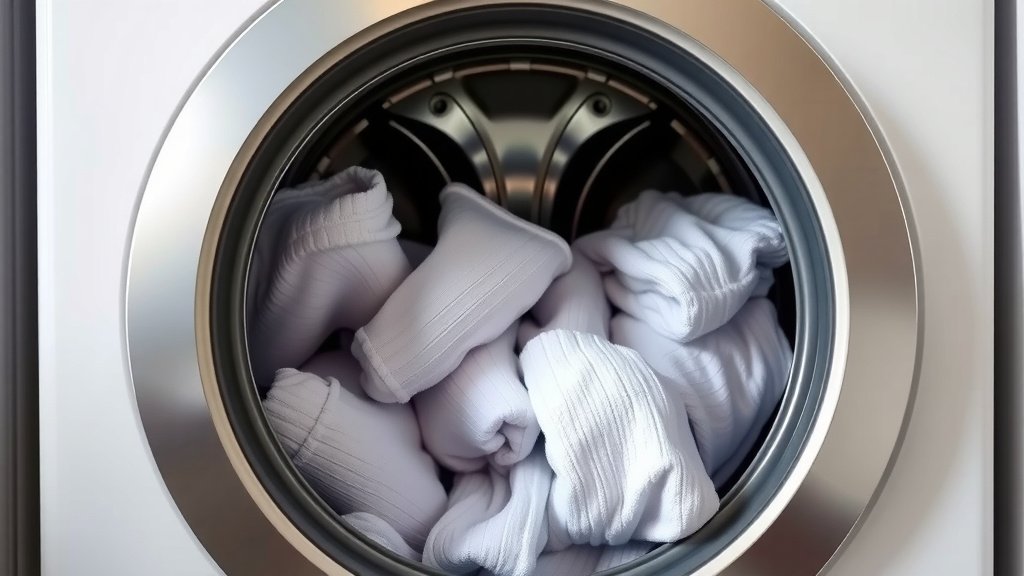
Yes, you can stuff a good amount of laundry into your front-loader, but there’s a sweet spot! Overfilling your machine can lead to poor cleaning results and even damage your appliance. The general rule of thumb is to fill it about two-thirds full, leaving enough space for clothes to tumble freely.
Understanding how much laundry to put in your front-loader is key to getting clean clothes. Too little, and you’re wasting water and energy. Too much, and you risk a less-than-sparkling outcome. We found that many people wonder about the ideal load size for peak performance.
- Don’t stuff it too full.
- Aim for about two-thirds capacity.
- Clothes need room to move and rinse.
- Overfilling can harm your machine.
Let’s walk through exactly how to find that perfect load size for your front-loader so your laundry gets as clean as can be.
Maximizing Your Front-Loader’s Capacity: The Art of the Perfect Load
So, you’ve got a shiny new front-loader and you’re ready to tackle that laundry pile. But how much can you *actually* fit in there without messing things up? It’s a common question, and we’ve got the answers to help you get the cleanest clothes possible. The general rule of thumb is to fill your front-loader about two-thirds full. This gives your clothes the space they need to move freely.
When your machine is packed too tightly, it can’t do its job effectively. Think of it like trying to give someone a hug when they’re holding a bunch of balloons – it’s just not going to work well. Your clothes need room to tumble, agitate, and rinse properly. If they’re crammed in, the water and detergent can’t reach every surface, leaving you with less-than-clean results. We found that this two-thirds rule is widely recommended by appliance manufacturers.
Why Load Size Matters for Your Front-Loader
Your front-loader works a bit differently than older top-loading machines. Instead of relying on an agitator in the middle, it tumbles clothes through a smaller amount of water. This is great for saving water and being gentler on your fabrics. However, it means the movement of clothes is absolutely essential for cleaning.
If you overfill the drum, the clothes can’t tumble effectively. They’ll just sort of sit there, getting a weak rinse. This can lead to detergent residue being left behind. We’ve seen studies that indicate poor rinsing can cause fabrics to age faster and even lead to skin irritation for some people (Cleveland Clinic).
On the flip side, putting in too few clothes is also a missed opportunity. You’ll be using the same amount of water and energy for a much smaller load. This isn’t efficient and can actually cost you more in the long run. Finding that sweet spot is key to both clean clothes and a happy wallet.
Understanding the Two-Thirds Rule
You might be wondering, “What exactly does two-thirds full look like?” It’s not about packing items in until you can’t see any more space. Instead, it’s about how the clothes sit loosely in the drum.
Visualizing the Ideal Load
Imagine your washing machine drum. You want to be able to easily toss in a few more items without having to push them down. If you can see the bottom of the drum through the clothes, it’s likely too empty. If you can’t see much of the bottom at all, and the clothes are pressed up against the door, it’s probably too full.
A good way to check is to put your hand on top of the load. You should be able to push down and have some give. If the clothes feel completely solid and unmoving, you’ve likely overstuffed it. We found that many people tend to err on the side of overfilling, thinking more clothes mean fewer loads. But the cleaning quality suffers.
What About Bulky Items?
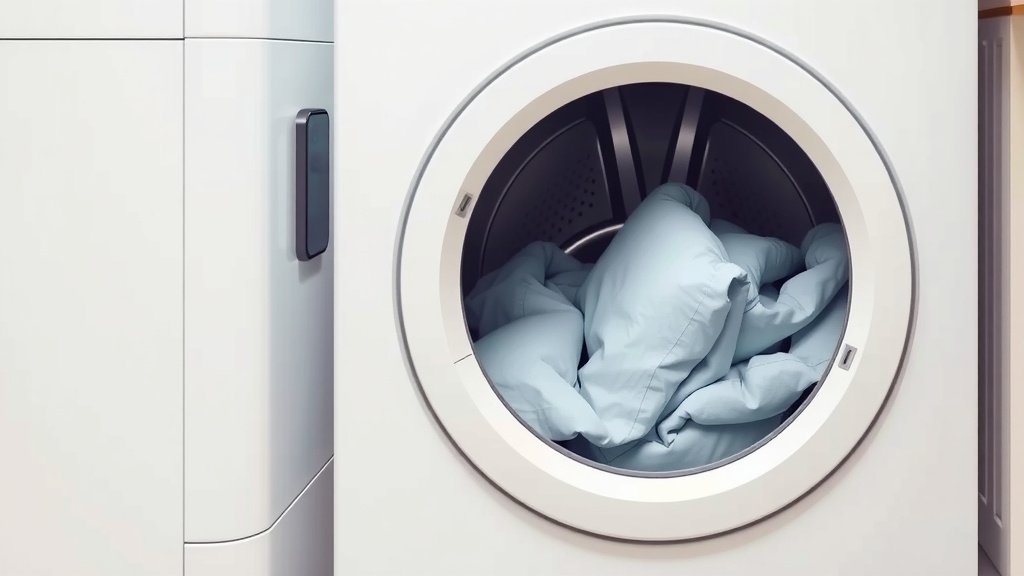
Items like comforters, blankets, and sleeping bags are a special case. These tend to absorb a lot of water and can expand significantly. For these, you’ll need to leave even more space. Many experts suggest washing them alone or with just one or two small, complementary items. If a bulky item fills the drum when dry, it’s definitely too big for that load.
The Impact of Different Fabric Types
Different fabrics have different densities and take up varying amounts of space. A load of heavy towels will weigh more and take up more room than a load of lightweight t-shirts. You’ll need to adjust your load size accordingly.
For instance, when washing jeans or other heavy cotton items, you’ll probably be able to fit fewer pairs than you would with lighter synthetic fabrics. Always aim for that two-thirds loosely packed rule, regardless of the fabric type. We found that people often underestimate how much space heavier items take up once wet.
Signs You’re Overloading Your Front-Loader
Your washing machine will often give you clues if you’re packing it too full. Paying attention to these signs can save you from potential problems down the line.
Poor Cleaning Performance
This is the most obvious sign. Are your clothes still dingy after a wash? Do you see streaks of detergent or fabric softener? These are clear indicators that the water and soap aren’t circulating properly. You might need to reduce your load size.
Longer Drying Times
If your clothes come out of the washer still saturated, it means they didn’t spin out enough water. An overloaded machine can’t balance itself properly during the spin cycle. This leads to clothes taking much longer to dry, whether you use a dryer or hang them up.
Unusual Noises or Vibrations
When a front-loader is overloaded, especially with heavier items, it can become unbalanced. This can cause the machine to shake excessively or make loud banging noises. We found that excessive vibration is a common complaint from those who consistently overload their machines. This puts unnecessary strain on the drum and suspension system.
Detergent Residue and Odors
As mentioned, inadequate rinsing is a major issue with overloaded machines. You might notice a grayish film on your clothes or a musty smell. This happens because detergent and dirt are not being fully washed away. Many sources suggest that proper load size is critical for effective rinsing (Consumer Reports).
Tips for Perfect Front-Loader Loads
Getting your load size right is simpler than you might think. Here are a few easy tips to help you:
- Don’t Pack Tightly: Always ensure clothes can move freely.
- Visual Check: Aim for the drum to be about two-thirds full of loosely packed clothes.
- Hand Test: You should be able to push down on the load with some give.
- Separate by Weight: Mix heavy and light items carefully, or wash them separately.
- Bulky Items Rule: Give comforters and blankets plenty of space.
- Listen to Your Machine: Pay attention to strange noises or vibrations.
By following these simple guidelines, you can ensure your front-loader performs at its best, delivering sparkling clean clothes every time. It takes a little practice, but soon you’ll instinctively know the perfect amount to load.
Conclusion
You’ve learned that finding the right laundry load size for your front-loader is more art than science. It’s not about cramming in as much as possible, but about giving your clothes room to breathe and tumble. Aiming for about two-thirds full ensures proper cleaning and rinsing. This simple adjustment prevents detergent residue, reduces wear on your clothes, and keeps your machine running smoothly. Start practicing the two-thirds rule today, and you’ll soon see a noticeable difference in your laundry’s cleanliness and your machine’s performance.
Frequently Asked Questions
How do I know if I’m overfilling my front-loader if I can’t see the bottom?
If you can’t easily see the bottom of the drum when clothes are in it, you’re likely overfilling. When you place your hand on top of the load, you should feel some ‘give’ as if pushing down on loosely packed items. If the load feels solid and unmoving, it’s too full.
Can I mix heavy items like towels with lighter clothes in a front-loader?
It’s generally better to avoid mixing very heavy items with lightweight ones in the same load. Heavy items absorb more water and can pack down, preventing lighter clothes from moving freely and rinsing properly. We found it’s best to separate them or ensure only a few heavy items are included with similar weight fabrics.
What happens if I wash only one or two items in my front-loader?
Washing too few items is inefficient. You’ll use the same amount of water and energy as a fuller load, but with fewer items cleaned. This wastes resources and isn’t cost-effective. Your machine also needs a certain amount of weight for proper balance during the spin cycle.
How does a bulky item like a king-size comforter affect load size?
Bulky items are special cases because they absorb a lot of water and expand greatly. For things like comforters, you should leave much more space in the drum than you normally would, possibly washing it alone. If a dry comforter fills your machine’s drum, it’s too big for that load.
Why do my clothes sometimes come out of the washer still wet if I didn’t overfill?
If your clothes are still saturated after a wash, even if you didn’t think you overfilled, it could be a balancing issue during the spin cycle. Overloading can prevent the machine from spinning effectively, but an underloaded machine or an uneven distribution of weight can also cause this. Try redistributing the load for better spin performance.
![7 Best Front Load Washer And Dryer Stackable [In 2026]](https://homeunderstandable.com/wp-content/uploads/2026/08/7-best-front-load-washer-and-dryer-stackable-in-2026-featured-768x432.jpg)
![7 Best Washer Dryer Combo For Small Apartment [In 2026]](https://homeunderstandable.com/wp-content/uploads/2026/08/7-best-washer-dryer-combo-for-small-apartment-in-2026-featured-768x432.jpg)