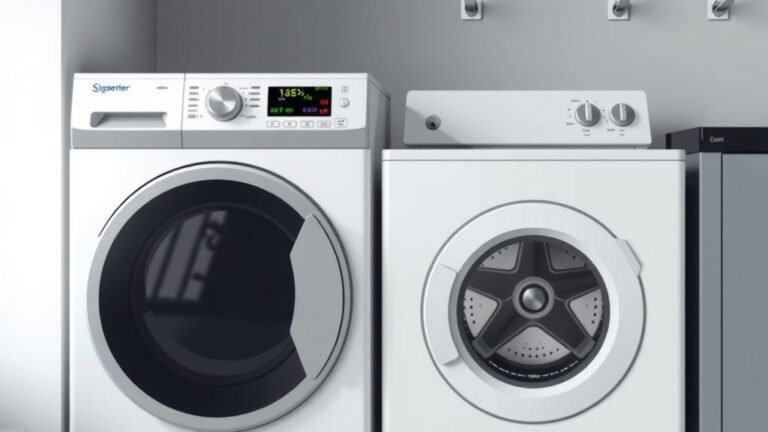
How Much to Fill Your Front Load Washer Correctly
When filling your front load washer, you should generally aim to fill it about two-thirds full with laundry. Avoid stuffing the drum too tightly, as this can prevent clothes from tumbling freely and getting properly clean. A loosely packed load ensures better water circulation and more effective washing.
Understanding how much to fill your washing machine is key to achieving clean clothes and maintaining your appliance. Overfilling can lead to poor cleaning performance and even damage your machine over time. Underfilling, while less common as a problem, can also be inefficient. We’ve researched the best practices for loading your front loader to ensure optimal results.
- Don’t stuff your washer drum.
- Aim for about 2/3 full for most loads.
- Ensure clothes can tumble freely.
- Overfilling hinders cleaning and can damage the machine.
- Underfilling is less common but can be inefficient.
Let’s walk through exactly how to get your front load washer loaded correctly, so your clothes come out fresh and your machine stays happy.
How Full Should Your Front Load Washer Be?
Knowing the right fill level for your front load washer is like knowing just how much spice to add to a recipe. Too little, and the flavor (or cleaning power) is weak. Too much, and it’s overwhelming and can ruin the dish (or your clothes and machine).
For most front load washers, you’re aiming for the drum to be about two-thirds full. Think of it like packing a suitcase – you want to fit things in, but not jam it so tight that nothing else can move. This gentle guideline ensures your clothes have room to move.
The Importance of Proper Load Size
Why is this “two-thirds full” rule so important? It all comes down to how front loaders work. Unlike top-load washers with an agitator, front loaders rely on gravity and tumbling action to move clothes through the water. This tumbling motion is what gets your clothes clean.
If you stuff the drum too full, your clothes can’t tumble effectively. They’ll just sort of sit there, clumped together. This means water and detergent won’t be able to reach all the fabric surfaces. You’ll likely end up with dirty spots on your garments, especially in the middle of the pile.
Consequences of Overfilling Your Washer
Overfilling doesn’t just mean less clean clothes. It can also put a serious strain on your washing machine. Think of it like trying to lift something too heavy; you risk injuring yourself. Your washer’s motor and drum bearings can be damaged by the excess weight and friction.
Many repair technicians report seeing machines with worn-out parts simply because they were consistently overloaded. This can lead to expensive repairs or even the need to replace the entire machine prematurely. So, it’s worth taking that extra minute to ensure you aren’t packing it too tight.
What Happens When You Underfill?
While overfilling is the more common issue, underfilling can also be a problem, though less severe. If you only put a few items in, you might be using more water and energy than necessary for such a small load. Most modern washers are pretty good at adjusting water levels, but it’s still generally more efficient to wait until you have a reasonable amount of laundry.
Many manufacturers recommend running a full load whenever possible for the best efficiency. However, “full” doesn’t mean “stuffed.” It means enough items to create a good tumbling action without overcrowding the drum. It’s a delicate balance, but you’ll get the hang of it.
Visualizing the “Two-Thirds Full” Rule
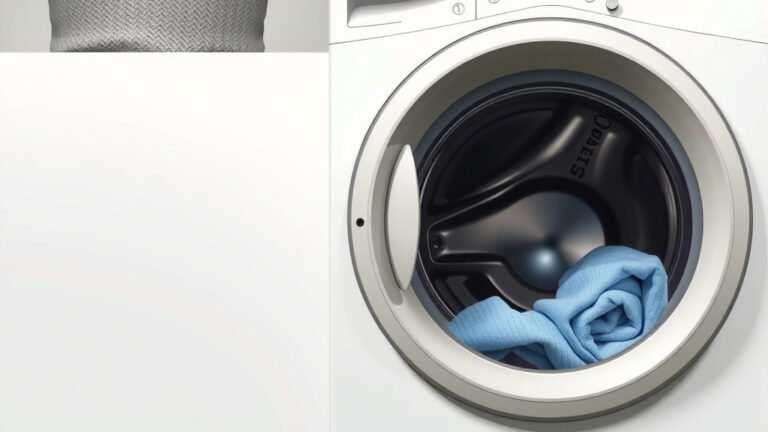
Let’s get specific about what “two-thirds full” actually looks like. Imagine your washer drum is a big doughnut. You want to fill the hole and the doughnut itself, but you don’t want the clothes spilling out over the top edge of the drum. You should be able to easily slide your hand in on top of the load.
If you have to push down hard to close the door, it’s probably too full. Your clothes should have plenty of space to fall from one side of the drum to the other as it spins. They need room to breathe and move freely.
Different Fabric Types and Load Sizes
Does the type of fabric matter? Yes, it does! Heavier items like towels and jeans take up more space and add more weight. You’ll likely need to wash fewer of these items at a time to avoid overfilling. On the other hand, lighter items like t-shirts and pillowcases are less bulky.
Delicate fabrics also need extra space. They require gentler tumbling, and cramming them in can cause them to stretch or snag. Always check the care labels on your clothing for specific washing instructions. These labels are your best friend for garment longevity.
Bulky Items: A Special Consideration
What about really bulky items like comforters or sleeping bags? These can be tricky. While some machines have a “bulky” setting, it’s often best to wash only one large item at a time. If you try to stuff multiple bulky items in, they won’t get clean, and they can seriously imbalance the machine during the spin cycle.
An unbalanced load can cause excessive shaking and noise. In severe cases, it can even cause the machine to “walk” across the floor. If a bulky item feels too large to allow other items to tumble around it, it’s probably too big for the load.
Achieving the Perfect Wash Load: A Checklist
To help you nail the perfect load size every time, here’s a quick checklist you can follow:
- Check the care labels: Always look for washing instructions on your garments first.
- Visualize the space: Aim to fill the drum about two-thirds full.
- Hand test: You should be able to easily slide your hand on top of the laundry pile.
- Don’t force the door: If you have to push to close the door, it’s too full.
- Consider item weight: Lighter items allow for larger loads than heavy ones.
- One bulky item rule: For things like comforters, wash only one at a time.

Understanding Your Washer’s Capacity
Washing machine capacity is usually measured in cubic feet. A larger capacity machine can handle bigger loads. However, even a large machine can be overfilled. Don’t fall into the trap of thinking “bigger machine means I can stuff more in.” The principle of free tumbling remains the same.
We found that many people aren’t sure of their washer’s exact capacity. You can usually find this information in your user manual or by checking the manufacturer’s website. Knowing your machine’s capacity can help you better gauge what constitutes a “normal” load versus an overloaded one.
When in Doubt, Err on the Side of Less
If you’re ever unsure whether your load is too big, it’s always better to remove a few items. It’s far easier to do a second, smaller load than it is to deal with clothes that aren’t clean or a washing machine that’s making unhappy noises. Think of it as giving your clothes and your machine a little breathing room.
Many experts agree that preventing overfilling is one of the simplest yet most effective ways to ensure your front load washer performs optimally. This simple habit can save you money on energy, water, and potential repairs over the life of your appliance. Plus, your clothes will come out looking and feeling much cleaner!
Conclusion
You’ve learned that a properly filled front load washer is key to clean clothes and a healthy machine. Remember to aim for about two-thirds full, allowing clothes to tumble freely. Overfilling leads to poor cleaning and potential damage, while underfilling can be inefficient. By visualizing the space and considering fabric types, you can easily achieve the perfect load size.
Your next step? Before your next laundry day, take a moment to assess your load. If you’re ever in doubt, it’s always better to remove a few items. This simple habit will ensure your washer runs efficiently and your clothes come out sparkling clean every time!
Frequently Asked Questions
Can I wash a single item in my front load washer?
While you can wash a single item, it’s generally less efficient. Modern front load washers are designed for optimal performance with a reasonably full load. Washing just one item may use more water and energy than necessary for such a small amount of laundry. It’s usually best to wait until you have a few more items to create a more balanced and efficient load.
How do I know if my front load washer is too full?
A good test is the hand test: you should be able to easily slide your hand on top of the laundry pile. If you have to push down hard to close the door, it’s definitely too full. Your clothes should have plenty of room to move and fall freely from one side of the drum to the other as it spins. Forcing the door shut is a clear sign of overfilling.
What is the “tumble freely” rule for front load washers?
The “tumble freely” rule means your clothes need enough space in the drum to move around with ease during the wash cycle. Front load washers clean by tumbling clothes through water. If the drum is too packed, clothes can’t tumble properly, preventing water and detergent from reaching all surfaces, leading to less effective cleaning. Give your clothes room to breathe!
Does the type of fabric really affect how much I can wash?
Yes, it absolutely does! Heavier fabrics like denim jeans or thick towels take up more space and add significant weight. You’ll need to wash fewer of these items at once to avoid overfilling the drum. Lighter items like t-shirts or socks are less bulky, allowing you to fill the drum closer to the two-thirds mark without issue.
What if my bulky item (like a comforter) won’t fit easily?
If a bulky item feels too large to allow other items to tumble around it, or if it seems to completely fill the drum on its own, it’s likely too big for your machine. It’s best to wash only one large item at a time. Trying to force multiple bulky items in can lead to poor cleaning, excess noise, and severe imbalance during the spin cycle, potentially damaging your washer.

![7 Best Apartment Size Washer [In 2026]](https://homeunderstandable.com/wp-content/uploads/2026/08/7-best-apartment-size-washer-in-2026-featured-768x432.jpg)