Front Load Washer Loading Tips: Get Clothes Clean September 2026
Loading your front-loading washing machine correctly is essential for cleaner clothes and a longer-lasting machine. Simply toss your laundry into the drum, making sure not to overload it. This ensures water and detergent can circulate properly. You’ll achieve much better results this way.
Many people wonder if there’s a specific way to load these machines. Research shows that proper loading prevents excessive wear and tear on your washer’s components. It also helps avoid unbalanced loads, which can cause noisy operation and damage over time. Following a few simple steps makes a big difference.
- Don’t overfill the drum.
- Distribute clothes evenly.
- Check pockets for items.
- Separate colors and fabric types.
- Use the right amount of detergent.
Let’s walk through exactly how to load your front-loading washer step by step so you can get the best clean every time.
Getting the Most Out of Your Front Loader
Loading your front-loading washing machine the right way is super important. It’s not just about getting your clothes clean. It’s also about making sure your washer lasts a long time. We’ll guide you through the simple steps to load it up perfectly every single time. You’ll be amazed at the difference it makes.
Preparing Your Laundry for the Wash
Before you even think about tossing clothes into the machine, a little prep work goes a long way. Think of it as setting the stage for a stellar cleaning performance.
Check Those Pockets!
This might sound obvious, but so many problems start with something small left in a pocket. Coins, keys, lip balm, even tissues can cause big issues. Coins can scratch the drum. Keys can snag on clothes. Lip balm can leave greasy marks that are tough to remove. Tissues? Well, they turn into a fluffy mess that sticks to everything. We found that a quick pocket check saves a lot of headaches down the line (Consumer Reports).
Sort Your Loads Wisely
Sorting isn’t just for Grandma anymore! It’s a key step for preventing color bleeds and protecting different fabric types. Separate your whites, lights, and darks. Also, think about fabric weight. Heavy items like towels and jeans shouldn’t be washed with delicate blouses. Mixing them can lead to tears or stretching. Many laundry guides recommend washing similar fabrics together for the best results.
Zip Up, Button Down, and Turn Things Inside Out
Taking a few extra seconds here can protect your clothes. Zip up all zippers to prevent them from snagging on other items. Button up buttons to keep them from coming loose or damaging the fabric. For items with prints or embellishments, turning them inside out can help preserve the design. We found that these small actions help keep your clothes looking newer for longer.
How to Actually Load the Drum
Now that your laundry is prepped, it’s time to put it in the machine. The drum of a front loader is designed differently than a top loader. It tumbles clothes rather than using an agitator. This means the way you load it matters.
The “Don’t Overload” Rule
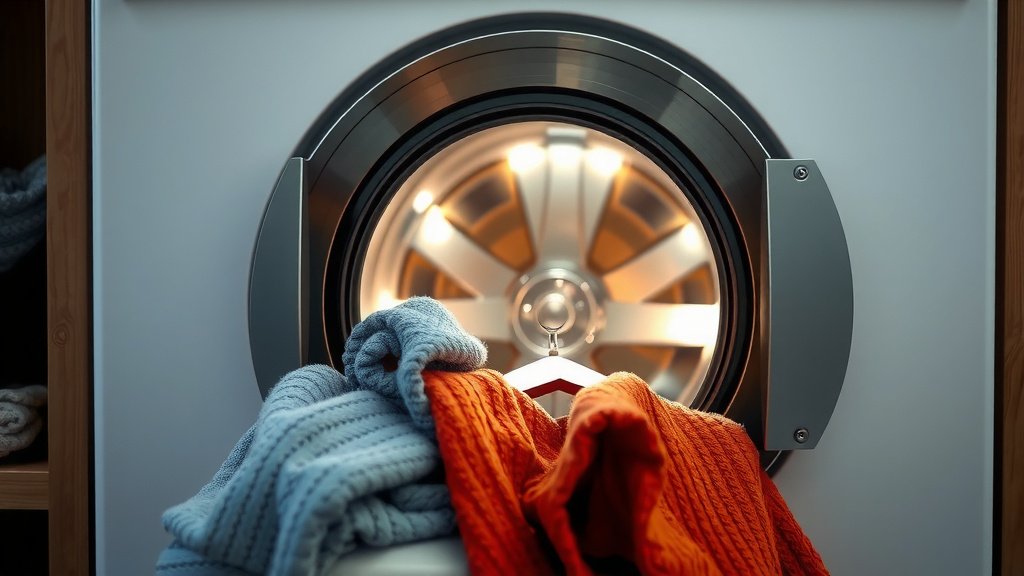
This is the golden rule for front loaders. You need to leave plenty of space for the clothes to move freely. Think of it like a big hug for your clothes, not a wrestling match. If you cram too much in, water and detergent can’t circulate properly. This means your clothes won’t get clean. Plus, it puts extra strain on the machine’s motor and bearings. We found research suggesting that overloading is a leading cause of premature washer failure.
Aim for About 75% Full
A good rule of thumb is to fill the drum only about three-quarters of the way full. You should be able to easily toss a single sock on top of the load without having to force it down. If the clothes are piled high, it’s too much. This ensures there’s enough room for the water and detergent to do their job effectively.
Distribute the Load Evenly
Once you’ve added your clothes, give them a gentle spread around the drum. Don’t just dump everything in one big clump. If you have a mix of large and small items, try to distribute them. This helps prevent the load from becoming unbalanced during the spin cycle. An unbalanced load can cause the machine to shake violently and make a lot of noise. Many appliance manuals stress the importance of an even distribution.
What About Large Items?
Washing bulky items like comforters or large blankets can be tricky. If your machine is on the smaller side, these items can easily throw off the balance. For very large items, it’s often best to wash them alone. If you’re washing multiple bulky items, try to balance them as best you can. For example, if you have one comforter, adding a couple of towels can help distribute the weight. You might also consider a trip to a laundromat for industrial-sized machines if your home unit struggles.

Detergent and Additives
The type and amount of detergent you use are just as important as how you load the machine. Front loaders use less water, so they require a specific type of detergent.
Always Use HE Detergent
Front-loading washers are designed for High-Efficiency (HE) detergents. These detergents are formulated to produce fewer suds. Too many suds can be a problem in a front loader. They can cushion the clothes, preventing them from tumbling properly. They can also leave residue on your clothes and inside the machine. Using regular detergent can actually damage your washer over time. Many experts agree that HE detergent is non-negotiable.
Measure Your Detergent Correctly
It’s a common mistake to think more detergent means cleaner clothes. That’s rarely the case. Too much detergent can lead to the same sudsy problems as using the wrong type. It can also leave a stiff, dingy feeling on your clothes. Always follow the detergent manufacturer’s recommendations. Your washing machine manual will also have guidance on detergent amounts. We found that using the correct measurement ensures optimal cleaning without excess residue.
Where to Put the Detergent
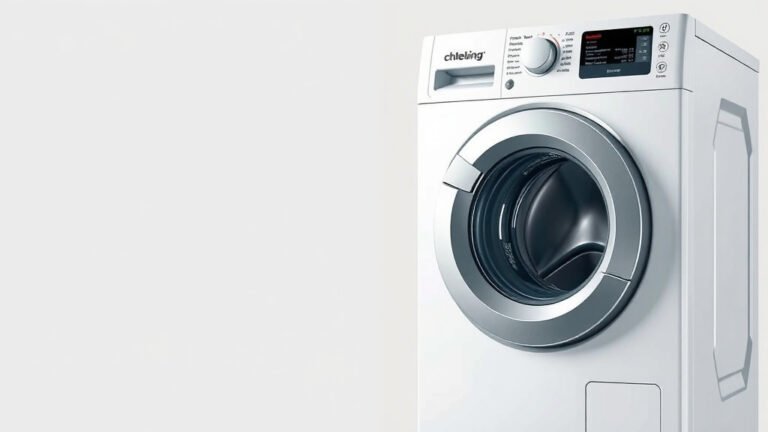
Your front loader has specific dispenser drawers for detergent and fabric softener. These are usually located at the top of the machine. There are typically compartments for pre-wash, main wash, and fabric softener. Make sure you’re putting the detergent in the correct compartment for the wash cycle you’re using. Using the wrong one means the detergent won’t be dispensed at the right time. Check your manual if you’re unsure where each goes.
Quick Checklist for Loading Success
Here’s a quick recap to make loading your front loader a breeze:
- Check pockets for coins, keys, and tissues.
- Sort clothes by color and fabric type.
- Zip zippers, button buttons, and turn prints inside out.
- Don’t fill the drum more than 75% full.
- Distribute clothes evenly around the drum.
- Use only High-Efficiency (HE) detergent.
Conclusion
You’ve learned how to load your front-loading washer like a pro! By sorting your laundry, checking pockets, and not overloading the drum, you ensure a cleaner wash and a healthier machine. Remember the 75% full rule and to distribute clothes evenly. Always use HE detergent. Following these steps will lead to brighter clothes and fewer repair calls. Your next load will be your best one yet. Go ahead and try these tips on your very next wash!
Frequently Asked Questions
What happens if I overload my front-loading washer?
Overloading your front-loading washer can lead to several problems. Your clothes won’t get as clean because detergent and water can’t circulate properly. It also puts unnecessary strain on your machine’s motor and bearings, potentially shortening its lifespan.
Can I use regular detergent in my front loader?
No, you should not use regular detergent in a front-loading washer. These machines require High-Efficiency (HE) detergent, which produces fewer suds. Regular detergents create too much suds, which can prevent clothes from tumbling effectively and leave residue inside your machine.
How do I know if my front loader is overloaded?
A good visual cue is the 75% full rule. If you can’t easily toss a single sock on top of the load without forcing it down, it’s likely too full. If clothes are piled high and packed tightly, you’ve probably overloaded it.
Is it okay to wash just one or two items in my front loader?
While you can wash a few items, it’s generally best to wait until you have a load that fills the drum about 50-75% full. Washing very small loads can sometimes lead to an unbalanced spin cycle, causing excessive shaking and noise.
Should I put detergent directly on my clothes in a front loader?
No, never put detergent directly on your clothes in a front loader. Always use the designated dispenser drawer. This ensures the detergent is released at the correct time during the wash cycle for optimal cleaning performance.