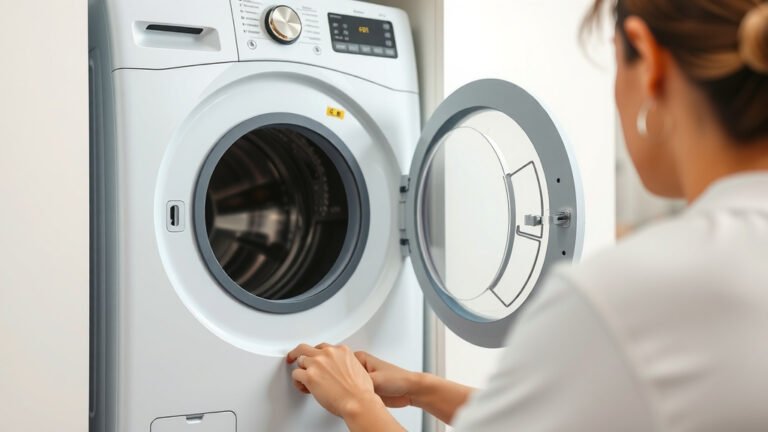
How to Wash Your Front Loader Washing Machine
The easiest way to wash your front-loader washing machine is to use a specialized washing machine cleaner or a mixture of vinegar and baking soda. Running a hot water cycle with these cleaning agents helps break down soap scum, mold, and mildew. This simple process keeps your machine smelling fresh and your clothes cleaner.
A dirty washing machine can lead to smelly clothes and even transfer residue to your laundry. Regular cleaning prevents the buildup of grimy residue in the drum and rubber seal. Many experts recommend this basic maintenance to ensure your appliance performs optimally and lasts longer.
- Run a hot cycle with cleaner.
- Wipe down the rubber seal.
- Clean the detergent dispenser.
- Check and clean the filter.
- Leave the door ajar.
Ready to give your washing machine the spa day it deserves? Let’s walk through exactly how to get it sparkling clean, step by step.
How to Deep Clean Your Front-Load Washer
Is your front-load washing machine looking a little dingy? Maybe it’s not smelling as fresh as it used to. Don’t worry, it happens to the best of us! Keeping your washing machine clean is essential for keeping your clothes truly clean. A dirty machine can harbor mold and mildew, which can transfer odors and even stains to your laundry. Let’s get it sparkling again.
The Best Methods for Cleaning Your Washing Machine Drum
The drum is where all the action happens, and it needs a good scrub now and then. We’ll cover two highly effective methods: using a specialized cleaner or a DIY vinegar and baking soda approach. Both are great at tackling grime and odor.
Method 1: Using a Washing Machine Cleaner
There are many commercial washing machine cleaners available. These are formulated to break down stubborn soap scum and mineral buildup. They are a convenient option if you prefer a ready-made solution.
To use one, simply follow the product’s instructions. Typically, you’ll add a tablet or liquid directly into the drum. Then, run your washing machine on its hottest water cycle. A long, hot wash is key for dissolving the gunk. Many experts recommend doing this monthly.
Method 2: The Vinegar and Baking Soda Power Duo
Looking for a more natural approach? Vinegar and baking soda are fantastic cleaning agents. They work together to deodorize and scrub away residue.
First, sprinkle about half a cup of baking soda directly into the empty drum. Close the door and run a normal cycle with hot water. Once that cycle is complete, pour about two cups of white vinegar into the detergent dispenser. Run another hot water cycle. The vinegar will help kill bacteria and remove soap scum.
Why does this work? Vinegar is acidic, which helps break down mineral deposits and kill mold and mildew. Baking soda is a mild abrasive and a natural deodorizer. Together, they make a powerful cleaning team. This method is often recommended by appliance repair technicians.
Don’t Forget the Rubber Door Seal!
This is where things can get seriously moldy. The rubber gasket around the door traps moisture. This moisture is a breeding ground for mold and mildew, which can look like black spots.
You’ll need a soft cloth and your chosen cleaning solution. Dampen the cloth with a mixture of water and a little bit of vinegar or mild dish soap. Gently wipe down the entire rubber seal. Be sure to pull back the folds of the seal to get all the hidden gunk. It might take a little effort, but it’s worth it.
After wiping, dry the seal thoroughly with a clean, dry cloth. This simple step makes a big difference in preventing smells. Many sources, like consumer reports, suggest this is a common area where buildup occurs.
Cleaning the Detergent Dispenser Drawer
Residue can build up in the detergent and fabric softener compartments. This can clog the dispenser and even cause mold growth.
Most dispenser drawers can be removed. Check your washing machine’s manual for specific instructions. Once removed, wash the drawer with warm, soapy water. Use an old toothbrush or small brush to get into any nooks and crannies. Rinse thoroughly and dry completely before putting it back.
If the drawer is difficult to remove or you prefer not to, you can clean it in place. Use a damp cloth or sponge with a bit of vinegar to wipe it down. Run an empty hot cycle afterwards to rinse away any loosened residue.
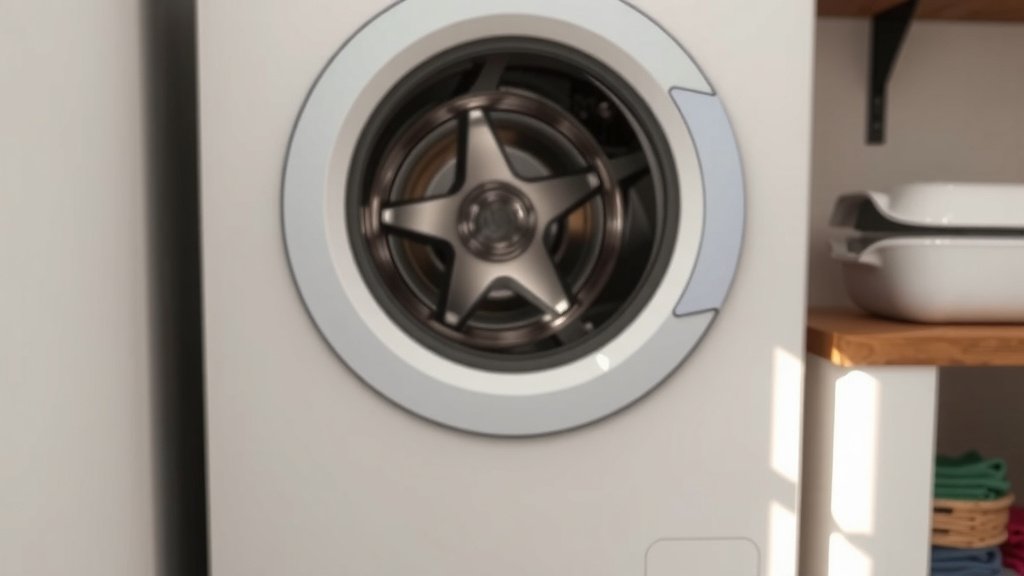
Checking and Cleaning the Drain Pump Filter
This little filter catches lint, coins, and other small items. If it gets clogged, your machine might not drain properly. It can also cause odors.
Locate the filter. It’s usually behind a small panel at the bottom front of the machine. You’ll want a shallow pan or towels handy because some water will likely spill out when you open it. Carefully unscrew or open the filter. Remove any debris and rinse the filter under running water. Wipe down the housing before replacing the filter securely.
Many appliance manuals suggest checking this filter every few months. It’s a simple maintenance task that can prevent bigger problems down the line.
A Quick Checklist for Sparkling Clean Results
Ready for a clean machine? Follow these quick steps:
- Run a hot cycle with a cleaner or vinegar/baking soda.
- Thoroughly wipe down the rubber door seal.
- Clean out the detergent dispenser drawer.
- Check and clean the drain pump filter.
- Dry all parts completely.
Maintaining Freshness Between Deep Cleans
Keeping your washing machine clean isn’t just a one-time event. A few simple habits can keep it smelling fresh and performing well between deeper cleans.
The most important tip? Leave the door ajar between washes. This allows air to circulate and dry out the drum and seal. Trapped moisture is the enemy of a fresh-smelling washer. It might seem simple, but this makes a huge difference.
Also, try to wipe down the rubber seal after each laundry day, especially if you notice any dampness. And avoid using too much detergent; excess soap can lead to buildup. Using the recommended amount ensures your machine rinses properly.
| Component | Recommended Cleaning Frequency | Cleaning Method |
|---|---|---|
| Washing Machine Drum | Monthly | Hot cycle with cleaner or vinegar/baking soda |
| Rubber Door Seal | Weekly or after each wash day | Wipe with damp cloth, dry thoroughly |
| Detergent Dispenser | Monthly | Remove and wash, or wipe in place |
| Drain Pump Filter | Every 2-3 months | Remove, clean debris, rinse |
Conclusion
You’ve learned how to give your front-load washing machine a much-needed deep clean. By tackling the drum, rubber seal, dispenser, and filter, you’re ensuring your machine runs efficiently and smells fresh. Consistent maintenance prevents build-up and keeps your clothes cleaner. Don’t forget the simple habit of leaving the door ajar between uses to allow for proper air circulation. Now, go ahead and schedule your next cleaning session to keep your washer in top shape!
Frequently Asked Questions
How often should I clean my washing machine drum?
Most experts recommend cleaning your washing machine drum about once a month. This regular cleaning helps prevent the buildup of soap scum, mold, and mildew. It ensures your machine operates at its best and keeps your laundry fresh.
Can I use bleach to clean my front-load washer?
While bleach can kill mold, it’s often too harsh for the rubber seals and internal components of front-load washers. Many manufacturers advise against using bleach as it can degrade these parts over time. Vinegar or specialized cleaners are safer, more effective options.
Why does my washing machine smell even after cleaning?
A persistent smell often means moisture is trapped somewhere. Double-check that you’ve thoroughly dried the rubber seal and left the door ajar. If the smell continues, consider cleaning the drain pump filter, as lint and debris can cause odors there.
What can I do if the rubber seal is very black with mold?
For heavy mold on the rubber seal, you might need a stronger solution than just vinegar. Try a paste of baking soda and water, or a diluted bleach solution (if your manual allows and you rinse very thoroughly). Gently scrub with an old toothbrush and wipe clean, ensuring you reach into all the folds.
Is it really necessary to clean the detergent dispenser?
Yes, cleaning the detergent dispenser is important. Residue from detergent and fabric softener can build up, clog the compartments, and even encourage mold growth. Regularly removing and cleaning the drawer, or wiping it down in place, ensures proper dispensing and prevents odors.
![7 Best Deal Washer And Dryer [In 2026]](https://homeunderstandable.com/wp-content/uploads/2026/08/7-best-deal-washer-and-dryer-in-2026-featured-768x432.jpg)
![7 Best Apartment Size Washer And Dryer [In 2026]](https://homeunderstandable.com/wp-content/uploads/2026/08/7-best-apartment-size-washer-and-dryer-in-2026-featured-768x432.jpg)