
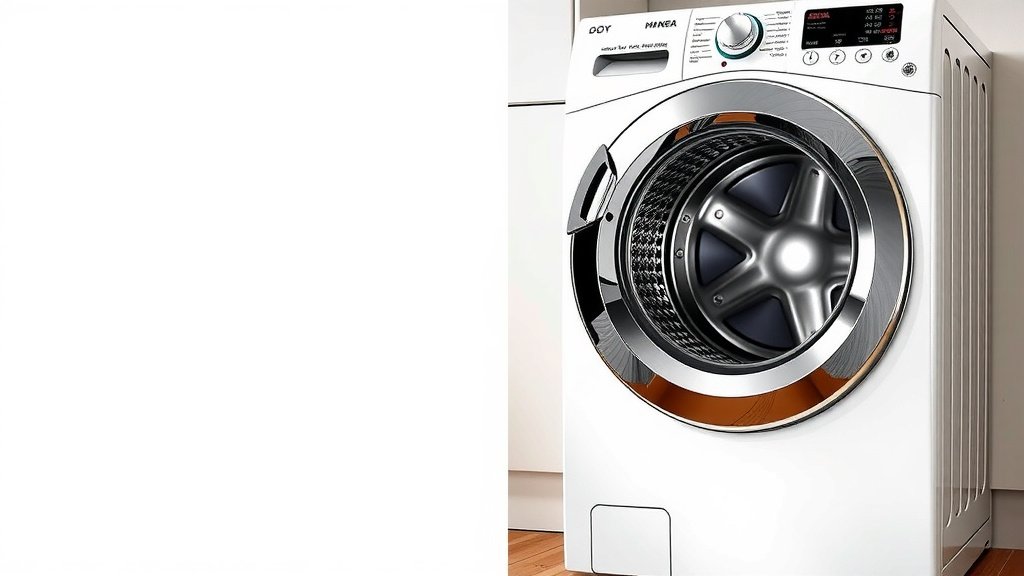
Full Front Loading Washing Machine Guide: Benefits & How-Tos
Front loading washing machines are an excellent choice for most households, offering superior cleaning performance and energy efficiency. They use less water than top loaders, which can lead to lower utility bills. You’ll also find they are generally gentler on your clothes, helping them last longer.
These machines work by tumbling clothes through a small amount of water at the bottom of the drum. This action is highly effective at removing dirt and stains. Many models also come with advanced features like steam cycles and sanitizing options for even cleaner results. Plus, they often have larger capacities than traditional machines.
- Front loaders clean clothes effectively.
- They use less water and energy.
- They are gentler on fabrics.
- Many models offer advanced cleaning features.
- They typically have larger drum capacities.
Ready to dive deeper? Below, we’ll walk you through exactly how these machines operate and what makes them so popular.
How Your Front Loader Washing Machine Works Its Magic
You might be wondering what makes these front-loading washers tick. They seem so simple, but they get clothes remarkably clean. It’s all about a smart design that uses gravity and a gentle tumbling action. This method is different from older top-loaders. Let’s break down the process step-by-step so you can see the genius behind it.
The Basic Wash Cycle: A Tumbling Triumph
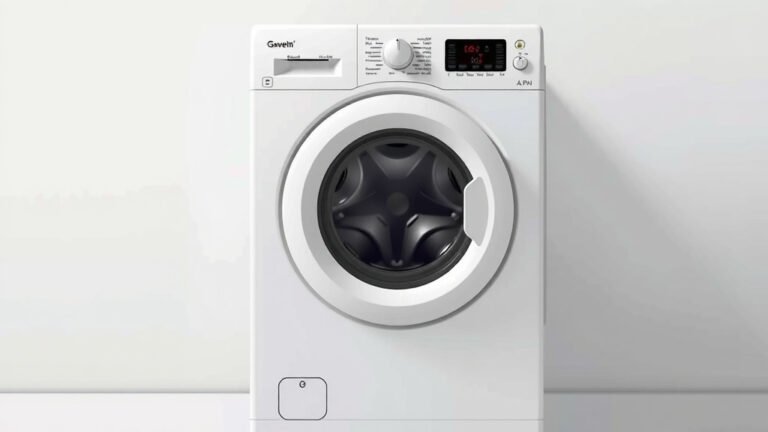
The core of a front-loader’s cleaning power lies in its drum. Unlike top-loaders where clothes might sit in water, front-loaders have a horizontal drum. When you start a wash cycle, the drum begins to rotate. It lifts your clothes up.
The Lift and Drop Action
As the drum spins, it lifts your clothes towards the top. Then, gravity takes over. Your clothes tumble down through a small amount of water at the bottom of the machine. This repeated lifting and dropping action is the main way dirt is scrubbed away. Think of it like a gentle, consistent massage for your laundry.
Water Usage: Less is More
One of the biggest advantages is how little water they use. Front-loaders only need enough water to moisten the clothes and create a solution with the detergent. This is why they are so energy efficient. Less water to heat means less energy used overall. Many studies confirm this water-saving benefit.
Detergent and Water Mixing
The detergent is mixed with this small water volume at the bottom. As the drum tumbles, clothes are thoroughly exposed to the soapy water. This ensures an even distribution of detergent. It helps lift stains and dirt effectively from all parts of the fabric. You’ll often hear the water sloshing around; that’s normal and part of the cleaning process.
Key Components and Their Roles
Several parts work together to make your front-loader run smoothly. Understanding these can help you appreciate the engineering. It also helps if you ever need to troubleshoot a minor issue.
The Drum and Agitator (or Lack Thereof)
The large, perforated metal drum is where your clothes go. Its horizontal orientation is key. Unlike older top-loaders that had a central agitator post to move clothes, most front-loaders rely on the drum’s rotation and your clothes’ weight to create the necessary friction and movement. This lack of a central agitator is why they are gentler on clothes.
The Motor and Belt System
A motor powers the drum’s rotation. It can spin at various speeds. For the main wash cycle, it rotates slowly. For the spin cycle, it goes much faster to extract water. Older models might use a belt to connect the motor to the drum. Newer ones often have direct-drive motors for quieter operation and fewer parts to wear out.
Water Inlet and Pump System
Water enters the machine through inlet valves connected to your home’s water supply. The pump is crucial for draining dirty water out after the wash and rinse cycles. It also plays a role in recirculating water during some cycles for enhanced cleaning.
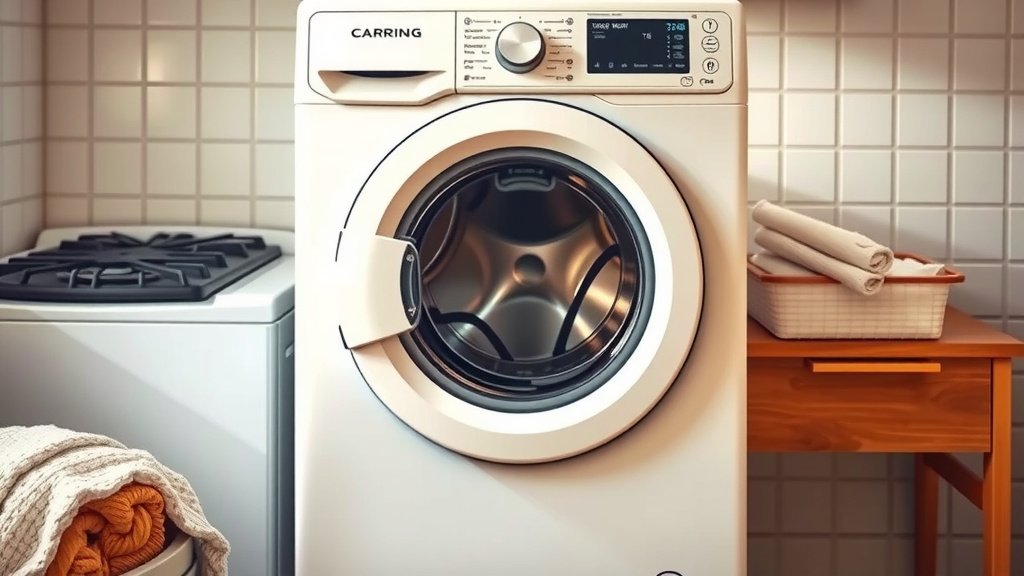
Understanding the Wash Cycles: More Than Just “Wash”
Your front-loader doesn’t just have one setting. It has a range of cycles designed for different needs. Knowing these can help you get the best results for your specific laundry load.
Pre-Wash Options
Some machines offer a pre-wash. This is an optional extra step before the main wash. It’s useful for heavily soiled items. The machine adds a little water and detergent, tumbles briefly, then drains. This helps loosen stubborn dirt before the main cycle begins, making the primary wash more effective.
Main Wash and Rinse
This is where the tumbling action happens. Water and detergent fill the bottom of the drum, and the clothes are lifted and dropped. After washing, the dirty water is pumped out. Then, fresh water enters for the rinse cycle. Again, the tumbling action helps remove any leftover detergent residue. Most machines perform multiple rinses.
The Spin Cycle: Getting Things Dry(er)
This is where your machine really earns its keep in water removal. The drum spins at very high speeds, sometimes over 1,000 revolutions per minute. Centrifugal force pushes the water out of your clothes and through the drum’s perforations. The pump then removes this water. A faster spin speed means clothes come out much drier, cutting down on drying time and energy use in your dryer.
Advanced Features: Taking Cleaning to the Next Level
Modern front-loaders come packed with technology. These features go beyond basic washing to offer specialized care for your clothes.
Steam Cycles for Sanitizing and Wrinkles
Many machines now include steam functions. Steam can be used to sanitize laundry, killing bacteria and allergens without harsh chemicals. It’s great for baby clothes or bedding. Steam can also help relax fabric fibers, reducing wrinkles and making ironing easier. Research indicates steam can be highly effective at removing certain stains and odors.
Specialized Wash Cycles
You’ll find cycles for delicates, activewear, bedding, and more. These cycles adjust water temperature, spin speed, and tumble action to suit the fabric type. This care helps prolong the life of your garments. Using the right cycle is like giving your clothes a tailored spa treatment.
Smart Technology and Connectivity
Some high-end models offer Wi-Fi connectivity. You can start, stop, and monitor cycles from your smartphone. You might even get alerts when a load is done. This adds convenience for busy households. It allows for greater control over your laundry routine.
Here’s a quick checklist to remember the main points:
- Front-loaders use a tumbling action, not an agitator.
- They require less water and energy than many other types.
- The drum spins at high speeds to extract water.
- Various cycles offer specialized care for different fabrics.
- Steam options can sanitize and reduce wrinkles.
- Smart features add convenience for modern living.
Conclusion
You’ve learned how your front-loading washing machine works its magic. It’s the smart tumbling action and efficient water use that make it a champion for clean clothes and your wallet. You can trust its gentle yet powerful cleaning. By understanding its components and cycles, you can get the most out of your machine. Ready to experience perfectly clean laundry? Start by checking your machine’s manual for cycle recommendations. Your clothes will thank you for it!
Frequently Asked Questions
Why do front loaders use less water than top loaders?
Front loaders use less water because their horizontal drum design only needs enough water to saturate the clothes at the bottom. This contrasts with traditional top loaders, which often fill the entire tub. Research shows this water-saving design is key to their energy efficiency.
Can a front loader clean heavily soiled clothes effectively?
Yes, front loaders are very effective. The tumbling action physically rubs clothes against each other, lifting dirt and stains. For extremely dirty items, you can use the pre-wash option or a heavy-duty cycle. Many models also offer steam for extra cleaning power.
How often should I clean my front loader’s drum and gasket?
It’s recommended to clean the drum monthly and the rubber door gasket more frequently, perhaps weekly. This prevents mold and mildew buildup, which can cause odors. Many machines have a self-clean cycle you can run regularly to help keep things fresh.
What does the steam function on a front loader actually do?
The steam function injects hot steam into the drum. This helps to sanitize clothes, killing bacteria and allergens without harsh chemicals. It also loosens fabric fibers to reduce wrinkles. It’s a great feature for delicate items or refreshing clothes between washes.
Is it okay to add detergent directly to the drum?
For most front-loaders, you should add detergent to the designated dispenser drawer. This ensures the detergent is released at the correct time in the cycle. Check your owner’s manual, as some machines might have specific instructions for direct addition, especially for certain types of detergent.

![7 Best Stack Washer Dryer [In 2026]](https://homeunderstandable.com/wp-content/uploads/2026/09/7-best-stack-washer-dryer-in-2026-featured-768x432.jpg)