

Clean Your Front Loader Washing Machine: A Simple Guide
The easiest way to wash your front loader washing machine is to run a hot water cycle with a cleaning agent like vinegar or a specialized washing machine cleaner. This helps to remove mold, mildew, and soap scum buildup that can cause odors and affect performance. Regular cleaning is key to keeping your machine fresh.
Your front loader works hard, but like any appliance, it needs a little TLC. Over time, dampness and detergent residue can lead to unpleasant smells and even affect how clean your clothes get. You might notice a musty odor or visible grime in the door seal. Addressing this promptly ensures your machine runs efficiently and your laundry stays fresh.
- Run a hot water cycle regularly.
- Use vinegar or a dedicated cleaner.
- Don’t forget to clean the door seal.
- Wipe down the drum interior.
- Check and clean the detergent dispenser.
Let’s walk through exactly how to get your front loader sparkling clean, step by step, so you can enjoy fresh-smelling laundry.
Keeping Your Front Loader Sparkling: A Deep Clean Guide
So, your front loader isn’t smelling as fresh as it used to? Don’t worry, you’re not alone. These machines work hard for us, and a little buildup is perfectly normal. We’ll guide you through a thorough cleaning process. You’ll have a super-clean washing machine in no time. Let’s get started!
The Power of Hot Water and a Good Cleaner
The most effective way to tackle odors and grime is by running a cleaning cycle. This uses hot water to break down residue. Many experts recommend using either white vinegar or a specialized washing machine cleaner for this step.
Using White Vinegar: A Natural Disinfectant
White vinegar is a fantastic, natural cleaning agent. It helps to kill bacteria and dissolve mineral deposits. Plus, it’s budget-friendly and readily available.
Step 1: Add the Vinegar
Pour about 2 cups of white vinegar directly into the detergent dispenser. Alternatively, you can pour it into the empty drum. We found that adding it to the dispenser ensures it gets distributed evenly throughout the cycle.
Step 2: Run a Hot Water Cycle
Select the hottest water setting your machine has. A heavy-duty or sanitize cycle works best. Let the machine run through its entire cycle. This hot water will work with the vinegar to scrub away grime.
Using a Washing Machine Cleaner: The Specialized Option
If you prefer a product designed specifically for washing machines, there are many excellent options. These cleaners are formulated to break down detergent residue, mold, and mildew.
Step 1: Follow Product Instructions
Always read and follow the manufacturer’s instructions on the cleaner’s packaging. This is important for safety and effectiveness.
Step 2: Add Cleaner and Run Hot Cycle
Typically, you’ll add the cleaner to the detergent dispenser or directly into the drum. Then, run a hot water cycle, just like you would with vinegar. Many brands suggest running a second hot cycle afterward with no cleaner to rinse away any lingering residue.
Don’t Forget the Door Seal: The Hidden Grime Spot
The rubber door seal, or gasket, is a common culprit for musty smells. Its nooks and crannies trap moisture and debris. This creates a perfect environment for mold and mildew.
Cleaning the Gasket Thoroughly
You’ll need a clean cloth or sponge and your chosen cleaning solution (vinegar mixed with water or a mild detergent). Gently pull back the rubber seal to expose the areas inside. Wipe down all surfaces, paying attention to any folds or creases. You might find dark spots, which are likely mold or mildew. For stubborn spots, let the cleaning solution sit for a few minutes before wiping again. Some experts suggest using an old toothbrush for hard-to-reach areas.
Drying is Key!
After cleaning the seal, use a dry cloth to thoroughly dry all parts of it. Leaving it damp will just encourage mold to grow back quickly. Leaving the door slightly ajar after each use also helps it dry out.
Cleaning the Drum Interior: Beyond the Cycle
Even after a hot water cycle, you might want to give the drum interior a quick wipe. This is especially true if you saw any visible residue during the cycle.
Wipe Down the Drum
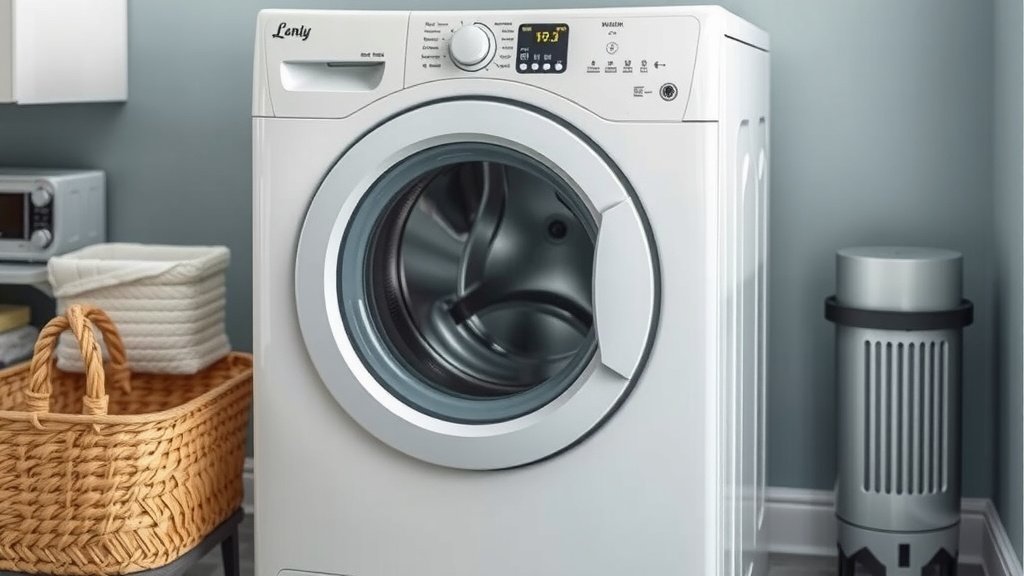
Use a damp cloth to wipe down the inside of the drum. Make sure to get around the paddles or any other features. You can use a little of your cleaning solution if needed, but be sure to wipe it clean with a plain damp cloth afterward.
The Detergent Dispenser Needs Love Too
Residue can build up in the detergent dispenser drawer. This can block the flow of water or cause unpleasant odors.
Remove and Soak
Most detergent drawers can be removed from the machine. Check your user manual if you’re unsure how. Once removed, soak the drawer in warm, soapy water or a vinegar-water solution. Use an old toothbrush to scrub away any hardened detergent or mold. Rinse it thoroughly and dry it completely before putting it back.
If your dispenser isn’t removable, use a damp cloth and an old toothbrush to clean it as best you can. Be sure to get into all the little compartments.
Check the Drain Pump Filter: The Unsung Hero
Many front loaders have a small drain pump filter, usually located behind a small door at the bottom front of the machine. This filter traps lint, coins, and other small items.
Clearing Out Debris
Before you open it, place a shallow pan and some towels underneath to catch any water that might spill out. Carefully unscrew the filter and remove any debris. Rinse the filter under running water and then screw it back into place securely. Many guidelines suggest checking this filter every few months.
A Quick Checklist for Ongoing Freshness
Keeping your front loader clean doesn’t have to be a chore. Follow these simple steps regularly to prevent buildup:
- Wipe down the door seal after each use.
- Leave the door slightly ajar between washes.
- Run a hot water cleaning cycle monthly.
- Clean the detergent dispenser quarterly.
- Check the drain pump filter every 3-6 months.
- Remove laundry promptly after the cycle finishes.
Conclusion
You’ve learned how to tackle those common front loader smells and grime. By regularly running hot water cycles with vinegar or a cleaner, you can break down buildup. Don’t forget to give special attention to the door seal, detergent dispenser, and drain pump filter. These steps ensure your machine stays fresh and efficient. To keep your laundry smelling fantastic, make wiping down the door seal and leaving the door ajar after each wash a habit. You’ll enjoy cleaner clothes and a happier appliance!
Frequently Asked Questions
How often should I clean my front loader washing machine?
Experts recommend running a hot water cleaning cycle about once a month. This helps prevent the buildup of mold, mildew, and detergent residue. You can also make it a habit to wipe down the door seal after each use to keep it drier.
Can I use bleach to clean my washing machine?
While bleach can kill mold and mildew, it’s not always recommended for cleaning washing machine interiors. It can be harsh and may degrade rubber parts over time. Vinegar or a dedicated washing machine cleaner are safer and often just as effective alternatives.
What if my washing machine still smells after cleaning?
If odors persist after a thorough cleaning, check if you missed any areas, like the drain pump filter or inside the detergent dispenser thoroughly. You might also have hard water mineral buildup, which can sometimes require a stronger cleaner or repeat treatments.
Can I use essential oils in my washing machine cleaner?
Some people like to add a few drops of essential oils like tea tree or lavender to their cleaning cycle for a fresh scent. While this can add a nice aroma, ensure the oil is safe for your machine’s components. It’s best to stick to vinegar or a specialized cleaner for the actual cleaning power.
Is it okay to leave the washing machine door closed when not in use?
No, it’s best to leave your front loader door slightly ajar between washes. This allows air to circulate and helps the interior, especially the door seal, to dry out completely. Leaving the door shut can trap moisture, creating a breeding ground for mold and mildew.
![7 What Are The Best Washer And Dryers [In 2026]](https://homeunderstandable.com/wp-content/uploads/2026/09/7-what-are-the-best-washer-and-dryers-in-2026-featured-768x432.jpg)