What Does Front Load Washer Mean? Your Complete Guide
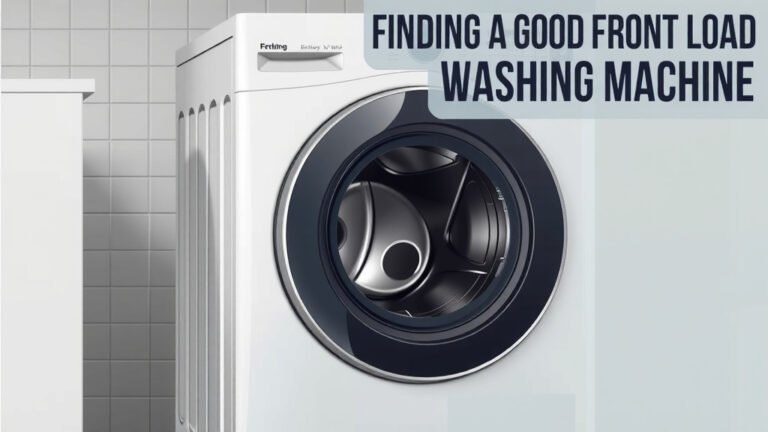
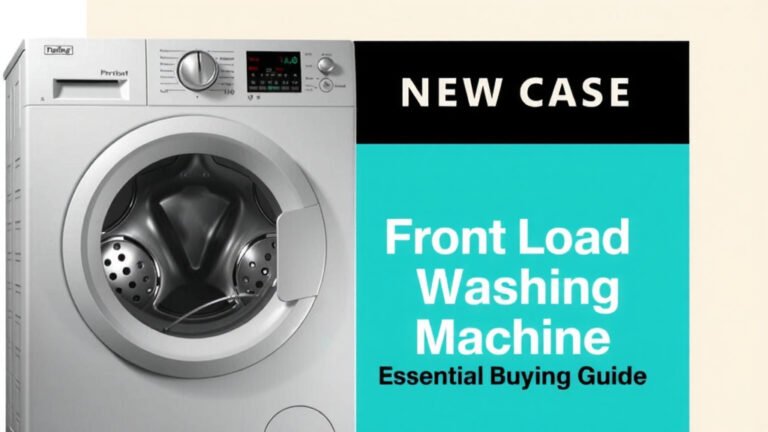
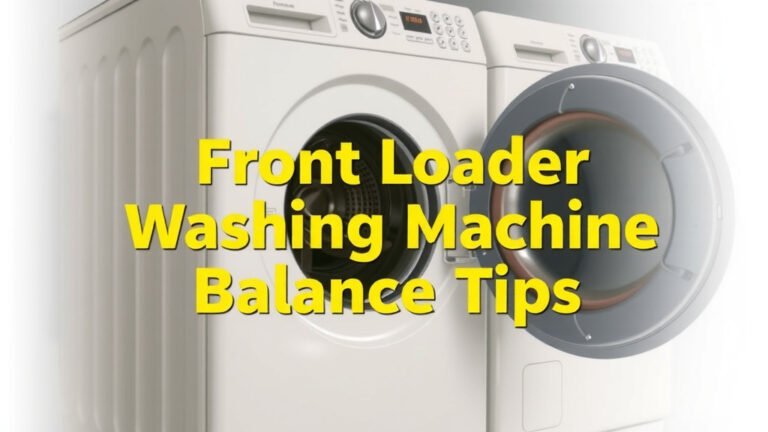
A front load washer is a type of washing machine where you load clothes through a door on the front. Unlike top-load machines, it uses a horizontal drum that tumbles clothes through water and detergent. This design often leads to better cleaning and gentler fabric care.
You might be wondering how they differ from the top-load models you may be used to. Front loaders typically use less water and energy per cycle. Many people also find their spin cycles are more efficient, meaning clothes come out less damp and ready for the dryer faster.
- Front load washers have a door on the front for loading.
- They use a tumbling action to wash clothes.
- Generally, they are more energy-efficient.
- They tend to be gentler on fabrics.
- Many find they offer a superior clean.
Let’s break down exactly what makes a front load washer tick and what that means for your laundry routine.
Understanding the Front Load Washing Machine Design
So, you’re curious about front load washers. What exactly does that term mean for your laundry day? It simply refers to a washing machine where the door is located on the front of the unit.
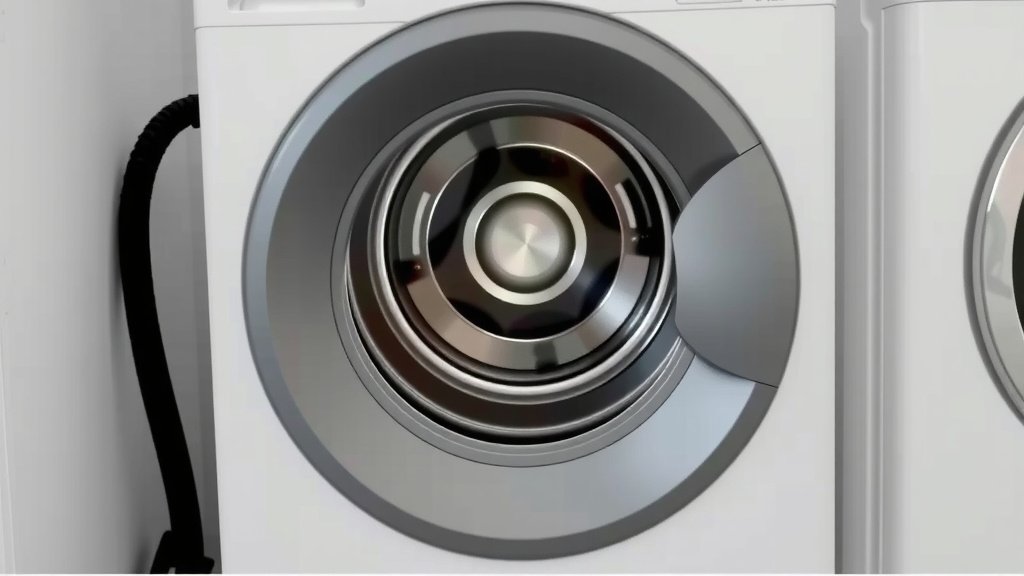
Unlike older top-load models with a lid on top, a front loader has a circular door on the front panel. You load your clothes, detergent, and any other additives directly into a drum that sits horizontally inside the machine. This horizontal drum is the key to how they operate differently.
How Front Loaders Actually Wash Your Clothes
The magic of a front loader lies in its tumbling action. Imagine your clothes being lifted by internal paddles and then falling back into the water and detergent mixture. This gentle tumbling action is what loosens dirt and grime from your fabrics.
It’s a bit like a mini workout for your clothes! The drum spins one way, lifting the clothes, and then reverses direction, allowing them to drop. This process is repeated many times throughout the wash cycle, providing a thorough yet gentle clean.
The Drum’s Role in Cleaning
The drum itself is designed with these lifting baffles or paddles. They help move the clothes around effectively. The rotation speed of the drum is carefully controlled by the machine’s motor to achieve the best cleaning results for different fabric types.
Why the Horizontal Drum Matters for Efficiency
One of the biggest advantages of this horizontal drum design is its efficiency. Because the drum tumbles, it doesn’t need to be completely filled with water to saturate the clothes. Only a portion of the drum needs to be filled with water at any given time.
This means less water is used per cycle compared to many traditional top-loaders, which often fill the entire tub. Many studies have found front loaders can use 40-50% less water (Consumer Reports).
Water Savings and Environmental Impact
Using less water is not only good for your utility bills but also for the environment. Reducing water consumption helps conserve a precious resource. Plus, using less water often means using less energy to heat that water, further contributing to a lower carbon footprint.
Energy Consumption: A Closer Look
Beyond water, front load washers are often praised for their energy efficiency. The tumbling action is effective with less hot water. Many models are Energy Star certified, meaning they meet strict energy efficiency guidelines set by the U.S. Environmental Protection Agency.
These machines typically use less electricity overall. Their high-speed spin cycles also play a role. They extract more water from your clothes, reducing the time and energy needed in the dryer.
Spin Cycles and Drying Time
Front loaders often boast higher spin speeds, sometimes reaching over 1,000 RPM. This rapid spinning forces more water out of your laundry. As a result, your clothes come out noticeably less damp.
This means your clothes will spend less time in the dryer. For most loads, you might find your drying time cut in half. This saves both electricity and wear and tear on your garments.
Comparing Front Loaders to Other Washer Types
To truly understand what a front load washer is, it helps to see how it stacks up against its main competitor: the top load washer.
Front Loaders vs. Traditional Top Loaders (Agitator)
Traditional top-load washers typically have a central agitator. This is a pole with fins that twists and turns, forcing clothes through the water. While effective at cleaning, this can be harder on fabrics and often uses more water.
Front loaders, with their tumbling action, are generally considered gentler. They mimic the natural motion of clothes washing in a river, which is less abrasive. Many experts suggest this makes them ideal for delicates and everyday wear.
Front Loaders vs. High-Efficiency (HE) Top Loaders
HE top loaders are a more modern take on top-load machines. They often don’t have a central agitator. Instead, they might use an impeller (a low-profile cone or disc) at the bottom of the tub to move clothes.
These HE top loaders are more water-efficient than traditional agitator models. However, front loaders still often edge them out in overall water and energy savings. The tumbling action is consistently more effective at using less water and getting clothes cleaner.
A Quick Comparison Table
Let’s look at how they generally compare:
| Feature | Front Load Washer | HE Top Load Washer | Traditional Top Load Washer |
|---|---|---|---|
| Loading Style | Front | Top | Top |
| Washing Action | Tumbling | Impeller/Pulsator | Agitator |
| Water Usage | Low | Medium-Low | High |
| Energy Efficiency | High | Medium-High | Low |
| Fabric Gentleness | High | Medium-High | Low |
| Spin Speed (RPM) | High (800-1600+) | Medium-High (600-1000) | Medium (600-800) |
Common Features You’ll Find on Front Loaders
When you choose a front loader, you’re likely to discover a range of advanced features designed to make laundry easier and more effective. Many models come with specialized cycles for different fabrics and soil levels.
You’ll often see options like sanitization cycles that use higher temperatures to kill bacteria. Some even have steam functions to help remove wrinkles and freshen clothes. Smart features allowing you to control your washer via an app are also becoming more common.
Understanding Cycles and Settings
Beyond the basic wash and rinse, front loaders offer a variety of settings. These might include:
- Delicates: For fragile items that need a gentle touch.
- Heavy Duty: For heavily soiled items requiring a more vigorous clean.
- Quick Wash: For lightly soiled items you need cleaned in a hurry.
- Sanitize: Uses high heat to eliminate germs.
- Steam: Helps reduce wrinkles and odors.
Taking a moment to understand these cycles can help you get the best results for your laundry.
Is a Front Load Washer Right for You?
Thinking about whether a front loader fits your household needs? Let’s run through a quick checklist to see if it’s a good match for your laundry routine.
Consider these points:
- You want to save water and energy.
- You prefer a gentler wash for your clothes.
- You need powerful cleaning for tough stains.
- You have the space for it (they are often stackable!).
- You don’t mind bending down to load and unload.
Many people find that once they switch to a front loader, they wouldn’t go back. The combination of efficiency, cleaning power, and fabric care is hard to beat.
Conclusion
You now understand that a front load washer means loading clothes through a door on the front. Its design uses a tumbling action for a more efficient and gentle clean. By using less water and energy, front loaders can save you money and are kinder to the environment. They often offer superior cleaning and fabric care compared to traditional top-load models. If you’re looking to upgrade your laundry experience, consider if a front loader’s efficiency and performance align with your household needs. Take the next step by researching models that fit your budget and space requirements!
Frequently Asked Questions
Are front load washers really better at cleaning?
Yes, research and user experiences suggest front load washers often provide a superior clean. The tumbling action effectively loosens dirt and stains from fabrics. This method is generally more thorough than the agitator-style washing found in many traditional top-loaders.
Do front load washers use less water than top loaders?
Absolutely. Front load washers are designed to use significantly less water per cycle. Because they tumble clothes rather than submerging them in a full tub, they can achieve effective cleaning with only a fraction of the water. This makes them a more eco-friendly choice.
How long do front load washers typically last?
With proper maintenance, front load washers are known for their durability. Many owners find they last 10-15 years, sometimes even longer. Regular cleaning of the door seal and the detergent dispenser can help prolong the life of your machine.
What are the main drawbacks of front load washers?
The primary drawback is often the need to bend down to load and unload clothes. Some users also find that certain cycles can take longer than on older top-load models. Additionally, the initial purchase price can sometimes be higher than for basic top-load washers.
Can I add clothes to a front load washer mid-cycle?
This depends on the specific model. Many newer front load washers have a “door lock” or a small add-wash door feature. However, older or simpler models may not allow you to open the door once the cycle has begun, especially after the initial fill phase.
![7 Best Washing Machine And Dryer Combo [In 2026]](https://homeunderstandable.com/wp-content/uploads/2026/09/7-best-washing-machine-and-dryer-combo-in-2026-featured-768x432.jpg)