
Top Load Washer Explained: What You Need to Know
A top load washer is a washing machine where you load clothes from the top. This design features a lid on the upper part of the unit. It’s a familiar and straightforward appliance for many households.
Unlike front-loaders, top-load models have the drum positioned vertically. You add detergent and clothes through the opening at the very top. This makes them easy to load for most people.
- Top load washers have a lid on the top.
- Clothes are added from the top of the machine.
- The drum spins vertically.
- They are generally easy to use.
Let’s dive into what makes a top load washer unique and whether it’s the right choice for your laundry room.
Understanding the Top Load Washer Design
So, what exactly defines a top load washer? Simply put, it’s a washing machine where the door or lid is located on the top. You toss your dirty socks and shirts into the drum through this upper opening. This is a design many of us grew up with, making it instantly familiar.
The core difference lies in how the drum is oriented. In a top loader, the drum sits vertically. This contrasts with front-load machines where the drum spins horizontally. This vertical orientation is key to how a top load washer operates and how you interact with it.
How a Top Load Washer Works
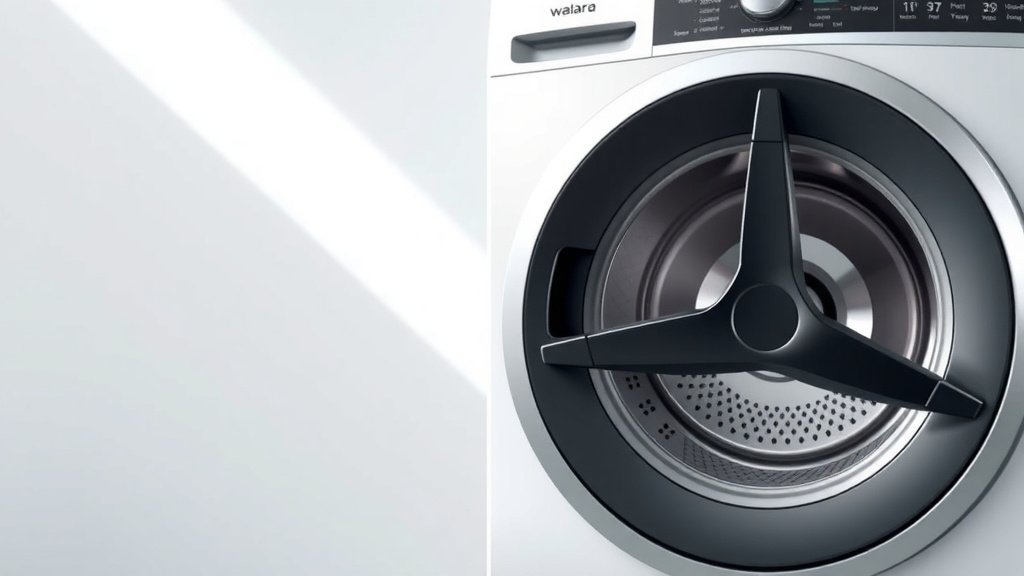
The magic happens inside the drum. Top load washers typically use an agitator or an impeller to move your clothes. These are the components that churn and tumble your laundry. This action helps to scrub away dirt and stains. You’ll usually see the lid close securely before the cycle begins.
The Agitator Style
Many traditional top load washers feature a central agitator. This is a tall, finned post that runs down the middle of the drum. The agitator twists back and forth, rubbing against your clothes. This vigorous motion is very effective at cleaning, but some find it can be tough on delicate fabrics.
The Impeller Style (High Efficiency)
More modern top load washers often use an impeller. This is a low-profile cone or disc at the bottom of the drum. Instead of a central post, the impeller spins, creating currents that move the clothes. Research shows these machines often use less water and are gentler on clothes. They are frequently labeled as “high efficiency” (HE).
Key Features and Benefits
Top load washers offer a few distinct advantages that make them a popular choice. Let’s break down what you can expect.
Ease of Loading and Unloading
One of the biggest draws is accessibility. Because the opening is at the top, you don’t have to bend over as much. This can be a real relief for your back and knees. It’s like having a laundry counter at waist height, making loading and unloading less of a chore.
Adding Laundry Mid-Cycle
Forgot to toss in that one stray sock? With most top loaders, you can pause the cycle and lift the lid to add forgotten items. This is a convenience many users appreciate. Front loaders typically require the cycle to complete almost entirely before you can open the door.
Faster Wash Cycles (Sometimes)
Many top load models, especially those with agitators, can complete a wash cycle faster than their front-load counterparts. This is because they often use more water and a more aggressive tumbling action. If you’re always in a hurry, this could be a big plus for your laundry routine.
Cost-Effectiveness
Generally speaking, top load washers tend to be more budget-friendly. You can often find a reliable top loader for a lower price point than a comparable front-load model. This makes them a great option if you’re working with a tighter budget.
Potential Downsides to Consider
While top loaders have their charms, it’s fair to look at the other side of the coin. There are a few things you might want to keep in mind.
Water Usage and Efficiency
Traditional agitator models can be quite thirsty for water. They often fill the entire tub to ensure clothes are fully submerged. While HE impeller models use less water, some still use more than the most efficient front-loaders. This can impact your utility bills and environmental footprint.
Gentleness on Fabrics
The vigorous action of agitators can be tough on clothes. Over time, this can lead to more wear and tear. Items might develop pilling or stretching sooner. If you have a lot of delicate garments, you might need to be extra careful or opt for an HE impeller model.
Capacity Limitations (Sometimes)
While many top loaders boast large capacities, the effective washing capacity can sometimes be less than what’s advertised. This is especially true for agitator models, as the agitator takes up space in the drum. For very bulky items like comforters, you might find them a tighter fit.
Top Load vs. Front Load: A Quick Comparison
To help you visualize the differences, let’s put them side-by-side. We’ve researched common features to give you a clear picture.
| Feature | Top Load Washer | Front Load Washer |
|---|---|---|
| Loading Style | From the top | From the front |
| Drum Orientation | Vertical | Horizontal |
| Agitation Method | Agitator or Impeller | Tumbling |
| Ease of Adding Clothes Mid-Cycle | Generally easy | Difficult or impossible |
| Typical Water Usage | Can be high (traditional), moderate (HE) | Generally low |
| Gentleness on Clothes | Can be rough (agitator), moderate (impeller) | Generally very gentle |
| Typical Price | More affordable | Higher initial cost |
Choosing the Right Top Load Washer for You
When you’re ready to buy, think about what matters most. Do you prioritize ease of use? Are you on a tight budget? Considering these questions will guide your decision.
Here’s a quick checklist to help you narrow down your options:
- Consider your budget.
- Think about the size of your loads.
- Decide between agitator and impeller.
- Check water efficiency ratings.
- Read reviews for reliability.
- Measure your laundry space carefully.
Conclusion
So, you’ve learned that a top load washer means exactly what it sounds like: a washing machine you load from the top. These familiar machines come in two main styles: the classic agitator and the more modern high-efficiency impeller. They offer benefits like easy loading, the ability to add clothes mid-cycle, and often a lower price point. However, some traditional models can use more water and be tougher on fabrics. Now that you understand the basics, think about your laundry habits and budget. Visiting a local appliance store or checking online reviews based on your needs will help you find the perfect fit for your home.
Frequently Asked Questions
What’s the main difference between an agitator and an impeller top load washer?
An agitator is a central post that twists and turns, moving clothes vigorously. An impeller is a low-profile disc at the bottom that creates currents to move laundry. Impeller models are generally gentler on clothes and use less water.
Can I really add clothes after a top load washer has started?
Yes, most top load washers allow you to pause the cycle and lift the lid to add forgotten items. This is a significant convenience compared to many front-load models. Just be sure to check your specific model’s manual.
Are top load washers better for your back?
Many people find top load washers easier on their back and knees. This is because you don’t have to bend down as much to load and unload laundry. The opening is at a more accessible height.
Do top load washers use more water than front load washers?
Traditional agitator top load washers typically use more water to submerge clothes. High-efficiency (HE) impeller top load models use less water, but they may still use more than the most water-efficient front-load machines.
Are top load washers more expensive than front load washers?
Generally, top load washers tend to be more affordable upfront. You can often find a wider range of top-load models at lower price points compared to front-load washers.
![7 Best Stackable Washing Machine And Dryer [In 2026]](https://homeunderstandable.com/wp-content/uploads/2026/09/7-best-stackable-washing-machine-and-dryer-in-2026-featured-768x432.jpg)
![7 What Is The Best Stackable Washer Dryer Combo [In 2026]](https://homeunderstandable.com/wp-content/uploads/2026/09/7-what-is-the-best-stackable-washer-dryer-combo-in-2026-featured-768x432.jpg)