Buying a Washing Machine: What to Look For
When buying a washing machine, you’ll want to look for the right capacity for your household size and energy efficiency to save on utility bills. Consider whether a top-load or front-load model better suits your needs and budget. These core features will dramatically impact your laundry experience.
Beyond the basics, think about the types of washes you need. Do you handle delicates or heavily soiled items often? Look for machines with specialized cycles and features like steam cleaning or smart connectivity. Your choice should match your lifestyle and laundry habits for the best results.
- Capacity: Match machine size to your household needs.
- Energy Efficiency: Look for ENERGY STAR certified models.
- Type: Top-load vs. front-load depends on your preferences.
- Special Features: Consider steam, sanitizing, or smart tech.
- Budget: Determine your price range upfront.
Ready to find the perfect machine for your home? We’ve researched the key factors to consider. Let’s walk through what to look for when buying your next washing machine.
You’re ready to upgrade your laundry routine, and that means picking out a new washing machine. It can feel like a big decision, with so many options out there. But don’t worry, we’re here to help you navigate the choices. We’ll look at the most important features to consider so you can find a machine that truly fits your life. Our guide to the best new washer and dryer sets can help you find the perfect match.
Key Factors When Selecting Your Next Washer
Choosing the right washing machine involves balancing capacity, efficiency, and personal needs. We’ve researched the top considerations to ensure your purchase is a smart one.
Understanding Washing Machine Types
The first big decision is often between top-load and front-load machines. Both have their own set of advantages and disadvantages, and the “better” choice really depends on your priorities.
Top-Load Washers: The Classic Choice
Top-load washers are what many of us grew up with. They typically have an agitator in the center, which is a long post that twists clothes around. This can be tough on fabrics but offers a very powerful clean. Newer models often have impeller plates instead of agitators, which are gentler on clothes.
The main draw here is often the price. Top-loaders tend to be less expensive upfront. They also allow you to add clothes mid-cycle, which is super convenient if you forget an item. Plus, you don’t have to bend down as much to load and unload.
Front-Load Washers: The Modern Marvel
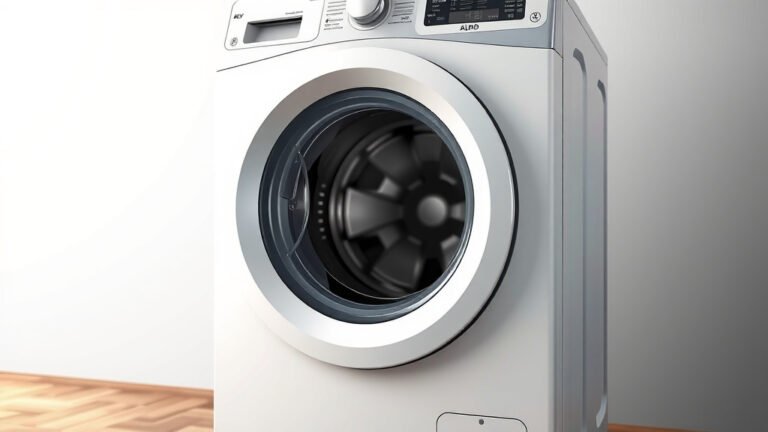
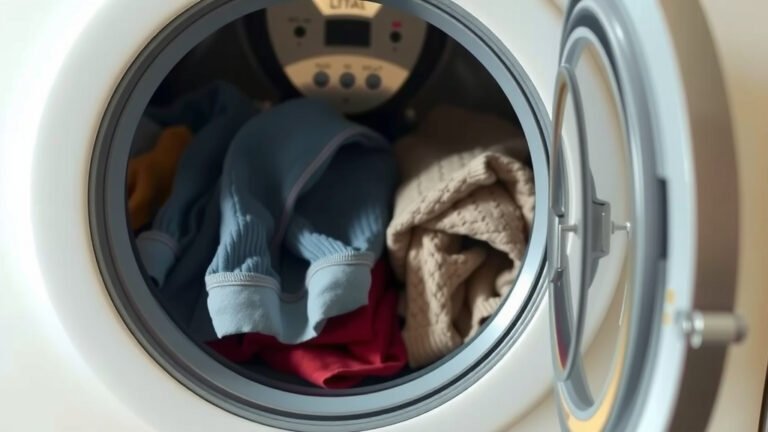
Front-load washers spin clothes horizontally, using gravity and tumbling action to clean. This method is generally gentler on your clothes and often uses less water. Many people find they get a cleaner wash, especially for heavily soiled items, because the clothes tumble freely.
While the initial cost might be higher, front-loaders can save you money in the long run. They are typically more energy-efficient, using less water and electricity. They also tend to have higher spin speeds, which extract more water. This means less drying time for your clothes, saving you energy and wear on your dryer.
Capacity: How Much Laundry Do You Do?
The size of the washing machine drum, or its capacity, is a big deal. It directly impacts how much laundry you can wash at once. Think about the size of your household and how often you do laundry.
Small Households (1-2 People)
If it’s just you or you and a partner, a smaller capacity machine (around 3.0 to 4.0 cubic feet) will likely suffice. You might do laundry once a week. Smaller machines are often more energy-efficient and take up less space.
Medium Households (3-4 People)
For a family of three or four, a medium capacity machine (around 4.0 to 5.0 cubic feet) is usually a good bet. This size allows you to tackle larger loads, like bedding or a week’s worth of clothes for everyone, without needing multiple cycles.
Large Households (5+ People)
If you have a big family or just tend to do a lot of laundry, you’ll want a large capacity machine (5.0 cubic feet and up). These can handle bulky items like king-size comforters with ease. It means fewer loads, which can save you time and energy.
Energy Efficiency: Saving Money and the Planet
Washing machines use a significant amount of water and electricity. Choosing an ENERGY STAR certified model is a smart move for both your wallet and the environment.
ENERGY STAR appliances meet strict energy efficiency guidelines set by the U.S. Environmental Protection Agency. We found that these machines use about 25% less energy and 33% less water than standard models. Over the lifetime of the machine, this can add up to substantial savings on your utility bills.
Wash Cycles and Special Features: Tailoring Your Clean
Beyond the basic wash and rinse, modern washing machines come with a plethora of cycles and features designed to tackle specific laundry challenges. Consider what types of items you wash most often.
Common Cycles You’ll Use
- Normal/Cotton: For everyday items like t-shirts, jeans, and towels.
- Delicates/Hand Wash: Gentle cycle for lingerie, silk, and other fragile fabrics.
- Permanent Press: Medium heat and a longer cool-down period to reduce wrinkles.
- Heavy Duty: For heavily soiled items like work clothes or sports uniforms.
- Quick Wash: For lightly soiled items you need cleaned fast.
Advanced Features to Consider
Are there certain types of stains or fabrics you deal with frequently? Look for machines with specialized options.
- Steam Cleaning: This feature uses steam to help remove stains and allergens. Many experts recommend it for sanitizing and reducing wrinkles (Cleveland Clinic).
- Sanitize Cycle: Uses very hot water to kill bacteria and allergens, great for baby clothes or allergy sufferers.
- Deep Fill/Water Plus: Allows you to add more water to the drum for those times when you need a thorough soak.
- Built-in Water Heater: Helps ensure water reaches the optimal temperature for different cycles, improving cleaning performance.
Smart Technology: Connectivity and Convenience
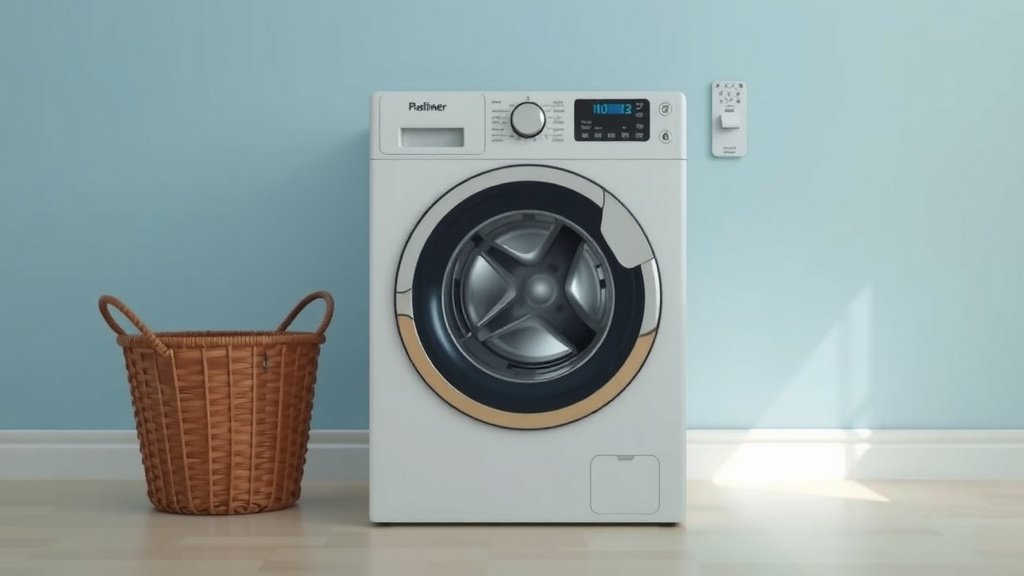
Many new washing machines offer smart features. You can often connect them to your home Wi-Fi network. This allows you to control and monitor your laundry from your smartphone.
You might receive notifications when a cycle is complete. Some apps let you download new wash cycles or troubleshoot problems remotely. If convenience and remote control are important to you, smart features are worth exploring.
Noise and Vibration: A Peaceful Laundry Room
Washing machines can be noisy, especially during the spin cycle. If your laundry room is near living spaces, consider models designed for quiet operation. Many newer machines use advanced suspension systems and specific motor technologies to reduce noise and vibration.
We found that front-load washers are often quieter than traditional top-loaders. Check reviews for comments on noise levels. Some machines even have special anti-vibration features to keep things steady, even on upper floors.
Durability and Warranty: Long-Term Peace of Mind
A washing machine is an investment. You want one that will last. Look for reputable brands known for their durability. Check the warranty information carefully.
A good warranty typically covers parts and labor for at least one year. Some manufacturers offer longer warranties on specific components, like the motor or drum. Researching brand reliability can save you headaches down the road.
Your Washing Machine Checklist
Before you head to the store or start browsing online, keep this quick checklist handy:
- What’s your household size and laundry volume?
- What’s your budget?
- Top-load or front-load preference?
- Are special wash cycles important (delicates, sanitize)?
- Do you want smart features?
- Is energy efficiency (ENERGY STAR) a priority?
Conclusion
You’re now equipped to make a smart washing machine choice. Remember to consider your household size for the right capacity and prioritize energy efficiency to save on bills. Weigh the pros and cons of top-load vs. front-load to match your cleaning habits and budget. Don’t forget to look at specialized cycles and features that can make your laundry routine easier. Take this checklist with you, and you’ll be well on your way to finding a washer that serves your home perfectly for years to come.
Frequently Asked Questions
What is the difference in cleaning power between top-load and front-load washers?
Front-load washers often provide a gentler clean that is more effective on tough stains due to their tumbling action. Top-loaders, especially those with agitators, can offer a more aggressive wash, which some prefer for heavily soiled items.
Are more expensive washing machines always better?
Not necessarily. While higher-end models often include advanced features and better build quality, you can find excellent machines that meet your core needs without breaking the bank. Focus on the features most important to you.
How much water does an ENERGY STAR certified washer actually save?
We found that ENERGY STAR certified models use approximately 33% less water compared to standard washing machines. This conservation adds up over time and benefits both your utility bills and the environment.
Is steam cleaning really worth the extra cost on a washing machine?
Steam cleaning can be very beneficial for removing tough stains and allergens, and many experts recommend it for sanitizing. If you frequently deal with difficult laundry or have allergy concerns, the added cost may be well justified.
How can I tell if a washing machine will be noisy before buying it?
Reading online reviews from other consumers is one of the best ways to gauge a machine’s noise level. Some manufacturers also highlight their quiet operation technology or specific anti-vibration features.
![7 Best Deals On Front Load Washer And Dryer [In 2026]](https://homeunderstandable.com/wp-content/uploads/2026/09/7-best-deals-on-front-load-washer-and-dryer-in-2026-featured-768x432.jpg)