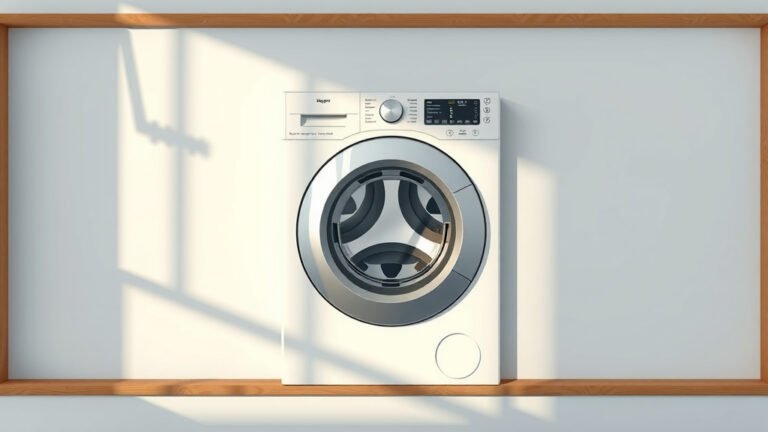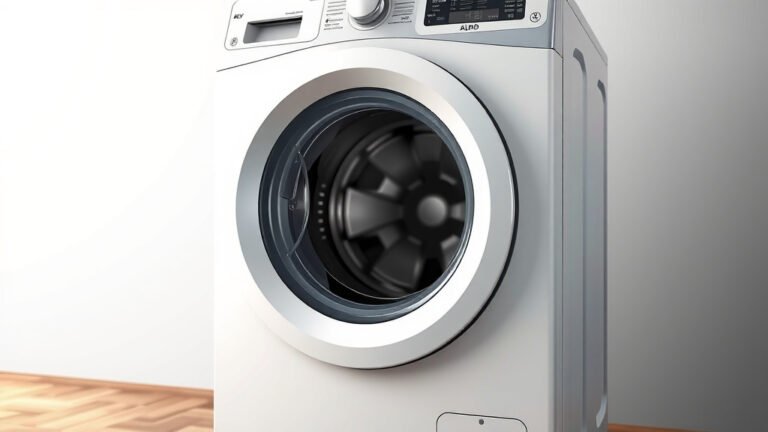
Front Load Washer Downsides: What You Need to Know
Front-loading washing machines, while popular for their efficiency, do come with a few drawbacks. You might find they are more expensive upfront and can sometimes take longer to complete a wash cycle. Plus, if you accidentally forget an item, adding it mid-cycle isn’t always as simple as with other types.
Many people choose front-loaders for their water savings and gentler approach to clothes. But it’s wise to be aware of potential issues like the risk of mold and mildew growth if not maintained properly. You’ll also want to consider that they may require a bit more bending down to load and unload your laundry.
- Higher initial purchase price.
- Longer wash times compared to some machines.
- Potential for mold/mildew if not aired out.
- Can be harder to add forgotten items mid-cycle.
- Requires bending for loading and unloading.
Ready to dive deeper? We’ve gathered the key disadvantages you should know about before deciding if a front-loader is the right fit for your home.
Considering the Downsides of Front-Load Washers
While front-loading washing machines are often praised for their energy efficiency and cleaning power, they aren’t without their drawbacks. You might find yourself asking, “What are the disadvantages of front loading washing machines?” We’ve looked into it, and there are a few things to consider before you buy.
The Higher Price Tag: An Initial Investment
One of the first things you’ll likely notice is the higher upfront cost. Front-loaders typically cost more to purchase than their top-loading counterparts. This can be a significant factor when you’re budgeting for a new appliance.
Why the Price Difference?
This price difference often comes down to the advanced technology and more complex design of front-loaders. They use a horizontal drum that tumbles clothes, which requires a more robust motor and suspension system. This engineering contributes to their higher manufacturing cost.
Longer Cycles: Patience Required
Are you someone who likes to get laundry done quickly? If so, you might find the wash cycles on front-loaders a bit lengthy. Many cycles can take an hour or more to complete. This is partly due to their efficient washing method, which uses less water and relies on tumbling action over a longer period.
Understanding the Wash Process
The tumbling action is gentler on clothes and uses less water. However, this process is inherently slower than the agitation methods found in some top-loaders. It’s a trade-off for better fabric care and water savings.
Maintenance Matters: Battling Mold and Mildes
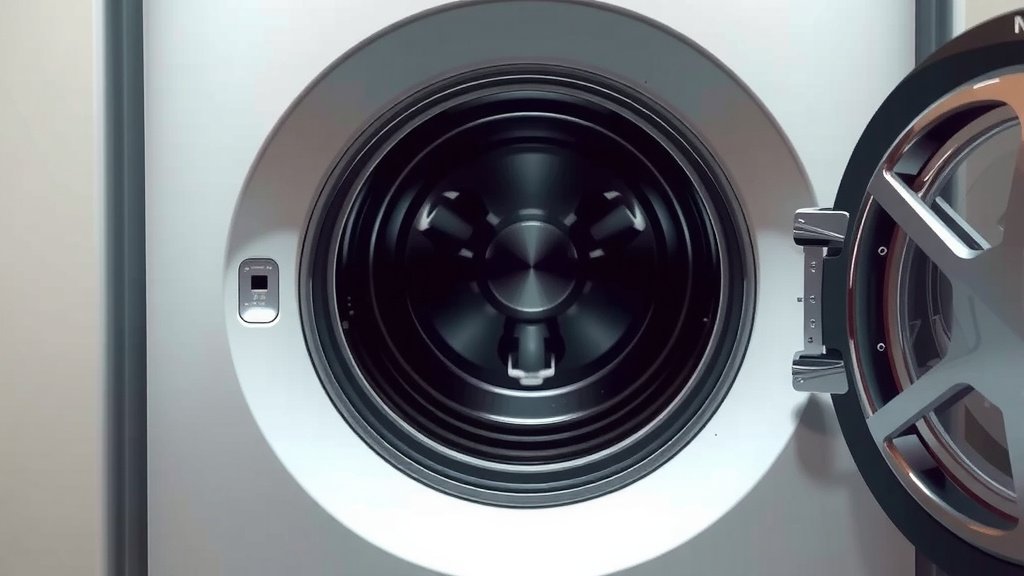
This is a big one. Front-loaders are more prone to developing mold and mildew if not maintained properly. The rubber gasket around the door creates an airtight seal, which is great for preventing leaks but can trap moisture. If this moisture isn’t allowed to dry out, it creates the perfect environment for mold to grow.
The Gasket Gamble
That lovely seal that keeps water in can also keep it trapped. Over time, this can lead to a musty smell in your laundry room and even on your clean clothes. It’s like leaving a wet towel in a gym bag for too long – not a pleasant outcome!
What You Can Do About It
Fortunately, this isn’t a deal-breaker, but it does require a little extra effort. You’ll need to be diligent about wiping down the door seal after each use. Leaving the door slightly ajar between washes is also highly recommended. This allows air to circulate and dry out the interior. Many manufacturers also suggest running a cleaning cycle periodically with a special washing machine cleaner or hot water and vinegar.
Adding Laundry Mid-Cycle Can Be Tricky
Did you forget to toss in a sock? With many front-loaders, your opportunity to add forgotten items is limited. Once the cycle starts and the door locks, you usually can’t open it until the cycle is finished or has reached a specific point where it’s safe to unlock.
Why the Lock-In?
This is for safety and to prevent water from escaping. Unlike some top-loaders where you can lift the lid and add items, the door on a front-loader is sealed more tightly. Some newer, high-end models might have a small “add garment” feature, but it’s not standard across the board.

Ergonomics: Bending Down Blues
Loading and unloading laundry from a front-loader requires you to bend down. If you have back issues, knee problems, or general mobility challenges, this can be a real pain. Constantly bending over can put a strain on your body.
Considering Your Space and Needs
While many people don’t mind this, it’s a significant consideration for some. You might find yourself needing to invest in a pedestal to raise the machine, which adds to the overall cost and height of the appliance. This is something to really think about if bending is difficult for you.
Potential for Vibration and Noise
Because of their design and how they spin at very high speeds, front-loaders can sometimes vibrate more than top-loaders, especially during the spin cycle. This can be more pronounced if the machine isn’t perfectly level or if the load is unbalanced.
The Spin Cycle Sensation
You might notice more shaking or even noise during the high-speed spin. This is due to the centrifugal force at play. While most modern machines have good vibration-reduction technology, it’s still something to be aware of, especially if your laundry area is on an upper floor.
| Potential Drawback | What It Means for You | Possible Solutions |
|---|---|---|
| Higher Cost | More money out of pocket initially. | Look for sales or consider slightly older models. |
| Longer Wash Times | Laundry might take longer to complete. | Use the ‘quick wash’ option when available for light loads. |
| Mold/Mildew Risk | Requires regular cleaning and airing out. | Wipe the seal, leave the door ajar, run cleaning cycles. |
| Adding Items | Difficult to add forgotten clothes mid-cycle. | Double-check loads before starting; newer models may offer this feature. |
| Bending Required | Can be uncomfortable for those with physical limitations. | Consider a pedestal or a different type of washer. |
| Vibration | Can be noisy and shake more than top-loaders. | Ensure the machine is level; balance loads properly. |
Quick Checklist: Are You Ready for a Front-Loader?
- Can you afford the higher initial purchase price?
- Are you okay with potentially longer wash cycles?
- Will you commit to regular cleaning and airing out to prevent mold?
- Is adding forgotten items mid-cycle a major concern for you?
- Is the need to bend down manageable for your physical comfort?
- Do you have a stable floor that can handle potential vibrations?
Conclusion
You’ve learned that while front-load washers offer excellent efficiency and fabric care, they do come with considerations. The higher upfront cost and longer wash times are important to budget for. You’ll also need to commit to a bit of extra maintenance to keep mold at bay and accept the need to bend down for loading. By weighing these disadvantages against the benefits, you can make an informed decision. Take your time, consider your laundry habits and physical needs, and you’ll find the right washing machine for your home.
Frequently Asked Questions
Are front-load washers really harder to clean?
Front-loaders require more diligent cleaning due to their door seals trapping moisture, which can lead to mold and mildew. You’ll need to regularly wipe down the gasket and leave the door ajar. Running occasional cleaning cycles also helps keep them fresh.
Is the extra cost of a front-loader worth it in the long run?
Many find the energy and water savings of front-loaders can offset the higher initial cost over time. Their gentler washing action also tends to make clothes last longer. Your decision depends on your budget and how long you plan to keep the appliance.
Can I stand a front-loader on a regular floor?
Yes, you can typically stand a front-loader on a regular floor. However, their high spin speeds can cause vibration, which might be more noticeable on upper floors. Ensuring the machine is perfectly level and well-balanced is key to minimizing noise and shaking.
How often do I really need to clean the rubber seal on a front-loader?
It’s best to wipe down the rubber gasket after each wash cycle if possible, or at least every few days. This simple step prevents moisture buildup and significantly reduces the risk of mold and mildew forming.
What if I have back pain and can’t bend easily?
If bending is difficult, a front-load washer might present a challenge. You can mitigate this by purchasing a pedestal to raise the machine, making loading and unloading much easier. Alternatively, you might consider a top-load washer, which doesn’t require bending.
![7 Best Washing Machine For Single Person [In 2026]](https://homeunderstandable.com/wp-content/uploads/2026/08/7-best-washing-machine-for-single-person-in-2026-featured-768x432.jpg)
![7 Best Washer And Dryer Combinations [In 2026]](https://homeunderstandable.com/wp-content/uploads/2026/09/7-best-washer-and-dryer-combinations-in-2026-featured-768x432.jpg)
![7 Best Front Load Washer For Small Space [In 2026]](https://homeunderstandable.com/wp-content/uploads/2026/08/7-best-front-load-washer-for-small-space-in-2026-featured-768x432.jpg)