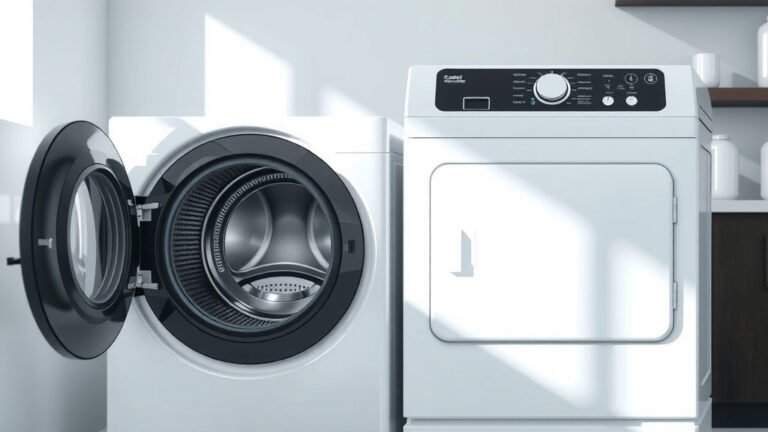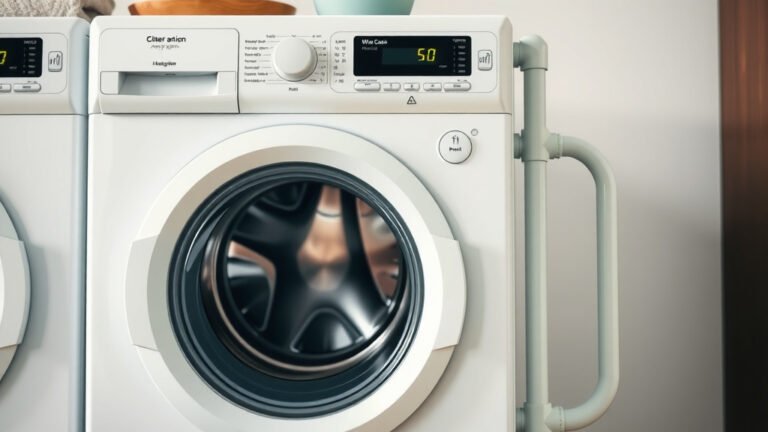
Front Loading Washer Downsides: What You Need to Know
Front loading washing machines can be a great choice for many households, but they do come with a few downsides. You might experience longer wash cycles and potentially higher upfront costs compared to their top-loading counterparts. Some users also report issues with mold or mildew if not properly maintained. So, while efficient, they aren’t without their quirks.
When considering a front loader, it’s wise to weigh these potential drawbacks against their benefits, like water and energy savings. We found that understanding these disadvantages can help you make the best decision for your laundry needs. Many laundry experts agree that proper care is key to avoiding common front loader problems.
- Longer wash times
- Higher purchase price
- Risk of mold/mildew
- Requires regular cleaning
- Potential for vibration
Let’s walk through the specific disadvantages you might encounter with a front loading washing machine so you can be fully prepared.
Understanding the Downsides of Front Load Washers
Front loading washing machines are popular for good reason. They often use less water and energy than top-loaders. They’re also great for stacking with a dryer. But like any appliance, they have their drawbacks. You might be wondering if a front loader is truly the best fit for your home. Let’s look at some of the common disadvantages.
Expect Longer Wash Cycles
One of the most noticeable differences you’ll find is the wash time. Front loaders typically take longer to complete a cycle. This is because they use a tumbling action. Clothes are lifted and dropped into the water. This method is gentler on fabrics and uses less water. But it requires more time to get clothes clean. A quick wash on a front loader might still be longer than a regular cycle on a top-loader. This can be a hassle if you’re in a hurry.
Research shows that a typical front load cycle can last anywhere from 60 to 90 minutes. Some specialized cycles might even go longer than two hours. Compare that to some older top-load models that could finish a load in under 30 minutes. If you have a large family or do a lot of laundry, these longer times can really add up. You might find yourself planning your laundry days more carefully.
The “Why” Behind the Wait
Why do they take so long? It’s all about efficiency. Front loaders use gravity and a lower water level. They need more time to saturate fabrics thoroughly. This slow and steady approach is what allows them to conserve water and energy. So, while you’re waiting longer, you’re often saving resources.
The Initial Investment Can Be Higher
When you’re shopping for a new washing machine, you’ll likely notice a price difference. Front loaders generally have a higher upfront cost than traditional top-loading machines. This can be a significant factor for many households. The advanced technology and features packed into front loaders often contribute to this higher price tag. Think about the sophisticated control panels, the energy-saving components, and the durable build quality.
We found that entry-level front loaders might start around $700 to $800. Higher-end models with steam functions, Wi-Fi connectivity, and larger capacities can easily climb to $1,500 or more. In contrast, you can often find a basic, reliable top-loading washing machine for $400 to $600. This initial cost difference is something to consider carefully in your budget.
Long-Term Savings vs. Upfront Cost
While the initial price is higher, it’s worth remembering the potential for long-term savings. Front loaders are known for their energy and water efficiency. Over the lifespan of the machine, these savings can help offset the initial investment. Many studies have shown that front loaders use significantly less water per load compared to top-loaders. This is especially true for older, less efficient top-load models. So, while you pay more upfront, you might pay less on your utility bills each month.
The Challenge of Mold and Mildew
This is perhaps one of the most commonly discussed disadvantages of front loaders. Because the door seals tightly to prevent water from leaking, it can also trap moisture inside. This damp environment is a breeding ground for mold and mildew. If not addressed, this can lead to unpleasant odors in your laundry room and on your clothes. It can even be a concern for those with respiratory issues.
We found that the rubber gasket around the door is the primary culprit. After each wash, water can collect in the folds of this gasket. If this water isn’t wiped away, it can start to grow mold or mildew. You might notice a musty smell developing over time. This is why regular maintenance is so important for front-load owners.
Preventing the Funk: Your Maintenance Checklist
Fortunately, this problem is largely preventable with a little effort. Here’s what experts recommend:
- Wipe down the door seal after each use. A simple microfiber cloth works wonders.
- Leave the door ajar between washes. This allows air to circulate and dry out the interior.
- Run a cleaning cycle regularly. Many machines have a self-cleaning function. If yours doesn’t, you can use hot water and a cleaning tablet or vinegar.
- Remove wet clothes promptly. Don’t let damp laundry sit in the drum.
- Clean the detergent dispenser. Buildup here can also contribute to odors.
Vibration and Noise Concerns
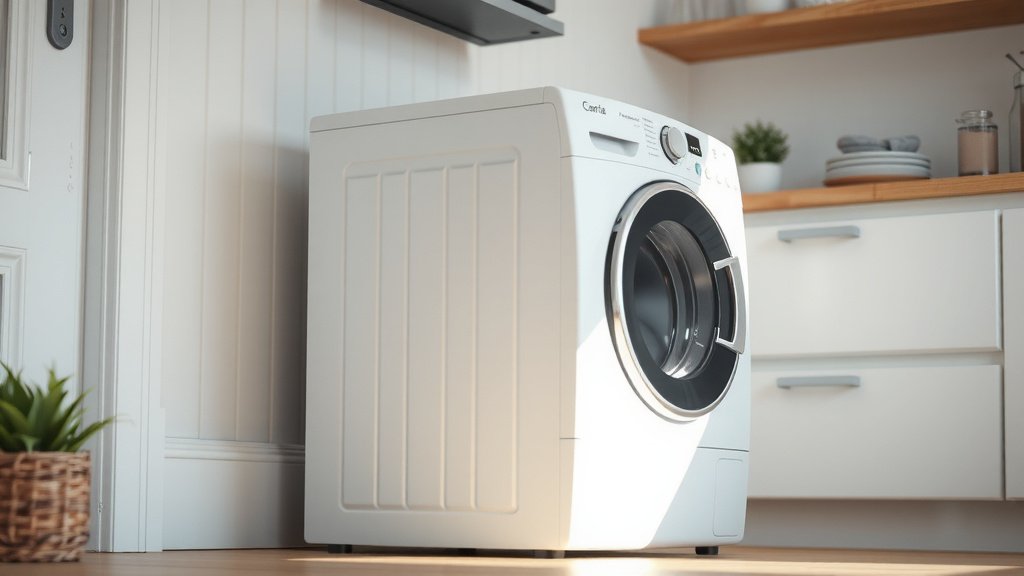
Front loading washing machines can sometimes produce more vibration and noise than top-loaders. This is especially true during the spin cycle when the drum is rotating at high speeds. The heavy loads and fast rotations can cause the machine to shake. This can be more pronounced on certain floor types or if the machine isn’t perfectly level.
Some users report that their front loader “walks” across the floor during the spin cycle. This is a concern if your laundry room is on an upper floor. The vibrations can be felt throughout the house. While modern machines have improved their suspension systems, it’s still something to be aware of. Ensuring the machine is properly installed and leveled is key to minimizing this.
Tips for Quieter Operation
If vibration is a concern, there are a few things you can do. First, ensure your machine is on a solid, level surface. Using anti-vibration pads beneath the feet of the washer can make a big difference. These pads are designed to absorb the shock and reduce noise. Also, make sure you’re not overloading the machine. An unbalanced load can exacerbate vibration issues.
Ergonomic Challenges for Some Users
Bending down to load and unload clothes is a common ergonomic challenge with front loaders. This requires more physical effort than simply dropping clothes into a top-loading machine. For individuals with back problems, knee issues, or mobility limitations, this can be a significant disadvantage. Constantly bending over can cause discomfort or pain.
Making it Easier on Your Body
Many users find solutions to make loading and unloading more comfortable. You can purchase a laundry pedestal. These bases lift the washing machine off the floor. This raises the door to a more convenient height, reducing the need to bend. Pedestals also often provide extra storage for detergent and laundry supplies. For many, this simple addition can make a world of difference in their laundry routine.
Potential for Longer Drying Times
While not a direct disadvantage of the washer itself, it’s often a related issue. Front loaders spin clothes at very high speeds. This extracts a lot of water, which is great for cleaning. However, it can also leave clothes feeling much wetter than a top-loader after a standard spin. This means your clothes might take longer to dry in the dryer.
If you have a dryer that’s not very efficient, or if you’re air-drying your clothes, you might notice the difference. The extra moisture means longer drying cycles, which can use more energy in the dryer. It’s something to keep in mind, especially if energy efficiency is a top priority for your whole laundry setup.
Conclusion
As you’ve seen, front loading washing machines offer many benefits, but they do come with trade-offs. You might face longer wash times and a higher initial price. Keeping up with regular maintenance is key to preventing mold and mildew issues. You may also notice more vibration during high-speed spins. Weighing these disadvantages against the water and energy savings is crucial. Before you buy, consider your laundry habits and budget. If you decide a front loader is right for you, remember that a little consistent care goes a long way.
Frequently Asked Questions
Are front load washers always more expensive?
Generally, front load washers tend to have a higher upfront cost than basic top-load models. This is due to their advanced technology and features. However, research and found that their water and energy efficiency can lead to long-term savings on utility bills.
How can I prevent mold and odors in my front loader?
Preventing mold is mainly about keeping the machine dry and clean. You should wipe down the door seal after each use. Always leave the door slightly ajar between washes to allow air circulation. Running a cleaning cycle monthly with hot water and vinegar or a special cleaning tablet also helps.
Why do front load washing cycles take so long?
Front loaders use a tumbling action, lifting and dropping clothes into water. This method is gentler on fabrics and conserves water. This process requires more time to ensure clothes are thoroughly cleaned and rinsed, leading to longer cycle times compared to some top-load machines.
Is the vibration from front loaders a serious problem?
While front loaders can vibrate more, especially during the spin cycle, it’s usually manageable. Proper installation on a level surface and using anti-vibration pads can greatly reduce noise and shaking. Ensuring you don’t overload the machine also helps minimize excessive movement.
Can I avoid bending down so much with a front loader?
Yes, you can! Many people find that using a laundry pedestal makes a big difference. These bases lift the washer off the floor, raising the door to a more comfortable height. This reduces the need to bend, easing strain on your back and knees.
![7 Best Washer Dryer Combo Deals [In 2026]](https://homeunderstandable.com/wp-content/uploads/2026/09/7-best-washer-dryer-combo-deals-in-2026-featured-768x432.jpg)

![7 Best Condo Size Stackable Washer And Dryer [In 2026]](https://homeunderstandable.com/wp-content/uploads/2026/08/7-best-condo-size-stackable-washer-and-dryer-in-2026-featured-768x432.jpg)