
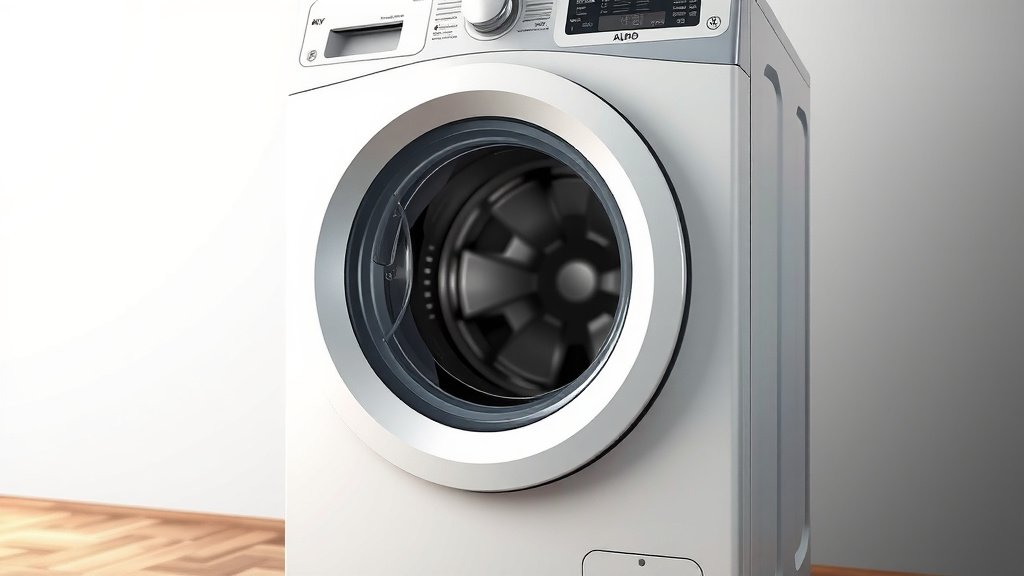
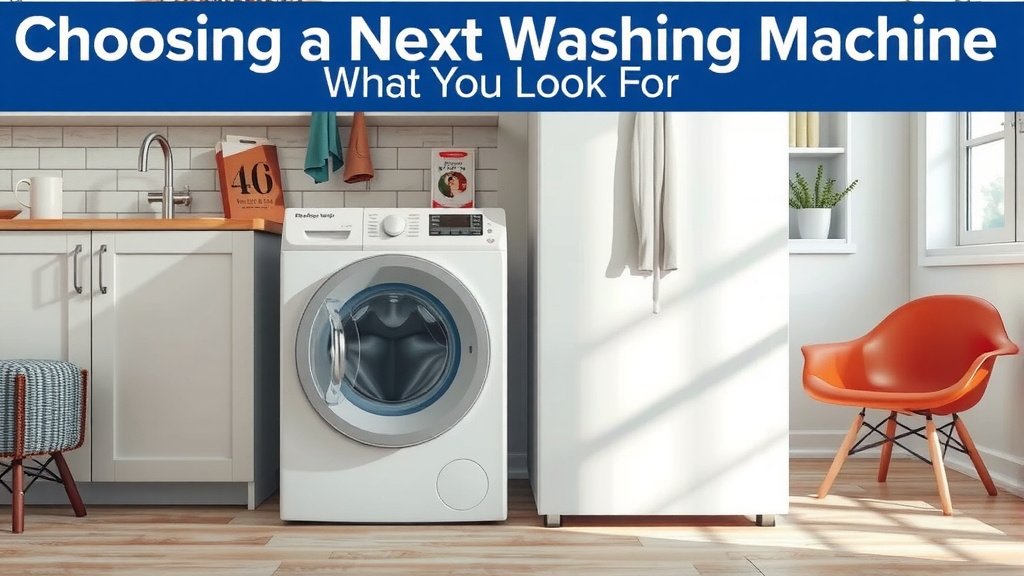
Choosing a New Washing Machine: What to Look For
When looking for a new washing machine, focus on your household’s needs and your available space. Consider capacity – how much laundry do you typically do? Top-loaders are often easier to load. Front-loaders tend to use less water and spin clothes drier. We found that matching machine features to your laundry habits makes a big difference.
It’s wise to compare energy efficiency ratings and noise levels. Some machines offer smart features that let you control them from your phone. Think about the types of fabrics you wash most often. Certain cycles or special features might be more useful than others for your garments. We found that reading user reviews can offer practical insights.
- Capacity matters most.
- Front vs. top load styles.
- Energy efficiency is key.
- Check noise levels.
- Smart features can be useful.
Let’s walk through exactly what to look for to find the perfect washing machine for your home.
Choosing Your Next Washing Machine
Picking a new washing machine can feel overwhelming. You’re juggling space, budget, and laundry needs. Our research shows focusing on a few key areas makes the process much simpler.
Understanding Capacity Needs
Think about how much laundry your household generates weekly. This is perhaps the **single most important factor** to consider. A family of five will need a much larger machine than a single person. Our findings indicate that a machine that’s too small means more loads and more time spent on laundry.
Typical Load Sizes
A standard load for a medium-sized machine is about 8 to 10 pounds. If you have a larger family, you might consider a high-capacity model that can handle 12 to 15 pounds or more. We found that larger capacities are great for bulky items like comforters and bedding, too.
Matching Capacity to Your Lifestyle
Are you constantly washing sports uniforms or baby clothes? Do you prefer to do one big laundry day per week? If so, a larger capacity makes a lot of sense. For those who do smaller, more frequent loads, a standard size might be perfectly adequate. Many experts suggest calculating your average load size to make the best choice (Consumer Reports).
Top-Load vs. Front-Load Washers
The style of your washer significantly impacts its performance and how you use it. Both top-load and front-load machines have distinct advantages. We found that understanding these differences is key to finding the right fit for your home.
Top-Load Washers: Easy Access and Simplicity
Top-load washers often come in two types: agitator and impeller. Agitator models have a central post that twists clothes. Impeller models use a low-profile disc. Top-loaders are generally easier to load and unload, as you don’t have to bend over as much. Many users find the controls more straightforward. We found that top-loaders are also typically less expensive upfront.
Front-Load Washers: Efficiency and Gentleness
Front-load washers use a tumbling action to wash clothes. They tend to be **more energy and water-efficient** than most top-loaders. This is because they use less water to begin with. They also spin clothes at higher speeds, extracting more water. This means less time in the dryer. Many users also report that front-loaders are gentler on fabrics. Some studies show they can clean clothes more thoroughly. However, they can be more expensive and require bending to load.
Energy and Water Efficiency Ratings
Saving money on utility bills is a smart goal. Look for the ENERGY STAR label when shopping. This certification means the appliance meets strict energy efficiency guidelines set by the U.S. Environmental Protection Agency. We found that ENERGY STAR certified washers use about 30% less energy and less water than standard models.
Understanding the Yellow Tag
The EnergyGuide label, often a yellow tag, provides an estimated annual energy cost. You can compare this directly between different models. This tag helps you see potential long-term savings. Many manufacturers are also developing low-water-use or water-saving technologies. We found that these can offer even greater environmental benefits.
Noise Levels and Vibration
Does your laundry room sit near a main living area? Or perhaps you do laundry late at night? If so, noise is an important consideration. Some washers can be quite loud and vibrate considerably. We found that newer models often incorporate advanced sound-dampening technology.
What to Listen For
Look for washers that advertise “quiet operation” or “vibration reduction.” Reading user reviews can be very helpful here. Real-world experiences often highlight how noisy or quiet a machine truly is. Some machines even have special suspension systems to minimize movement. We found that front-load washers are sometimes quieter than top-loaders.
Special Cycles and Features
Modern washers offer a wide array of cycles and features. Think about your typical laundry needs and what would genuinely make your life easier. Are you washing a lot of delicate items or heavily soiled work clothes? Consider these:
- Steam Cycles: These can help sanitize clothes and reduce wrinkles. Many experts say steam can be effective for allergen removal (Cleveland Clinic).
- Allergen Cycles: Specifically designed to remove pet dander, dust mites, and other allergens.
- Quick Wash: Perfect for lightly soiled items you need in a hurry.
- Sanitize Settings: Use higher temperatures to kill bacteria.
- Smart Features: Connect your washer to your smartphone for remote start, cycle notifications, and diagnostics.
Drum Material and Durability
The drum is where your clothes go. Most are made of stainless steel, which is durable and doesn’t rust or chip. Some less expensive models might have plastic or porcelain-coated drums. While these can be cheaper, they may not last as long or can chip, potentially snagging clothes. We found that stainless steel is generally the best choice for longevity and gentle fabric care.
User Reviews and Reliability Ratings
Don’t underestimate the power of customer feedback. Online reviews and reliability ratings from organizations like Consumer Reports can offer real-world insights. We found that machines with consistently high ratings for reliability tend to perform better over time. Look for patterns in reviews regarding common problems or praises. This can guide you toward a machine that’s built to last.
Budget and Long-Term Costs
While the initial purchase price is important, consider the total cost of ownership. This includes energy and water consumption, as well as potential repair costs. A more expensive, energy-efficient model might save you money in the long run. Many manufacturers offer warranties that can provide peace of mind. We found that balancing upfront cost with long-term savings is a wise approach.
Checklist for Your New Washer
Before you buy, run through this quick checklist:
- Is the capacity right for your household size?
- Do you prefer a top-load or front-load design?
- Does it have the ENERGY STAR label?
- Are the noise levels acceptable for your space?
- Do the special cycles meet your laundry needs?
- Is the drum made of durable stainless steel?
Conclusion
Finding your next washing machine doesn’t have to be a chore. By focusing on your household’s unique needs, from capacity to preferred load types, you can simplify your search. We’ve seen that considering efficiency, noise, and helpful cycles ensures you get a machine that works for you. Remember to check those user reviews for real-world performance. Your next step is to take this knowledge to the store or your favorite online retailer and apply this checklist. You’ll be enjoying cleaner clothes with less hassle before you know it.
Frequently Asked Questions
How much does a new washing machine typically cost?
The price of a new washing machine can range from around $500 for basic models to over $1,500 for high-end, feature-rich units. We found that front-loaders generally cost more upfront than top-loaders. Your budget will play a big role, but consider long-term energy savings too.
Are smart washing machines worth the extra cost?
Smart features can offer convenience, like starting loads remotely or receiving cycle notifications. Our research indicates they are most beneficial if you enjoy app integration. For some, the added cost might not be justified if you don’t use these connected functions regularly.
What is the best type of drum material for a washing machine?
Stainless steel drums are considered the best choice for durability and gentle fabric care. We found they resist rust and chipping, unlike plastic or porcelain-coated drums. This material also tends to offer better longevity for your appliance.
How do I know if a washing machine will fit in my laundry space?
Always measure your available space before shopping, including doorways and path clearance. Check the appliance’s dimensions against your measurements. We recommend leaving a few inches of space around the machine for proper ventilation and access.
Should I prioritize energy efficiency over a larger capacity?
It’s a balance between your needs. A larger capacity means fewer loads, saving you time. However, an energy-efficient model saves money on utility bills over time. We found that determining your most common laundry load size is key to finding the right capacity, then looking for efficiency within that size.
![7 Best Stacked Washer Dryer Combo [In 2026]](https://homeunderstandable.com/wp-content/uploads/2026/08/7-best-stacked-washer-dryer-combo-in-2026-featured-768x432.jpg)
![7 What Is The Best Small Washer And Dryer [In 2026]](https://homeunderstandable.com/wp-content/uploads/2026/08/7-what-is-the-best-small-washer-and-dryer-in-2026-featured-768x432.jpg)
![7 Best Apt Size Washer And Dryer [In 2026]](https://homeunderstandable.com/wp-content/uploads/2026/08/7-best-apt-size-washer-and-dryer-in-2026-featured-768x432.jpg)
![7 Best Washer Dryer Stackable Combo [In 2026]](https://homeunderstandable.com/wp-content/uploads/2026/09/7-best-washer-dryer-stackable-combo-in-2026-featured-768x432.jpg)