
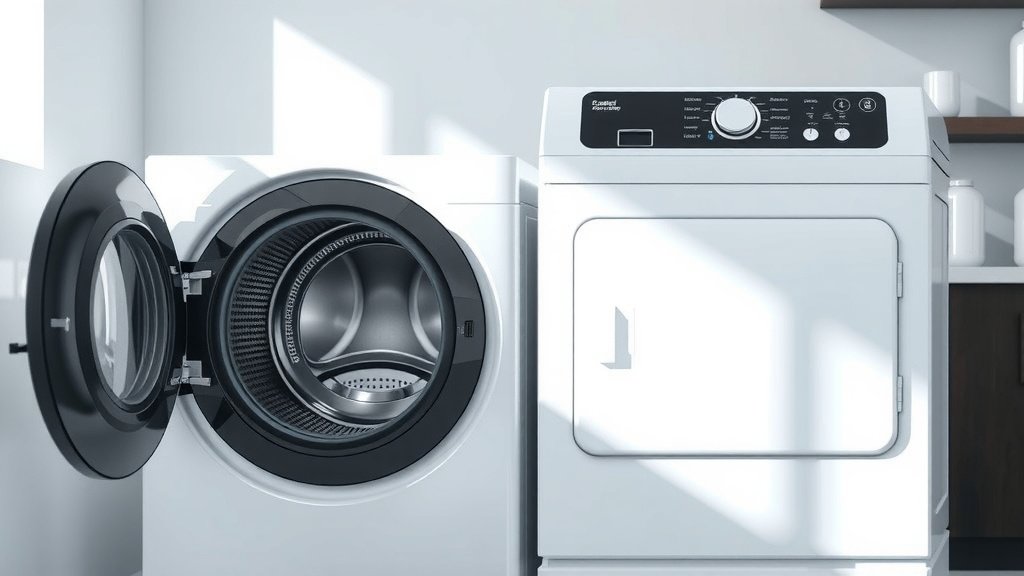
Gas Washer and Dryer Explained: Your Ultimate Guide
A gas washer and dryer is a laundry appliance system that uses natural gas or propane to heat the dryer’s air. This makes it a more energy-efficient option for drying clothes than electric models. Many homeowners choose gas for their lower operating costs.
When you’re looking at laundry appliances, understanding the differences is key. Gas dryers typically dry clothes faster and at a lower cost per load. This can lead to significant savings over time compared to their electric counterparts. You might be wondering if the initial setup is more complicated.
- Gas dryers use gas for heat, electric uses electricity.
- Gas is often cheaper to run per load.
- Gas dryers can heat up faster.
- Electric dryers might be easier to install.
- Both do the same basic job: clean and dry your clothes! Our guide to the best new washer and dryer sets can help you find a pair that will clean and dry your clothes efficiently.
We’ve researched how gas washer and dryer systems work, and we’re here to guide you through the details. Let’s walk through exactly what makes them tick and what you should consider.
Understanding Gas Washer and Dryer Systems
You’re curious about gas washer and dryer units, and that’s a great place to start. Basically, a gas dryer is a laundry appliance that uses natural gas or propane to generate heat. This heated air then tumbles with your wet clothes, helping to evaporate the moisture. It’s a common setup in many homes, especially where natural gas lines are readily available.
How a Gas Dryer Works Its Magic
Think of a gas dryer like a tiny, controlled furnace for your clothes. It draws in room air, which is then heated by a gas burner. This hot air is blown into the rotating drum where your clothes are. As the clothes tumble in the hot air, the moisture they contain turns into vapor. An exhaust vent then carries this moist air outside. It’s a pretty straightforward, efficient process for removing water from fabric.
The Burner: The Heart of the Heat
At the core of every gas dryer is its burner. This component ignites the gas to create a flame. Safety features are built-in, of course, to ensure this happens only when needed and in a controlled way. The amount of gas is regulated to achieve the desired temperature. This controlled heat is what allows gas dryers to often dry clothes faster than electric models.
Airflow and Exhaust: Getting the Moisture Out
Proper airflow is key. The dryer has a fan that pushes the heated air through the drum and then out through an exhaust vent. This vent needs to be clear and properly sized to ensure efficient drying. If the vent gets clogged or is too narrow, it can slow down drying times and even pose a fire risk. You’ll want to make sure your dryer vent is clean and unobstructed. We found that regular vent cleaning is a simple maintenance step that can save you time and energy.
The Washer Component: What About the “Washer” Part?
When people talk about a “gas washer and dryer,” they’re usually referring to a pair of appliances: a washing machine and a gas dryer. The gas aspect specifically applies to the dryer. The washing machine itself operates using electricity, just like any standard washing machine. It fills with water, agitates your clothes, and drains. The gas dryer is the separate appliance that takes over for the drying part.
Gas vs. Electric Dryers: Key Differences You Need to Know
When you’re choosing a dryer, the biggest decision is often gas versus electric. We’ve looked at the data, and here’s what stands out. Gas dryers use a gas line for heat, while electric dryers use a powerful heating element powered by electricity. This fundamental difference leads to several other distinctions in performance and cost.
Energy Efficiency and Operating Costs
Many sources suggest that gas dryers are generally more energy-efficient than their electric counterparts. This is primarily because natural gas is often cheaper per unit of energy than electricity. So, even though a gas dryer uses gas, the cost to heat the air can be lower. Over the lifespan of the appliance, this can translate into noticeable savings on your utility bills. We found that the cost per load for a gas dryer is typically lower.
However, the initial cost of the appliance can vary. You might also need to consider the cost of having a gas line installed if you don’t already have one. This is an important factor in the overall financial picture. Many homeowners find the long-term savings outweigh the potential upfront installation costs.
Drying Performance and Time
Gas dryers are known for heating up quickly and reaching higher temperatures faster. This often means they can dry clothes more quickly. If you have a busy household with a lot of laundry, faster drying times can be a real convenience. Think of it like a high-powered oven versus a standard one; the hotter one can cook things faster.
Electric dryers, while sometimes taking a bit longer, still do an effective job. Their performance can be excellent, especially in newer, more efficient models. The primary difference really comes down to speed and the energy source for that heat.
Installation Requirements
This is where you might see a bigger difference. Installing a gas dryer requires a gas line connection, a standard electrical outlet (for the controls and drum motor), and an exhaust vent. If your home already has a gas line suitable for an appliance, installation might be straightforward.
An electric dryer, on the other hand, typically needs a 240-volt electrical outlet. This is a different type of plug than what most standard appliances use. If you don’t have this type of outlet, an electrician will need to install one, which can add to the initial setup cost. We found that checking your home’s existing hookups is a crucial first step. Many experts recommend consulting an appliance installer or technician to ensure proper and safe setup.
Environmental Impact
When considering environmental impact, it’s a bit of a mixed bag. Natural gas is a fossil fuel, so burning it releases greenhouse gases. However, electricity generation can also have environmental consequences, depending on the energy sources used by your local utility (e.g., coal, natural gas, renewables). Some research suggests that gas dryers can be more efficient overall, leading to lower energy consumption per pound of laundry dried, which can offset some environmental concerns.
Safety Considerations
Both gas and electric dryers have built-in safety mechanisms. For gas dryers, proper installation and regular maintenance of the gas line and exhaust system are vital. Leaks from a gas line can be dangerous. It’s essential to have them installed by qualified professionals and to ensure vents are clear to prevent carbon monoxide buildup.
Electric dryers generally don’t pose the same risks related to gas leaks. However, any electrical appliance carries the risk of electrical shorts or overheating if not properly maintained or if faulty. Following manufacturer instructions for use and maintenance is key for the safety of both types.
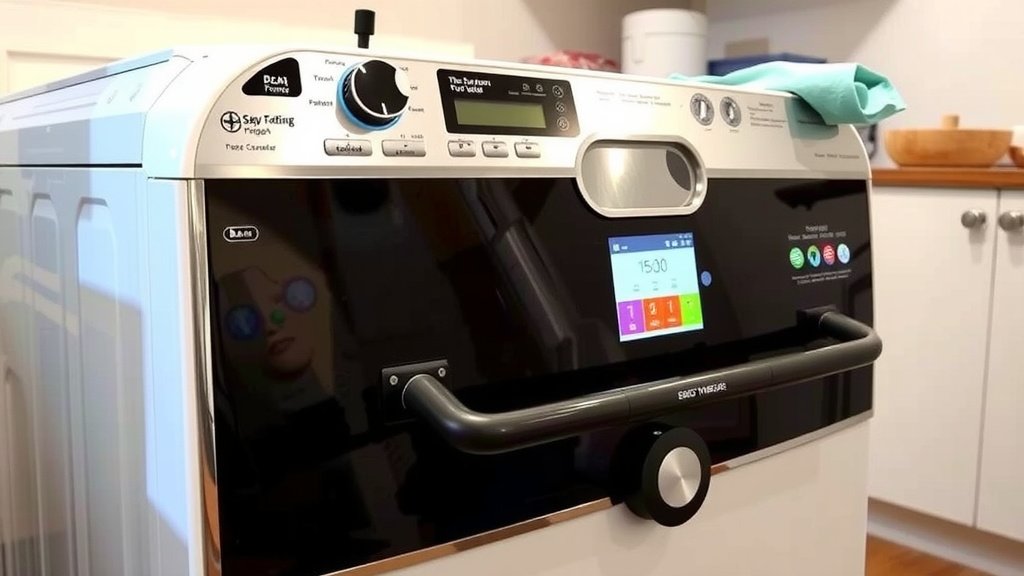
Making the Choice: What’s Right for Your Home?
Deciding between a gas and electric dryer really comes down to your specific home setup and priorities. Here’s a quick rundown to help you weigh your options.
Consider a gas dryer if:
- You have access to a natural gas line.
- You want potentially lower operating costs per load.
- You prioritize faster drying times.
- You don’t mind the potential upfront cost of gas line installation if needed.
Consider an electric dryer if:
- Your home doesn’t have a natural gas line.
- You already have a 240-volt outlet available for a dryer.
- You’re looking for a simpler installation process in many cases.
- The slightly higher operating cost per load isn’t a major concern.
Quick Checklist for Your Decision:
- Check for existing natural gas line hookups.
- Verify your electrical panel can support a 240-volt outlet if needed.
- Estimate your average drying needs and laundry volume.
- Compare the upfront costs of the appliance and any necessary installation.
- Look at your local utility rates for gas vs. electricity.
- Read reviews on specific models that interest you.
Conclusion
Choosing between a gas and electric dryer involves looking at your home’s setup and your laundry habits. We’ve seen that gas dryers often offer lower operating costs and faster drying times thanks to their efficient heating. Electric dryers, while potentially easier to install in some homes, may cost a bit more per load. Your best next step is to check your existing hookups and utility rates. This practical step will guide you to the most convenient and cost-effective choice for your household.
Frequently Asked Questions
Do I need a special outlet for a gas dryer?
Yes, while the dryer runs on gas for heat, it still needs electricity to power the drum motor, timer, and other controls. You’ll need a standard 120-volt electrical outlet for this. This is less demanding than the 240-volt outlet typically required for electric dryers.
How much more expensive is a gas dryer to run?
Generally, gas dryers are less expensive to run per load than electric dryers. This is because natural gas is often cheaper per unit of energy than electricity. The exact savings will depend on your local utility rates and how often you do laundry.
Can I convert my electric dryer to gas?
No, you cannot convert an electric dryer to run on gas. These appliances have fundamentally different heating mechanisms. You would need to purchase a new gas dryer if you wish to switch from electric.
Is a gas dryer safe to have in my home?
Gas dryers are safe when properly installed and maintained. It’s essential to ensure your gas line is leak-free and that the exhaust vent is clear to prevent carbon monoxide buildup. Always use qualified professionals for installation and follow manufacturer safety guidelines.
What maintenance do gas dryers require?
Regular maintenance for a gas dryer includes cleaning the lint trap after every use and ensuring the exhaust vent is clear of lint and obstructions. Periodically checking the gas line connection for any issues and keeping the exterior clean will also help your dryer run efficiently and safely.
![7 Best Stackable Washer/Dryer [In 2026]](https://homeunderstandable.com/wp-content/uploads/2026/08/7-best-stackable-washer-dryer-in-2026-featured-768x432.jpg)
![7 Best Condo Size Stackable Washer And Dryer [In 2026]](https://homeunderstandable.com/wp-content/uploads/2026/08/7-best-condo-size-stackable-washer-and-dryer-in-2026-featured-768x432.jpg)
![7 Best Front Load Stackable Washer Dryer [In 2026]](https://homeunderstandable.com/wp-content/uploads/2026/09/7-best-front-load-stackable-washer-dryer-in-2026-featured-768x432.jpg)