
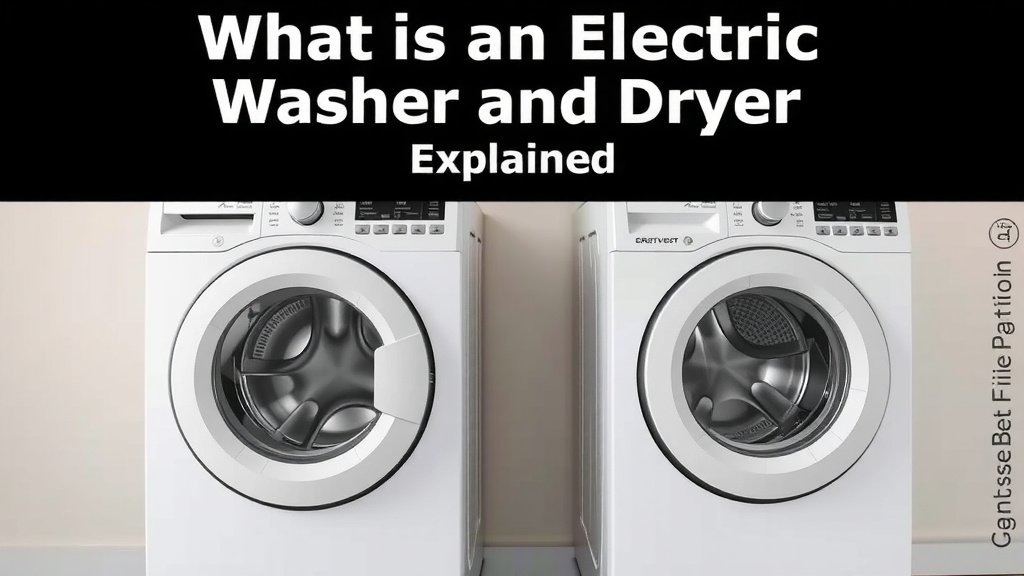
What is an Electric Washer and Dryer Explained
An electric washer and dryer Our guide to the best new washer and dryer sets can help you find a great option. is a laundry appliance system that uses electricity to power both washing and drying functions. Unlike gas dryers, which require a gas line, these units plug into a standard electrical outlet. They are a common choice for many homes because they are relatively easy to install and maintain.
These appliances are designed for convenience, allowing you to wash and dry your clothes in one place. Many modern electric washer and dryer sets offer a variety of cycles and features to handle different fabric types and soil levels. You’ll find options for everything from delicates to heavy-duty loads, making laundry day a bit simpler. They are a reliable solution for most households.
- An electric washer and dryer uses electricity for both washing and drying.
- They don’t require a gas line, making installation straightforward.
- These units offer various settings for different laundry needs.
- They provide a convenient all-in-one laundry solution.
- Installation is typically easier than with gas appliances.
Let’s break down what makes an electric washer and dryer tick and what you should consider when looking for one.
Understanding Your Electric Laundry Pair
So, you’re curious about what exactly makes an electric washer and dryer tick? It’s simpler than you might think! At its core, an electric washer and dryer is a dynamic duo that uses electricity to get your clothes clean and dry. Unlike their gas-powered counterparts, these units rely solely on your home’s electrical outlets. This makes them a popular choice for many homeowners because installation is usually a breeze.
Think of your washing machine as the first act. It uses electricity to fill with water, agitate your clothes with detergent, and then spin them to remove excess water. The dryer, the second act, takes those damp clothes and tumbles them in heated air, also powered by electricity, until they’re dry and ready to be put away. It’s a coordinated effort, all humming along thanks to that electrical current.
How Your Electric Washer Works
Your electric washing machine is designed to tackle dirt and grime efficiently. When you start a cycle, it first draws water into the drum. This water mixes with the detergent you’ve added, creating a cleaning solution. Then, the magic happens: the drum begins to move, agitating your clothes. This tumbling action helps loosen dirt from the fabric fibers.
After the wash cycle, the machine drains the dirty water. It then fills with clean water for a rinse cycle to remove any remaining soap. Finally, the washer enters its spin cycle. It spins at high speeds, forcing much of the water out of your clothes through centrifugal force. This leaves your clothes damp, but significantly less so, preparing them perfectly for the dryer.
The Main Components of an Electric Washer
Inside your washing machine, several key parts work together. You have the drum, where the clothes go, which rotates to agitate and spin. The motor provides the power for this rotation. A water inlet valve controls how much hot and cold water enters the machine. And of course, the pump is essential for draining the water out after each stage.
Control panels, whether they’re simple knobs or sophisticated digital displays, are your command center. They allow you to select the right cycle, water temperature, and spin speed for your specific load. We found that understanding these basic components can make troubleshooting minor issues much easier!
The Role of the Electric Dryer
Once your washer has done its job, the electric dryer takes over. Its primary function is to remove the remaining moisture from your clothes. It does this by tumbling the damp laundry in a heated drum. The heat, generated electrically, helps evaporate the water. A fan then circulates this warm, moist air out of the dryer and, typically, through a vent to the outside.
The tumbling action ensures that all parts of the clothes are exposed to the heat evenly. This prevents them from clumping together and promotes faster, more uniform drying. You can usually select different heat settings and drying times based on the fabric type and how dry you want your clothes to be.
Key Parts of Your Electric Dryer
An electric dryer also has its essential components. The drum, similar to the washer’s, tumbles your clothes. The heating element is where the electric heat is generated. A motor powers the drum’s rotation and the fan. The blower wheel or fan is crucial for moving air through the dryer. And the thermostat regulates the temperature to prevent overheating.
The lint filter is a critical part of any dryer. It traps lint and fibers from your clothes. Keeping this filter clean after every load is vital. We found that a clogged lint filter is one of the most common reasons for longer drying times and potential fire hazards (Consumer Product Safety Commission).
Electric vs. Gas Dryers: What’s the Difference?
This is a big question for many people deciding on their laundry setup. The main difference lies in how they generate heat. Electric dryers use an electric resistance heating element, much like a toaster or space heater. Gas dryers, on the other hand, use a gas burner that ignites natural gas or propane.
Here’s a quick comparison:
| Feature | Electric Dryer | Gas Dryer |
|---|---|---|
| Power Source for Heat | Electricity | Natural Gas or Propane |
| Installation Requirements | Standard electrical outlet (often 240V) | Electrical outlet + Gas line hookup |
| Typical Energy Cost | Can be higher, depending on electricity rates | Often lower, depending on gas rates |
| Drying Speed | Generally a bit slower | Often faster |
| Initial Cost | Often less expensive upfront | Can be more expensive upfront |
Many households opt for electric because running a gas line can be costly or simply not feasible. If you already have a 240-volt outlet, an electric dryer is a very straightforward choice. If you have access to a gas line, a gas dryer might offer long-term energy savings, though installation is more involved.
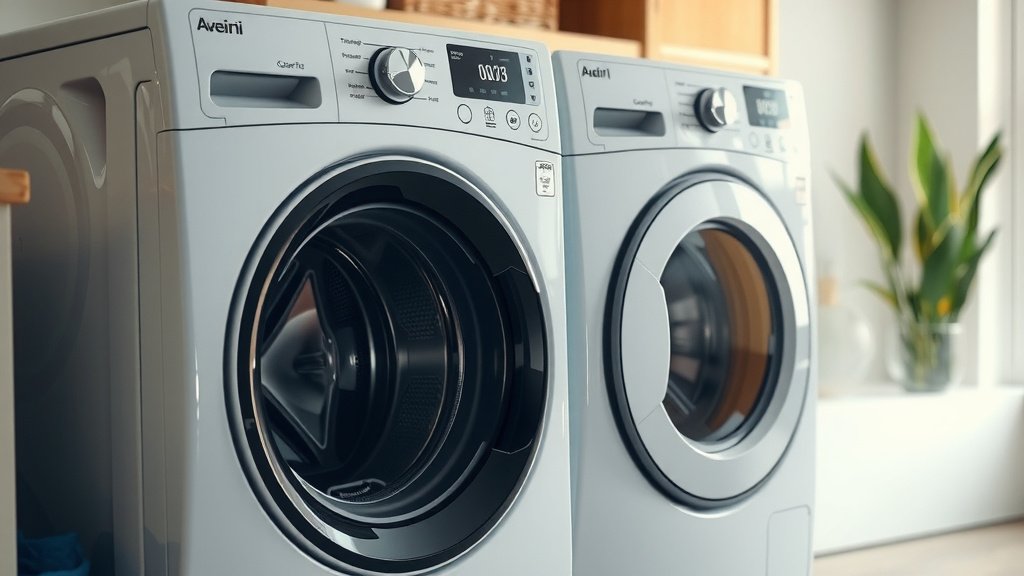
Choosing the Right Electric Washer and Dryer for You
When you’re shopping for an electric washer and dryer, there are a few things to consider. First, think about the size and capacity. Do you have a large family with big loads, or are you usually washing for one or two? Matching the capacity to your needs will save you time and energy.
Next, look at the different cycles and features. Most modern machines offer specialized cycles for delicates, bulky items, quick washes, and more. Some even have steam functions for sanitizing or wrinkle reduction. Decide which features are “must-haves” and which are just nice-to-haves. Energy efficiency is also a big plus. Look for the ENERGY STAR® label, which indicates that the appliance meets strict energy efficiency guidelines set by the EPA. This can lead to savings on your utility bills over time.
Installation Considerations
For electric models, you’ll typically need a 240-volt outlet for the dryer, in addition to a standard 120-volt outlet for the washer. This is a common setup in most homes built in the last few decades. Always check your home’s electrical panel to ensure you have the correct type and amperage available, or consult with an electrician. Proper venting for the dryer is also crucial for safety and performance. The vent hose should be kept as short and straight as possible.
You’ll also need water hookups for the washer and a drain. Most standard hookups will work fine. If you’re replacing an old unit, measure the space carefully to ensure the new machines will fit. Don’t forget to account for hoses and clearance for opening doors!
Maintenance Tips for Longevity
To keep your electric washer and dryer running smoothly for years to come, a little regular maintenance goes a long way. For your washer, we found that wiping down the door seal and detergent dispenser regularly can prevent mold and mildew buildup. Running an empty hot water cycle with vinegar or a washing machine cleaner every few months can also help keep the inside fresh (Cleveland Clinic).
For the dryer, as mentioned, the lint filter is your best friend. Clean it after every single load. Periodically, you’ll want to clean the dryer vent ductwork thoroughly. Accumulated lint in the vent is a serious fire hazard and also reduces drying efficiency. Many experts recommend a professional vent cleaning annually.
Troubleshooting Common Issues
Are you experiencing longer drying times? First, check that lint filter! Then, ensure the dryer vent isn’t blocked. Is your washer leaving clothes too wet? Make sure you’re not overloading the machine and that the spin cycle is selected correctly. A vibrating or noisy washer or dryer could mean it’s not sitting level on the floor. You can often adjust the leveling feet.
If you’re unsure about a specific issue, it’s always best to consult your appliance’s user manual. It often has a troubleshooting section that can help you diagnose and fix common problems. For more complex issues, calling a qualified appliance repair technician is the safest bet.
A Quick Checklist for Your Electric Laundry Pair
- Verify you have the correct electrical outlets available.
- Ensure adequate space for both units and door clearance.
- Check if your home has proper venting capabilities for the dryer.
- Consider the capacity needed for your household size.
- Look for ENERGY STAR® certification for potential energy savings.
- Read reviews for reliability and user satisfaction.
Conclusion
You’ve now got a clear picture of what makes an electric washer and dryer a reliable choice for your home. They harness electricity to efficiently clean and dry your clothes, offering a convenient, all-in-one laundry solution without the need for gas lines. Understanding their basic components and how they work can help you make an informed decision when shopping. Remember to consider your household’s needs for capacity and desired features. Taking the time to check installation requirements and perform regular maintenance will ensure your laundry pair serves you well for years to come. Ready to upgrade your laundry room? Start by assessing your available space and electrical capabilities!
Frequently Asked Questions
Do electric washers use hot water from my home’s water heater?
Yes, your electric washer will connect to your home’s hot and cold water lines. It mixes these to achieve the selected wash temperature. The heating element inside the dryer is what uses electricity to generate heat for drying clothes.
Are electric dryers more expensive to run than gas dryers?
This can vary greatly depending on your local utility rates. Generally, gas dryers are often cheaper to operate because natural gas is typically less expensive than electricity per unit of energy. However, installation costs for gas lines can be higher.
What kind of electrical outlet does an electric dryer need?
Most electric dryers require a 240-volt outlet. This is a different type of outlet than what a standard appliance like a TV or lamp uses (which is 120-volt). It’s essential to verify you have this outlet available or consult an electrician.
How often should I clean my electric dryer’s lint filter?
You should clean the lint filter after every single load. This is crucial for safety, as lint buildup is a fire hazard. It also helps your dryer run more efficiently, reducing drying times and energy use.
Can I use an electric washer and dryer if I don’t have a dedicated vent for the dryer?
For safety and performance, a vent is highly recommended for electric dryers. While ventless electric dryers do exist, they often use a condenser or heat pump system and may take longer to dry clothes. Traditional vented electric dryers exhaust moist air outside.


![7 Best Washer Dryer Combo Deals [In 2026]](https://homeunderstandable.com/wp-content/uploads/2026/09/7-best-washer-dryer-combo-deals-in-2026-featured-768x432.jpg)
![7 Best Washer And Dryer For Condos [In 2026]](https://homeunderstandable.com/wp-content/uploads/2026/08/7-best-washer-and-dryer-for-condos-in-2026-featured-768x432.jpg)