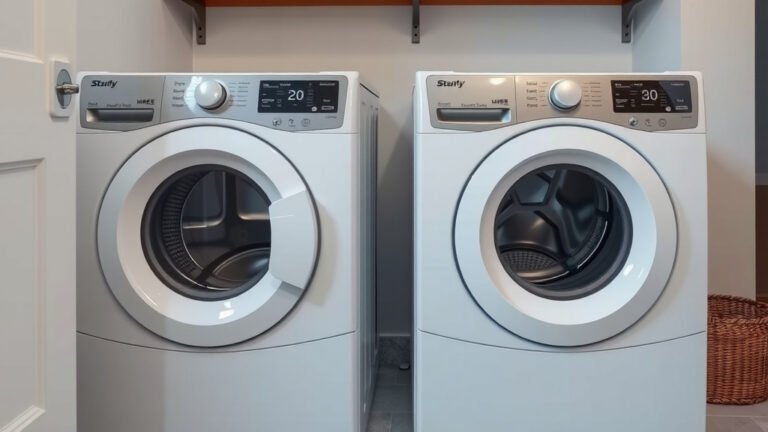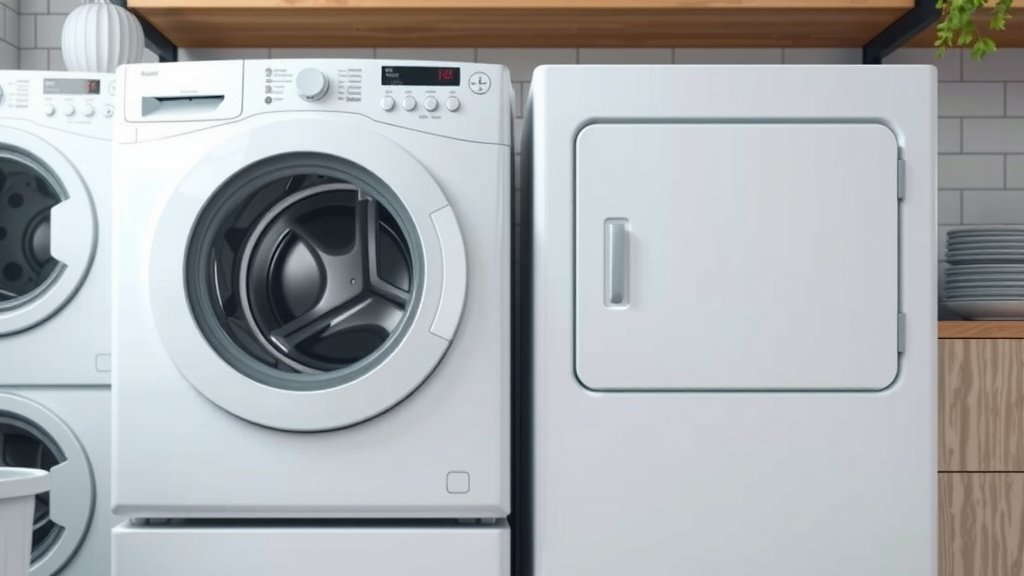
Stackable Washer Dryer Depth: What You Need to Know
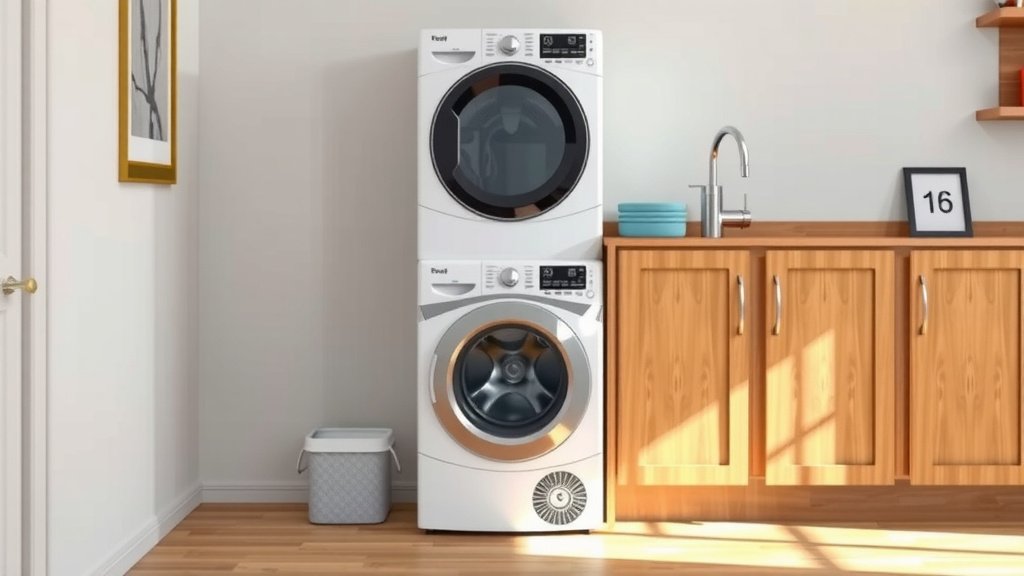
The depth of a stackable washer and dryer can vary, but most units typically range from 27 to 30 inches deep. This measurement usually includes the doors and hoses. When considering your laundry space, it’s essential to account for this depth to ensure a proper fit.
Stackable units are designed for smaller living spaces Our guide to the best stackable washer dryers offers top picks for apartment living.. They offer a compact solution for doing laundry. Understanding the exact dimensions, including depth, is key to a successful installation and avoiding clearance issues. You’ll want enough room for the machines themselves and perhaps a little extra for ventilation.
- Most stackable washer/dryer units are about 27-30 inches deep.
- This measurement includes protruding parts like doors and hoses.
- Depth is a key factor for fitting machines in tight laundry areas.
- Always check specific model dimensions before buying.
Let’s dive into the specifics of stackable washer and dryer depths and what you need to measure to make sure your new appliance fits perfectly in your home.
Understanding Stackable Washer and Dryer Depth for Your Space
So, you’re looking at stackable washer and dryer units, and your mind is buzzing with questions about how they’ll fit. One of the most common concerns is depth. It’s easy to overlook, but this measurement can make or break your laundry room setup. Let’s get a clear picture of what you’re dealing with.
Generally, when you look at the specifications, the depth of a stackable washer and dryer is measured from the very back of the unit to the front-most point. This usually includes the door and any handles or control panels that stick out. It’s the total space the appliance will occupy from wall to its furthest outward point. Most models fall within a pretty tight range, which is good news for planning. For more details on appliance dimensions, our guide to front load washer depth explains typical measurements.
What’s the Standard Depth Range?
We found that most stackable washer and dryer units measure between 27 and 30 inches deep. This is a common size, and manufacturers tend to stick close to it to ensure compatibility with standard laundry spaces. Think of it as the industry’s best guess for fitting into typical alcoves or closets.
This range often includes the depth of the machine itself plus the protrusion of the doors. You might see slight variations between brands and even between specific models from the same brand. Some might be closer to 28 inches, while others push up to the 30-inch mark. It’s always best to check the exact manufacturer specifications for the model you’re eyeing.
Including the Doors: A Crucial Detail
The door is a big part of the overall depth. When a stackable unit is closed, the door sits proudly on the front. This adds a few inches to the base depth of the machine. Many measurements will account for this, but it’s worth double-checking if the listed depth includes the door handle or control panel sticking out.
You’ll also want to consider how much the door swings open. If your laundry area is very tight, you might need extra clearance for accessing the drum or even for ventilation. This is where thinking beyond just the appliance’s footprint becomes important.
Beyond the Standard: What Influences Depth?
While 27-30 inches is the common zone, a few things can nudge a unit outside this range, or at least make you think about it differently.
Control Panels and Handles
Some units have control panels or handles that extend slightly beyond the main body. These aren’t usually huge, but in a snug spot, every inch counts. It’s a good idea to measure from the wall to the very tip of the handle or control panel to get a true sense of clearance needed.
Rear Protrusions: Hoses and Venting
Don’t forget about the back! While the main body depth is key, the connections for water hoses and the dryer vent can add extra inches. For front-loading stackable units, the water hoses usually connect at the back, and you’ll need a few inches of space for them to bend without kinking. For dryers, the vent hose is another factor.
We found that many manufacturers recommend leaving at least 4 to 6 inches of clearance behind the unit for proper venting and hose connection. This is critical for the appliance to function efficiently and safely. Without adequate space, you risk poor drying performance and potential fire hazards due to lint buildup (National Fire Protection Association).
Measuring Your Laundry Space: A Step-by-Step Guide
Now that you know the general dimensions, let’s talk about how you measure your own space. This is where you become the detective, and your tape measure is your best tool.
Where to Measure
You’ll want to measure three main areas:
- The Width: From one wall to the other where the unit will sit.
- The Height: From the floor to the ceiling or any overhead cabinets.
- The Depth: This is our main focus. Measure from the back wall to the front of any existing obstructions like a doorframe, a vanity, or a counter.
When measuring depth, be precise. Get into the corner where the appliance will sit. Measure from the very back wall to the edge of whatever is in front of it. This gives you your maximum available depth. You’ll then compare this to the appliance’s listed depth, remembering to add that crucial space for hoses and venting.
Accounting for Clearance: More Than Just the Machine
It’s not just about the appliance fitting snugly. You need breathing room. This clearance is essential for several reasons:
- Ventilation: Appliances, especially dryers, generate heat. Good airflow prevents overheating and improves efficiency.
- Maintenance: If a hose bursts or a filter needs cleaning, you’ll want some wiggle room to access it.
- Door Swing: As mentioned, if you have a front-loader, you need space for the door to open fully without hitting anything.
- Cord and Hose Connections: These parts can be bulky and need space to connect without being crushed.
Many appliance installation guides recommend at least 1 inch of clearance on the sides and top for airflow. For the back, as we touched on, it can be more like 4-6 inches, especially for the dryer vent. This isn’t just a suggestion; it’s often a requirement for warranty coverage.
Common Scenarios and How Depth Affects Them
Let’s look at a few typical laundry setups and how stackable unit depth plays a role.
Closet Installations
If you’re putting your stackable units in a closet, the depth is paramount. Closets are often built to standard stud depths, which can be limiting. You’ll need to ensure the appliance depth, plus hose/vent clearance, doesn’t exceed the closet’s internal measurement. Measure from the back of the closet to the closet door frame.
Alcove or Nook Setups
Similar to closets, alcoves can be tight. You might have walls on three sides. Measure from the back wall to the front edge of the alcove. Remember to factor in any baseboards on the back wall, as they can add an inch or so!
Open Floor Plan Laundry Areas
Even in an open area, depth matters. You might have the units against a wall, but you’ll still need to consider the pathway in front. If the units stick out too far, they can impede traffic flow. You’ll want enough space to walk by comfortably, perhaps 24-36 inches of clear walkway space.
Key Measurements to Note Before You Buy
Before you click “add to cart” or head to the store, grab your tape measure and a notepad. Here’s a quick checklist of what you absolutely need to know.
- The depth of your available laundry space from the back wall to the front obstruction.
- The depth of the specific stackable unit you are interested in (check the manual or product page).
- Protrusion of door handles or control panels on the unit.
- Required clearance space behind the unit for hoses and venting (typically 4-6 inches for dryers).
- Clearance needed in front for door swing (if applicable).
By taking these measurements and keeping our general depth ranges in mind, you’ll be well on your way to finding a stackable washer and dryer that fits your space perfectly. It’s all about a little planning and a lot of measuring!
Conclusion
You’ve learned that stackable washer and dryer depths typically range from 27 to 30 inches. This measurement includes doors and handles, so always check the exact specs. Remember to account for essential clearance behind the units for hoses and venting, usually 4-6 inches for dryers. Proper measurement of your space, including the back wall to front obstructions, is key. Don’t forget to factor in door swing space if you have front-loaders. Taking these steps ensures your stackable laundry set fits perfectly and functions efficiently. Your next step is to grab your tape measure and verify your laundry space dimensions before you shop!
Frequently Asked Questions
Do I need to add extra space to the listed depth for installation?
Yes, you often do. The listed depth usually covers the appliance itself, but you’ll need additional inches behind it for water hoses and dryer vent connections. We found that 4 to 6 inches is a common recommendation for this clearance, especially for dryers.
Will the depth measurement include the door when it’s open?
No, the standard depth measurement typically only accounts for the appliance when the door is closed. If you have a front-loading unit, you’ll need to measure the space required for the door to swing open fully without hitting walls or other obstacles.
Are there any stackable units that are shallower than 27 inches?
While 27-30 inches is the most common range, some compact or apartment-sized stackable units might be slightly shallower. However, these are less common, and you’ll need to carefully check the product specifications for any model you consider.
Does the dryer vent hose add significantly to the overall depth needed?
Yes, the dryer vent hose and its connection can add to the depth requirement. You need enough space for the hose to connect securely without sharp bends, which can impede airflow and cause lint buildup. This is why the 4-6 inches of rear clearance is so important.
What if my laundry space has baseboards? How do they affect depth measurement?
Baseboards can add an inch or two to your measured depth. When measuring from the back wall, be sure to measure to the very front edge of the baseboard. You’ll need to ensure the appliance depth plus any necessary clearances doesn’t exceed this measurement.
![7 Washing Machines Best Deals [In 2026]](https://homeunderstandable.com/wp-content/uploads/2026/08/7-washing-machines-best-deals-in-2026-featured-768x432.jpg)
![7 What Front Load Washing Machine Is Best [In 2026]](https://homeunderstandable.com/wp-content/uploads/2026/09/7-what-front-load-washing-machine-is-best-in-2026-featured-768x432.jpg)