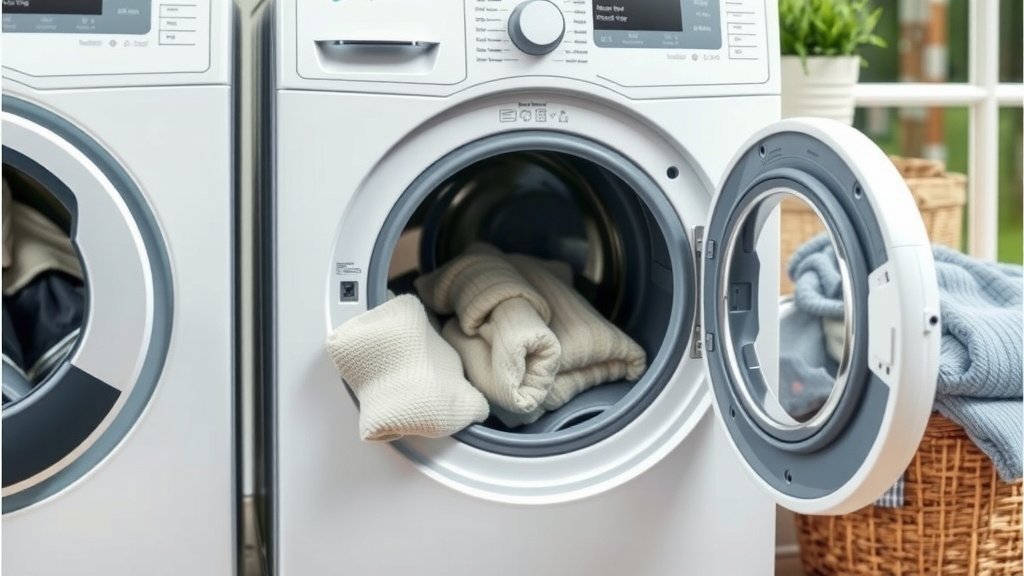
Front Load Washer Cleaning: How It Works
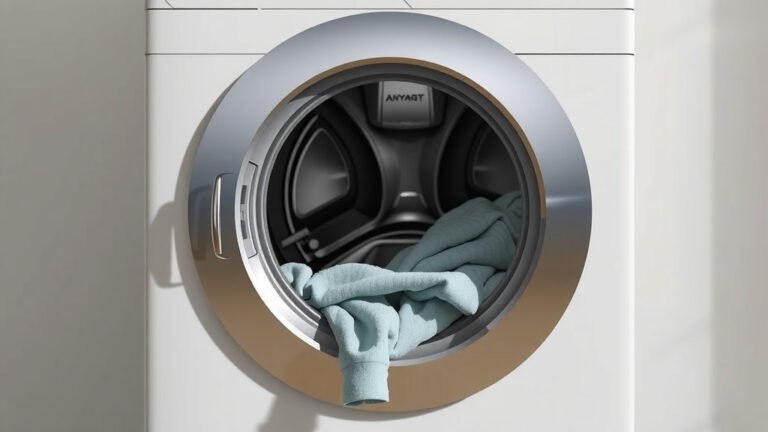
A front load washer cleans clothes by using a tumbling action to lift clothes and drop them into the water. This motion helps to agitate the clothes and loosen dirt. It’s a gentle yet effective cleaning method that uses less water and energy than older models.
Unlike top-load washers that rely on an agitator or impeller to move clothes, front loaders use gravity. The drum rotates, flipping clothes over and over. This repeated motion allows detergent to penetrate fabrics thoroughly. We found this method to be particularly good for delicate items.
- Front loaders tumble clothes for cleaning.
- They use gravity and rotation, not an agitator.
- This method is water and energy efficient.
- It’s also gentler on your laundry.
- Detergent gets into fabrics better.
Ready to understand how this magic happens? Let’s walk through exactly how your front load washer gets your clothes sparkling clean, step by step.
Understanding How Your Front Load Washer Works
It’s fascinating to think about the science behind getting your clothes clean. Your front load washer uses a clever tumbling action. This method is quite different from older washing machines. Let’s break down exactly what happens inside that drum to make your laundry fresh.
The Drum’s Dance: Tumbling Action Explained
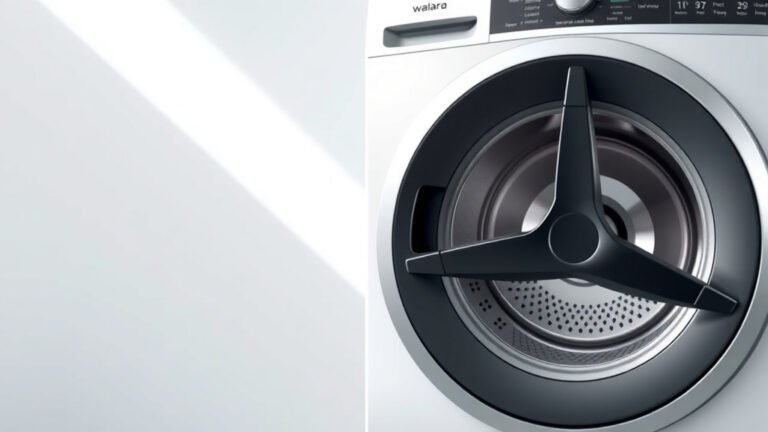
The core of your front load washer’s cleaning power lies in its rotating drum. Unlike top-loaders that might use a central agitator, front loaders rely on gravity and the drum’s movement. The drum lifts your clothes up, and then they gently tumble back down into the water and detergent mixture. This repeated motion is key to loosening dirt and stains.
Gravity and Rotation: The Dynamic Duo
Imagine a gentle massage for your clothes. That’s essentially what the tumbling action provides. As the drum turns, clothes are carried upwards by baffles (the little ribs inside the drum). Once they reach the top, gravity takes over, and they fall back down. This constant movement ensures every part of your laundry gets exposed to the cleaning solution.
Water and Detergent: The Cleaning Solution
Your front loader uses a specific amount of water at the bottom of the drum. This is a big difference from top-loaders, which often fill the entire tub. The clothes are then dipped into this water and detergent mix as the drum rotates. This conserves water, which is great for your bills and the environment. Many sources suggest this efficiency is a major benefit (U.S. Department of Energy).
The Role of Detergent
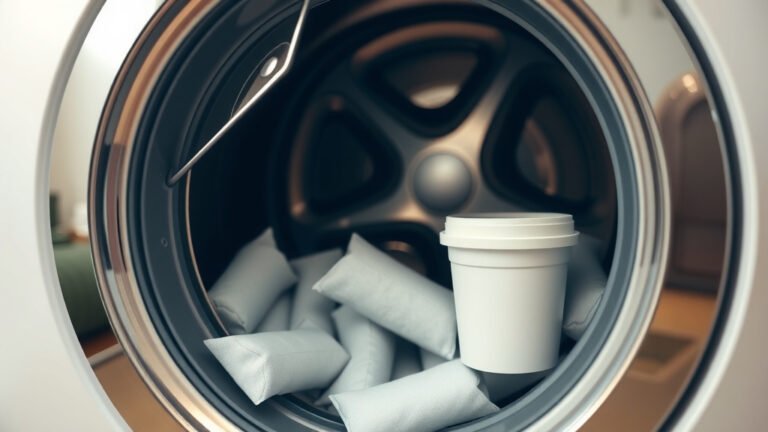
High-efficiency (HE) detergents are specifically designed for front-load washers. They create fewer suds. This is important because too many suds can cushion the clothes, reducing the tumbling action and the washer’s ability to clean effectively. The detergent works to break down oils, grease, and grime from the fabrics as they tumble.
The Washing Cycle Stages
Every wash cycle on your machine has a few distinct phases. Understanding these can help you appreciate the process even more and ensure you’re getting the best results for your laundry.
1. Filling and Soaking
The cycle begins with the machine adding a measured amount of water to the bottom of the drum. Then, the detergent is dispensed. Your clothes get a chance to absorb the water and detergent. This initial soak helps to pre-condition the fabrics and start loosening any surface dirt.
2. The Tumbling Wash
This is where the magic really happens. The drum starts to rotate, lifting your clothes and letting them tumble. You’ll notice the drum might spin slowly at first, then pick up speed. This agitation, powered by gravity and rotation, is the primary cleaning action. Different cycles will vary the speed and duration of the tumble. For instance, a delicate cycle will tumble much more gently than a heavy-duty cycle.
3. Draining and Rinsing
Once the main wash phase is complete, the dirty water is pumped out. Then, the drum refills with clean water for the rinse cycle. Your clothes will tumble again, this time in clean water, to remove any remaining detergent and loosened dirt. This rinsing step is crucial for preventing detergent residue from irritating your skin.
Multiple Rinses for Extra Cleanliness
Many machines offer an option for an extra rinse. We found this particularly helpful for items like baby clothes or for anyone with sensitive skin. It ensures that absolutely all traces of detergent are removed. Checking your machine’s manual can tell you if this feature is available.
4. Spinning to Remove Water
The final stage is the spin cycle. The drum rotates at very high speeds. This centrifugal force presses the water out of your clothes and into the bottom of the outer tub, where it’s then drained away. The faster the spin speed, the more water is extracted, meaning your clothes will come out drier and require less time in the dryer.
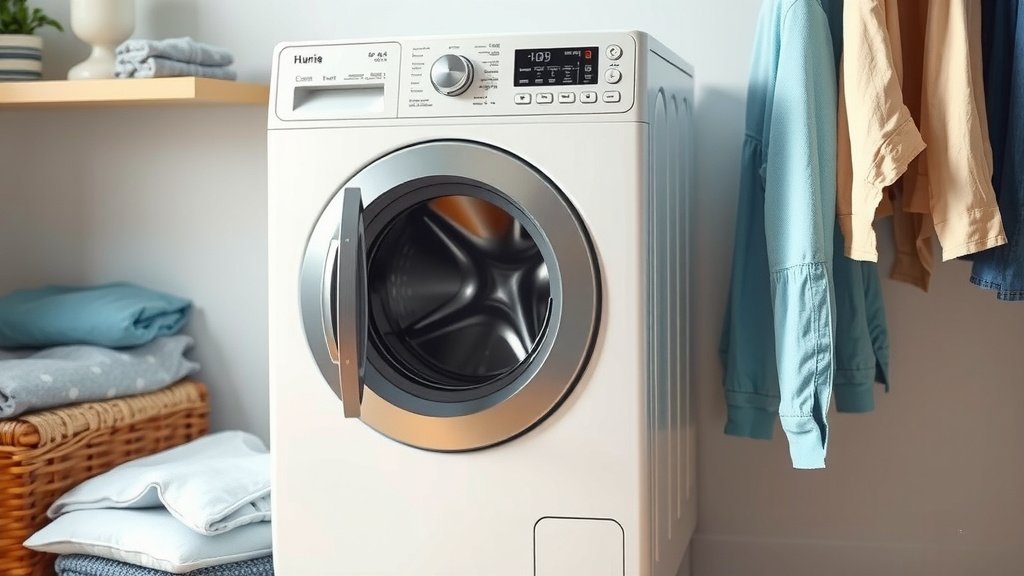
Why Front Loaders Are So Effective
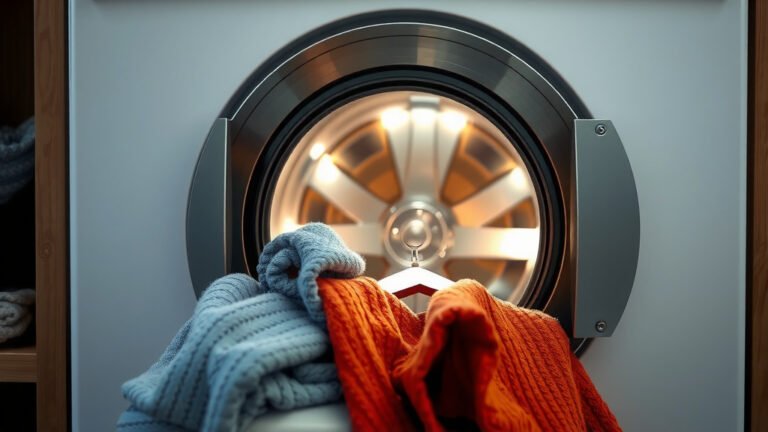
The tumbling action is not just about cleaning; it’s also about being kinder to your clothes. Because there’s no harsh agitator, the fabrics experience less wear and tear. We found that items like sweaters, delicates, and even towels seem to last longer when washed in a front loader. The efficiency in water and energy use is also a significant advantage for many households.
Gentle Yet Powerful Cleaning
Think of it this way: a top-loader’s agitator can twist and pull at fabrics, sometimes leading to stretching or pilling. A front-loader’s tumble is more like washing by hand, but with the power of mechanical action. This means you can confidently wash a wider variety of fabrics without worrying about damage.
Water and Energy Savings
The reduced water usage in front-loaders is a key selling point. Because they only need to fill the bottom of the drum, they use significantly less water per load compared to many traditional top-loaders. This also translates to energy savings because the machine heats less water. Research from energy organizations consistently shows front-loaders to be more efficient (Energy Star).
A Checklist for Optimal Cleaning:
- Always use an HE detergent.
- Don’t overload the drum; clothes need room to tumble.
- Clean the door seal regularly to prevent mold.
- Wipe down the drum after each use if possible.
- Run a cleaning cycle monthly with a washing machine cleaner.
- Choose the right cycle for your load type.
Conclusion
You now have a clear picture of how your front load washer gets clothes clean. It’s all about the gentle yet effective tumbling action. This method uses gravity and rotation to lift and drop clothes, allowing detergent to work its magic without harsh agitation. You’ve learned about the different stages of the wash cycle, from soaking to spinning. By understanding these steps, you can ensure your clothes are cleaned efficiently and cared for properly. To get the best results, remember to always use HE detergent and don’t overload your machine for optimal tumbling.
Frequently Asked Questions
Do front load washers really clean better than top loaders?
Front load washers often clean more effectively due to their tumbling action. This method allows detergent to penetrate fabrics deeply. It’s also gentler, reducing wear and tear on your clothes compared to the agitator in many top-loaders.
Why do front loaders use less water?
Front load washers only need to fill the bottom portion of the drum with water. Your clothes then tumble through this concentrated detergent solution. This design significantly reduces water consumption per load, making them more eco-friendly.
Can I use regular detergent in my front load washer?
No, you should always use High-Efficiency (HE) detergent. Regular detergents create too many suds. Excessive suds can hinder the tumbling action and prevent the washer from cleaning properly.
How often should I clean my front load washer?
It’s a good idea to clean your front load washer at least once a month. You can use a specialized washing machine cleaner or a vinegar solution. Regularly cleaning the door seal and drum also helps prevent mold and odors.
Why does my front load washer smell musty?
Musty smells are often caused by moisture trapped in the door seal and drum. Always leave the door slightly ajar after use to allow air circulation. Wipe down the rubber gasket around the door regularly to remove any residue.