2 Gallon vs 6 Gallon Air Compressor: Which Is Right for You
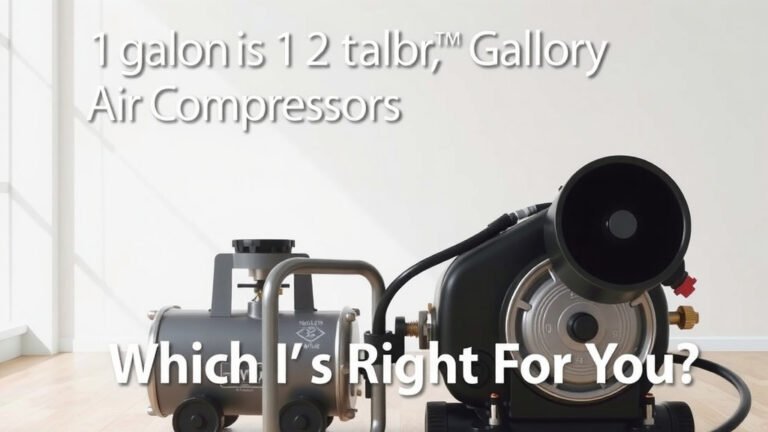
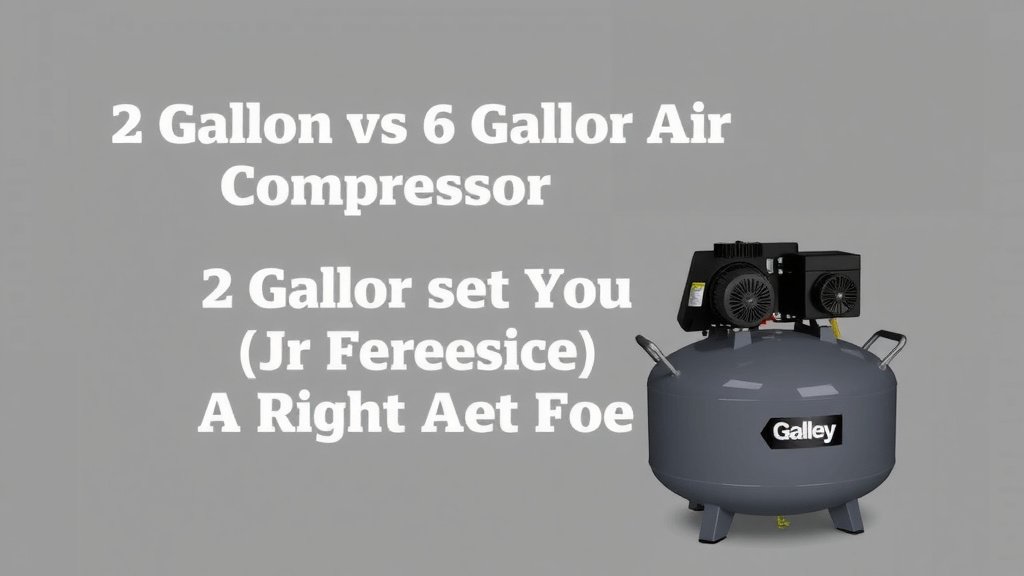
Choosing between a 2 gallon and a 6 gallon air compressor depends entirely on your project needs. A 2 gallon compressor is best for light tasks like inflation and small brad nailing, while a 6 gallon compressor offers more power and runtime for moderate jobs like spray painting or impact wrench use.
When considering an air compressor, the tank size and the CFM (Cubic Feet per Minute) rating are key factors. Many DIYers get confused about which is “better,” but the truth is, it’s about finding the right fit for your toolbox and the jobs you tackle. We’ve researched and found that matching the compressor’s capabilities to your tools is essential for smooth operation and tool longevity.
- 2 gallon: Good for small, quick jobs.
- 6 gallon: Better for longer runtimes and more demanding tools.
- Consider your tools’ air needs (CFM).
- Tank size impacts how long you can run tools.
Let’s walk through exactly what makes each size a good choice and help you decide which one will be your new best friend for DIY projects.
Comparing Air Compressor Tank Sizes: 2 Gallon vs. 6 Gallon
So, you’re eyeing an air compressor, and the tank size seems like a big deal. You’re probably wondering if a 2-gallon or a 6-gallon model is the right choice for you. Let’s break it down. The tank size isn’t about how fast the air comes out; it’s more about how long you can use it before the compressor has to catch its breath and refill.
Understanding Air Compressor Basics: CFM and Tank Size
Before we dive deep, let’s quickly touch on the two main things that matter: CFM and tank size. CFM, or Cubic Feet per Minute, tells you how much air the compressor can deliver. Your tools have CFM requirements, and matching them is key. The tank size, on the other hand, acts like a buffer. It stores compressed air, so you don’t have to rely solely on the compressor’s immediate output. A larger tank means more stored air, which equals longer runtimes for your tools.
How Tank Size Affects Your Workflow
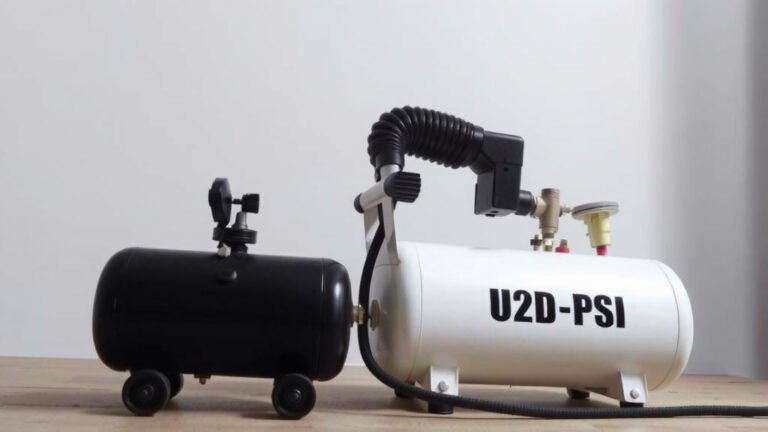
Think of the tank like a water bottle. A small bottle runs out quickly, and you have to wait for it to refill. A bigger bottle lets you drink for longer. In air compressor terms, a 2-gallon tank will deplete faster than a 6-gallon one. This means if you’re using a tool that sips air, a smaller tank might be fine. But if your tool gulps air, you’ll need that bigger buffer!
The 2 Gallon Air Compressor: Your Go-To for Quick Tasks
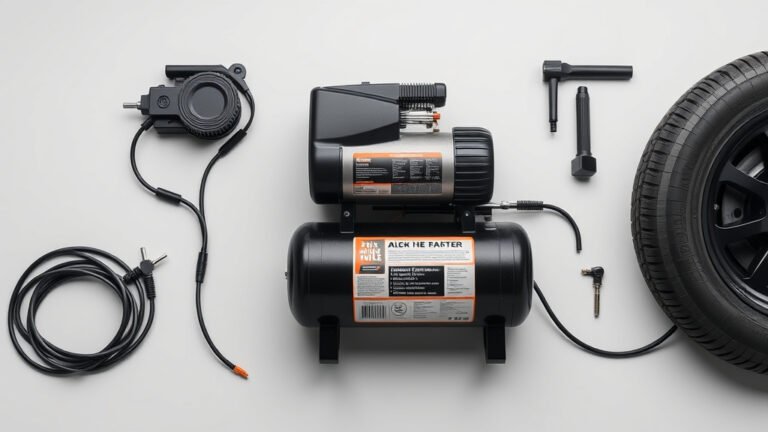
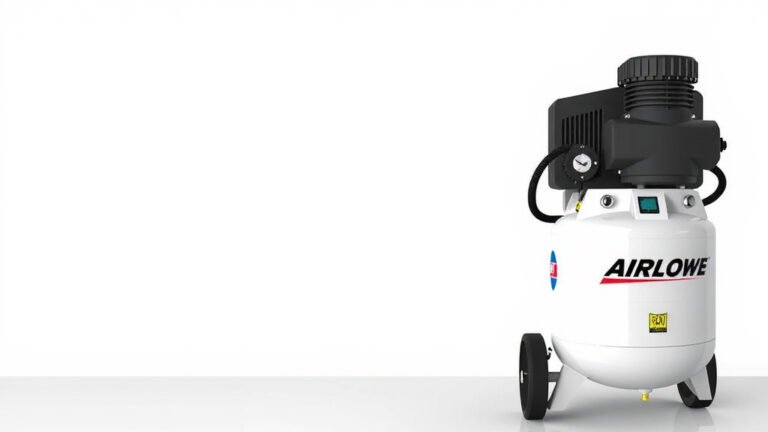
A 2-gallon air compressor is often the compact champion for smaller, lighter jobs. These units are usually lightweight and portable, making them super easy to carry around your garage or even take to a friend’s house. They’re the kind of compressor you grab when you need air for something quick.
What Can You Power with a 2 Gallon Compressor?
We found that 2-gallon compressors excel at tasks that don’t require a constant, high-volume air supply. This includes things like:
- Inflating tires on cars, bikes, and even toys.
- Using brad nailers for trim work or small DIY projects.
- Light-duty stapling.
- Blowing away dust or debris from small areas.
The key here is that these tasks are usually intermittent. You nail a few times, then move, then nail again. The compressor can keep up with these short bursts of air demand.
Limitations of a 2 Gallon Tank
Where a 2-gallon tank struggles is with tools that demand a continuous air supply. If you try to run a spray gun for painting, for instance, you’ll quickly deplete the tank. The compressor will then struggle to keep up, leading to a sputtering spray pattern and a lot of downtime waiting for refills. We recommend against using 2-gallon compressors for anything beyond the lightest intermittent use.
The 6 Gallon Air Compressor: Stepping Up for Moderate Demands
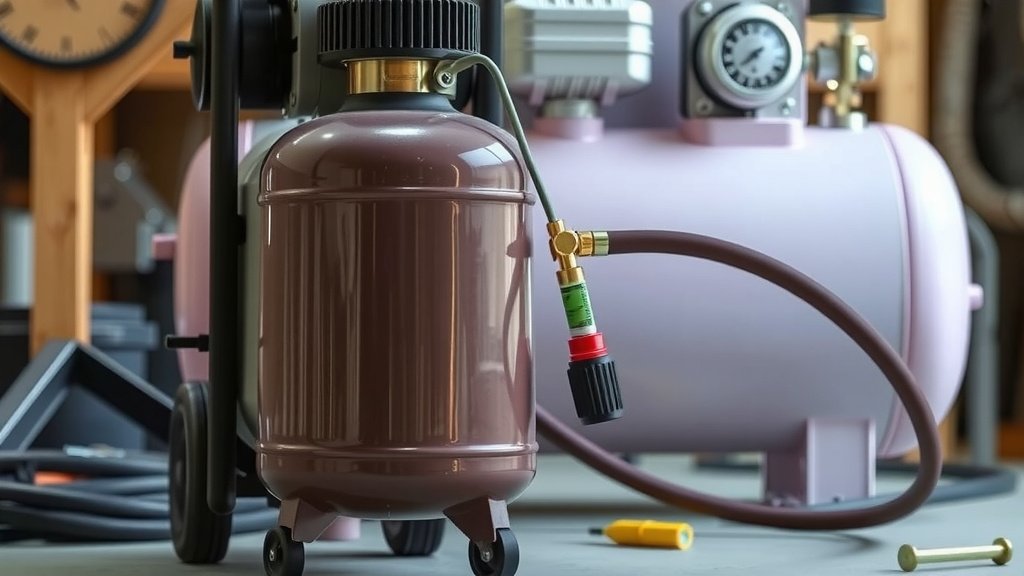
Now, let’s talk about the 6-gallon air compressor. This size offers a significant step up in air storage. It’s still relatively portable for many DIYers, often featuring wheels and a handle. This extra capacity means you can tackle a wider range of projects with more confidence.
Projects Suited for a 6 Gallon Compressor
With its larger tank, a 6-gallon compressor can handle jobs that require more sustained air output. We’ve seen these units perform well with:
- Spray painting smaller projects like furniture or car parts.
- Using impact wrenches for automotive work.
- Operating air ratchets for mechanical tasks.
- Running nail guns (framing, roofing) for longer periods.
- Using air-powered sanders for light sanding.
The 6-gallon tank provides a good balance between portability and runtime for these moderate applications. You get more “air on demand” before the motor kicks in to recharge.
When Might a 6 Gallon Still Be Limited?
While a 6-gallon compressor is versatile, it’s not a professional-grade monster. For very demanding, continuous-use tools like large industrial sanders or high-volume spray painting booths, you’ll still need a much larger compressor. However, for the vast majority of home garage and DIY needs, a 6-gallon is often the sweet spot. We found that many DIYers feel it’s a good investment for its versatility.
Key Differences in a Table Format
To make it super clear, here’s a quick comparison:
| Feature | 2 Gallon Compressor | 6 Gallon Compressor |
|---|---|---|
| Best For | Inflation, light nailing, quick blow-offs. | Spray painting, impact wrenches, longer nailing, moderate DIY. |
| Portability | Very high, lightweight, often corded or battery. | Good, often wheeled, still manageable for most. |
| Runtime | Short bursts. | Moderate continuous use. |
| Noise Level | Can be noisy for their size, but shorter run cycles. | Can be louder than 2-gallon due to larger motor, but better sustained use. |
| Power | Lower CFM output. | Higher CFM output. |
Choosing the Right Compressor for Your Tools
The absolute best way to decide between a 2-gallon and a 6-gallon compressor is to look at the tools you plan to use. Most tool manufacturers will specify the required CFM at a certain PSI (pounds per square inch). You need to find a compressor that can meet or exceed those CFM requirements for the duration you’ll be using the tool.
Check Your Tool’s Air Needs
Take a moment to check the manual or the tool itself. For example, a small brad nailer might only need 0.5 CFM, which a 2-gallon can handle. However, an impact wrench might need 4-5 CFM, which would quickly overwhelm a 2-gallon tank but be manageable for a 6-gallon model, especially if you’re not using it non-stop.
Consider Your Project Frequency and Duration
Beyond specific tools, think about how often you’ll use the compressor and for how long. If you only inflate tires once a month, a 2-gallon is fine. If you plan on painting a piece of furniture this weekend and maybe fixing your car next month, the 6-gallon offers more flexibility. We found that versatility is a big win for most DIYers.
Quick Checklist: Which Compressor Fits Your Needs?
To help you finalize your decision, ask yourself these quick questions:
- What is the primary use? (Inflation, nailing, painting, etc.)
- What are the CFM requirements of your most demanding tool?
- How long do you typically need to run your tools continuously?
- How important is portability versus runtime?
- Do you plan to use multiple air tools at once? (Likely needs larger)
- What’s your budget? (Smaller tanks are often less expensive)
Conclusion
So, you’ve seen how both 2-gallon and 6-gallon air compressors have their place. A 2-gallon unit is your champion for quick, light tasks like inflating tires or tacking trim. You’ll find it easy to move and perfect for those occasional bursts of air. The 6-gallon model steps up for more sustained work, handling things like spray painting or impact wrench use with greater ease. We’ve found that checking your tools’ CFM needs is your best guide. Before you buy, look at your most demanding tool and match its air requirements to the compressor’s output. This ensures you get the right performance and avoid frustration. Go ahead and choose the compressor that truly fits your DIY needs!
Frequently Asked Questions
Can a 2-gallon air compressor handle small spray painting jobs?
Generally, a 2-gallon compressor is not ideal for spray painting. While it might handle a few quick touch-ups, most spray guns require a consistent air supply that a small tank quickly depletes. You’ll likely experience sputtering and frequent downtime as the compressor tries to keep up. We recommend a 6-gallon model or larger for most spray painting applications.
How do I know if my tools need a 6-gallon compressor?
Check the specifications for your air tools. Most tools list their required CFM (Cubic Feet per Minute) at a specific PSI (pounds per square inch). If your most demanding tool requires more than 1-2 CFM continuously, or if you plan to use it for more than a few seconds at a time, a 6-gallon compressor will provide a much better experience.
Will a 6-gallon air compressor be too heavy for me?
While a 6-gallon compressor is larger than a 2-gallon, most DIY-focused models are designed with portability in mind. Many feature wheels and a sturdy handle, making them manageable to move around a garage or workshop. We’ve found that most users find them quite portable for their size.
Can I use a 2-gallon compressor for framing nails?
A 2-gallon compressor is generally not recommended for framing nailers. Framing nailers use a higher volume of air per nail than brad nailers. You would constantly be waiting for the tank to recharge, making the nailing process very slow and inefficient. A 6-gallon compressor is a much better starting point for framing nailers.
What if I need more power than a 6-gallon compressor offers?
If your projects consistently require more air than a 6-gallon compressor can provide, you’ll need to look at larger tank sizes, often 10 gallons or more. These larger compressors offer extended runtimes and higher CFM outputs, suitable for demanding professional tools or very large painting projects. For most home users, however, a 6-gallon unit hits a great sweet spot.