Air Compressor Oil vs Motor Oil: What’s the Difference
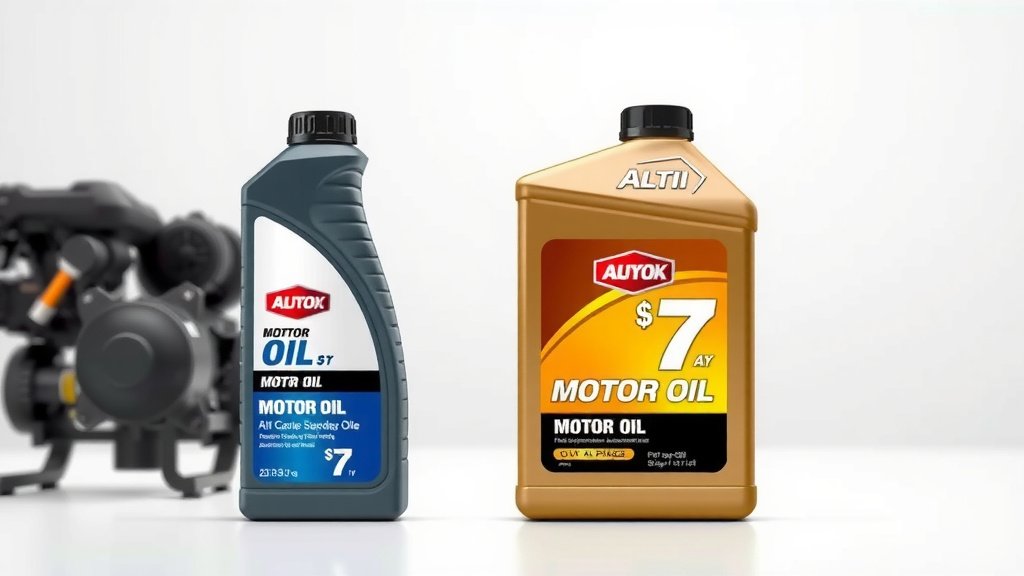
You should never use motor oil in your air compressor, and air compressor oil is not a good substitute for motor oil. While both are lubricating fluids, they are designed for very different jobs and operating conditions. Using the wrong one can cause serious damage to your equipment.
Your air compressor works hard under high pressure. Its oil needs to handle extreme heat and prevent foaming. Motor oil, on the other hand, is made for different temperatures and pressures found in your car’s engine. They have different additive packages that make them unsuitable for each other’s tasks, potentially leading to costly repairs.
- Air compressor oil is made for high-pressure, hot environments.
- Motor oil is designed for lower pressures and different heat cycles.
- Using the wrong oil can damage your equipment.
- Always use the oil recommended by your equipment manufacturer.
Let’s break down exactly why these oils are so different and what you need to know to keep your tools running smoothly.
“`htmlUnderstanding the Differences: Air Compressor Oil vs. Motor Oil
It might seem like all oils are pretty much the same, right? They lubricate, they reduce friction. But when it comes to your air compressor and your car’s engine, the oil needs are surprisingly different. We found that using the wrong type can lead to some serious headaches and expensive repairs down the road.
What Makes Air Compressor Oil Special?
Air compressors work in a world of high pressure and intense heat. Think about it – they’re squeezing air! This environment demands a special kind of lubricant. Air compressor oil is engineered to handle these demanding conditions. It needs to keep things moving smoothly, even when things get really hot and pressurized.
Handling High Pressure
When your compressor is pumping, it’s creating a lot of force. The oil must be able to maintain its lubricating film under this constant pressure. If it breaks down, metal parts can grind against each other. This leads to wear and tear, and eventually, component failure. We found that compressor oils have additives to prevent this breakdown under pressure.
Resisting Extreme Heat
High pressure often means high temperatures. Compressors generate a lot of heat as they work. Standard motor oil might break down or even burn off in these conditions. Air compressor oil, on the other hand, is designed to resist this extreme heat without losing its effectiveness. It stays slick and protective.
Preventing Foaming
Another key job for air compressor oil is to prevent foaming. As the compressor cycles, air can get mixed into the oil. This can create bubbles, or foam. Foamy oil doesn’t lubricate as well and can lead to overheating. Many compressor oils include anti-foaming agents to combat this issue.
Why Motor Oil Isn’t the Right Fit
Your car’s engine operates under very different conditions than an air compressor. Motor oil is formulated for these specific needs. While it’s a great lubricant for your car, it’s not up to the task in a high-pressure air system.
Different Temperature Cycles
Engine oil deals with heat, but it also experiences significant cool-down periods when the engine is off. This cycling affects how the oil behaves and what additives it needs. Compressor oil primarily deals with sustained high heat and pressure.
Additive Packages Don’t Match
This is a big one. Motor oils contain complex additive packages designed for engine components. These include detergents to keep engines clean, dispersants to suspend soot, and anti-wear agents suited for engine parts. These additives can actually be harmful in an air compressor. They might cause unwanted reactions or leave deposits. We found that compressor oil has its own specialized additives for its unique environment.
Potential for Damage
Putting motor oil in your compressor could lead to several problems. It might not provide adequate lubrication under pressure, causing wear. It could break down from the heat, leading to sludge and carbon buildup. This buildup can clog filters and valves, reducing efficiency and potentially causing the compressor to fail. Many experts state that using the wrong lubricant is a leading cause of equipment damage.
Key Differences at a Glance
To really see the distinction, let’s look at how these oils compare side-by-side. It’s like comparing a race car tire to a hiking boot – both are footwear, but for completely different terrains!
| Feature | Air Compressor Oil | Motor Oil |
|---|---|---|
| Primary Function | Lubrication in high-pressure, hot environments. | Lubrication in engines with varying temperatures and pressures. |
| Operating Conditions | Constant high pressure, sustained high heat. | Fluctuating temperatures (hot and cold), lower pressure environment (compared to compressor). |
| Key Additives | Anti-wear, anti-foam, oxidation inhibitors. | Detergents, dispersants, anti-wear agents, viscosity modifiers, anti-corrosion. |
| Foaming Resistance | High priority. | Less critical; designed to handle some aeration. |
| Viscosity Stability | Maintains film strength under extreme pressure and heat. | Designed for engine operating temperatures and oil filter systems. |
What Does the Manual Say?
Your air compressor’s owner’s manual is your best friend here. Manufacturers spend a lot of time testing and specifying the exact type of oil that will keep their equipment running optimally. They’ll tell you if you need a synthetic, a mineral-based oil, or a specific type like Ridl-E or VG. Always check that manual before you even think about reaching for a bottle of oil.
When in Doubt, Stick to the Manufacturer’s Recommendation
We found that listening to the equipment maker is the safest bet. They know their machines best. If you’re unsure about the exact specs, look for oils specifically labeled for “air compressor oil.” Avoid generic “all-purpose” lubricants. It’s better to be safe than sorry when it comes to protecting your investment.
Simple Steps for Choosing the Right Oil
To make sure you’re always using the correct lubricant, follow these simple steps:
- Check your owner’s manual. This is the golden rule.
- Note the oil type recommended (e.g., synthetic, mineral, Ridl-E).
- Look for oils specifically labeled for air compressors.
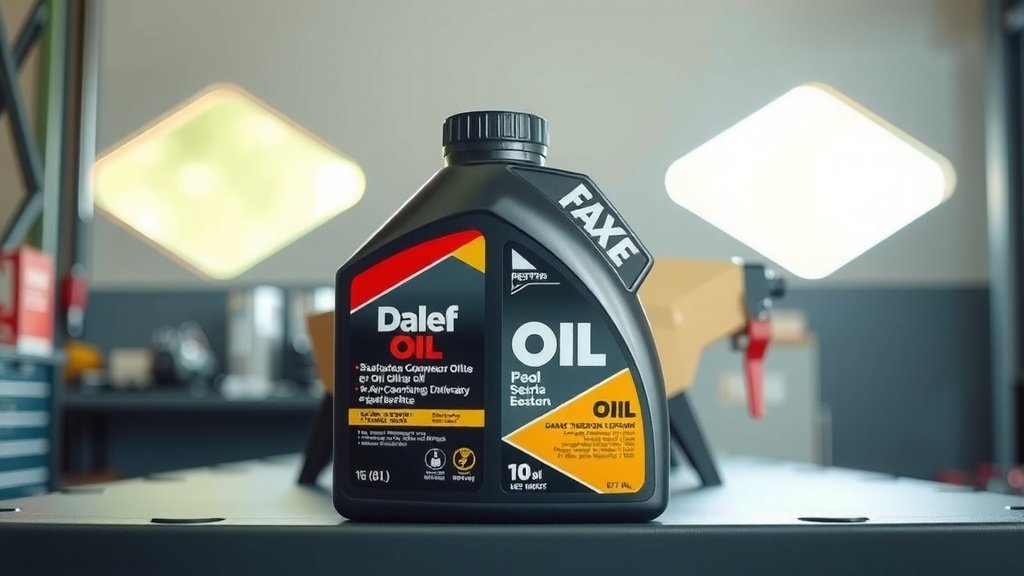
- Avoid using motor oil or other automotive lubricants.
- If unsure, contact the compressor manufacturer.
- Keep a small supply of the correct oil on hand.
Conclusion
You’ve learned that air compressor oil and motor oil are not interchangeable. They are engineered for vastly different operating conditions. Air compressor oil handles high pressure and sustained heat, while motor oil is designed for your car’s engine cycles. Using the wrong oil can lead to costly damage and equipment failure. Always prioritize the manufacturer’s recommendation found in your owner’s manual to keep your air compressor running smoothly and efficiently for years to come.
Frequently Asked Questions
Can I use synthetic motor oil in my air compressor?
No, even synthetic motor oil is not suitable for air compressors. While synthetic offers better performance in engines, its additive package and formulation are still designed for automotive applications, not the high-pressure, high-heat environment of a compressor.
What happens if I put motor oil in my air compressor by mistake?
Using motor oil can cause several issues. It might break down under the compressor’s high pressure and heat, leading to poor lubrication, increased wear, and potential component damage. You could also experience sludge buildup, which can clog parts and reduce efficiency.
How often should I change the oil in my air compressor?
The oil change frequency for your air compressor depends on its type and how often you use it. Always consult your owner’s manual for specific recommendations, but generally, checking the oil level regularly and changing it based on usage hours or a set schedule (e.g., annually) is a good practice.
Is there a universal “all-purpose” oil for compressors?
While some lubricants are marketed as all-purpose, it’s best to avoid them for critical equipment like air compressors. Sticking to oil specifically labeled and formulated for air compressors, and ideally the type recommended by your manufacturer, is the safest bet.
My compressor manual mentions “Ridl-E” oil. What is that?
Ridl-E is a specific type of synthetic lubricant often recommended for certain air compressors. If your manual specifies “Ridl-E” or a similar trade name, you should use that exact type of oil to ensure optimal performance and longevity of your compressor.