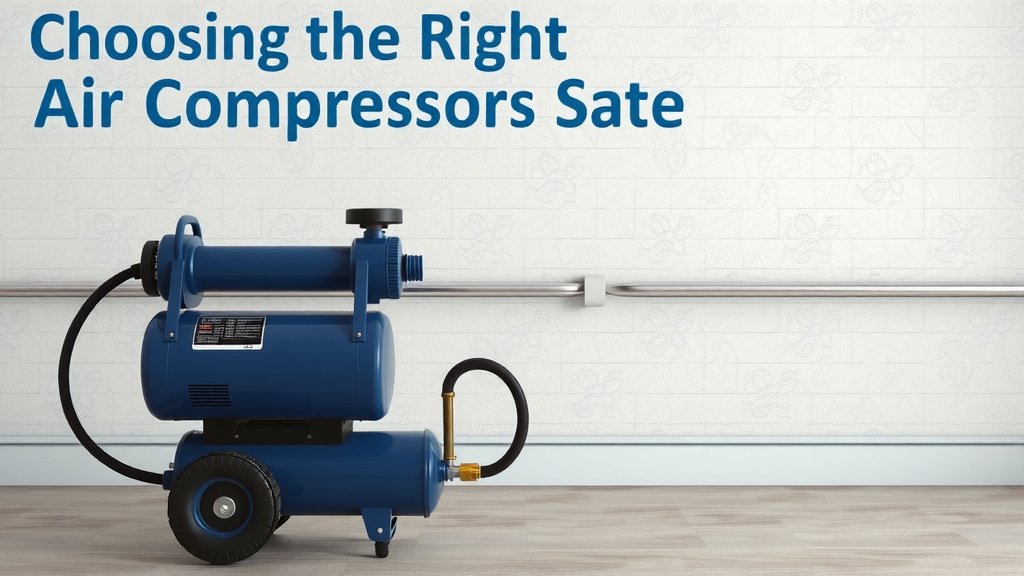
Choosing the Right Air Compressor Size for Spray Painting
Choosing the right air compressor size for spray painting is key to achieving a smooth, professional finish. For most DIY spray painting projects, a compressor with at least a 20-gallon tank and 4-5 CFM (Cubic Feet per Minute) at 90 PSI is usually sufficient. Going too small means the compressor struggles to keep up, while overkill can be costly and unnecessary.
The CFM rating is arguably more important than tank size for spray painting because it indicates how much air your tool can deliver consistently. A higher CFM ensures your spray gun receives a steady air supply, preventing pressure drops and splotchy paint jobs. We found that underestimating your air needs is a common mistake many beginners make, leading to frustration and rework.
Here’s a quick rundown:
- CFM is King: Look for 4-5 CFM or higher for good results.
- Tank Size Matters: 20 gallons is a solid starting point.
- PSI is Important Too: Ensure it can deliver at least 90 PSI.
- Consider Your Project: Larger jobs might need more power.
- Listen to Experts: Many pros recommend over-sizing slightly.
Let’s dive into the details so you can pick the perfect air compressor for your next painting adventure.
What Size Air Compressor Do You Need for Spray Painting?
Choosing the right air compressor is more than just picking a big tank. It’s about matching the air output to your spray gun’s needs. We found that most folks get tripped up by focusing too much on tank size. The real hero here is the compressor’s ability to deliver a consistent air supply. This is measured in Cubic Feet per Minute (CFM).
Understanding CFM: The Heart of Your Air Supply
Think of CFM as how much air the compressor can push out continuously. Your spray gun needs a steady flow to atomize the paint correctly. If the CFM is too low, the compressor can’t keep up. This leads to pressure drops. You’ll see splotchy paint and an uneven finish. Many experts recommend getting a compressor with a higher CFM than your gun requires. This gives you a buffer and ensures smooth operation.
CFM at 90 PSI: The Standard Measurement
You’ll almost always see CFM ratings listed at 90 PSI. This is the standard pressure for most spray painting applications. So, when you look at compressor specs, make sure it’s the CFM at 90 PSI that you’re comparing. A common starting point for DIY spray painting is 4 to 5 CFM at 90 PSI. If you’re painting large furniture or vehicles, you might need even more.
Tank Size: The Air Reservoir’s Role
The tank size is your air reservoir. It stores compressed air, acting like a buffer. A larger tank means the compressor doesn’t have to run as often. This can be less noisy and might extend the compressor’s life. For spray painting, a 20-gallon tank is a good place to start. It provides enough air to keep going for a reasonable amount of time before the motor kicks in again.
When Does Tank Size Really Matter?
If you’re doing short bursts of spraying, a smaller tank might be okay. But for longer painting sessions, like spraying a whole car door or a large cabinet, a bigger tank is your friend. It helps maintain a more consistent pressure even as the compressor is refilling. We found that people doing furniture restoration often appreciate the extra capacity of a 30-gallon or larger tank.
Key Specifications to Look For
When you’re shopping, you’ll see a few numbers. Knowing what they mean will save you headaches. We’ve already touched on CFM and tank size. Let’s look at PSI and horsepower.
Understanding PSI (Pounds per Square Inch)
PSI is a measure of pressure. Your spray gun will have a recommended operating pressure, usually between 25 and 50 PSI. However, the compressor itself needs to be able to generate higher pressures to push air through the lines and regulator. Most compressors advertise their maximum PSI. For spray painting, you want a compressor that can easily reach and maintain at least 90 PSI. This ensures it can meet the demands of your spray gun and any accessories.
Horsepower (HP): A General Indicator
Horsepower (HP) gives you a general idea of the compressor’s power. Higher HP usually means more airflow (CFM). But it’s not the only factor. Pump design and motor efficiency play a big role too. Don’t just pick the compressor with the highest HP. Always check the CFM rating. We found that many compressors have both “running HP” and “peak HP.” Focus on the running HP, as it’s a better indicator of sustained performance.
What’s a Good HP Range?
For typical DIY spray painting, a compressor with 2 to 3 HP is often sufficient. If you’re tackling larger projects or need higher CFM, you might look at units with 4 HP or more. Remember, more HP means more power consumption, so consider your electrical setup.
How Your Project Influences Compressor Choice
Not all spray painting jobs are created equal. The scale and type of project significantly impact your air compressor needs. Let’s break down a few scenarios we’ve seen.
DIY Home Projects and Furniture Refinishing
For painting walls, cabinets, or furniture, a compressor with 20 gallons and 4-5 CFM at 90 PSI is usually perfect. This setup can handle most HVLP (High Volume Low Pressure) spray guns used for these tasks. You’ll get a smooth finish without the compressor constantly running on the edge of its capacity. We found that many homeowners start with this configuration and are very happy.
Automotive Painting and Larger Projects
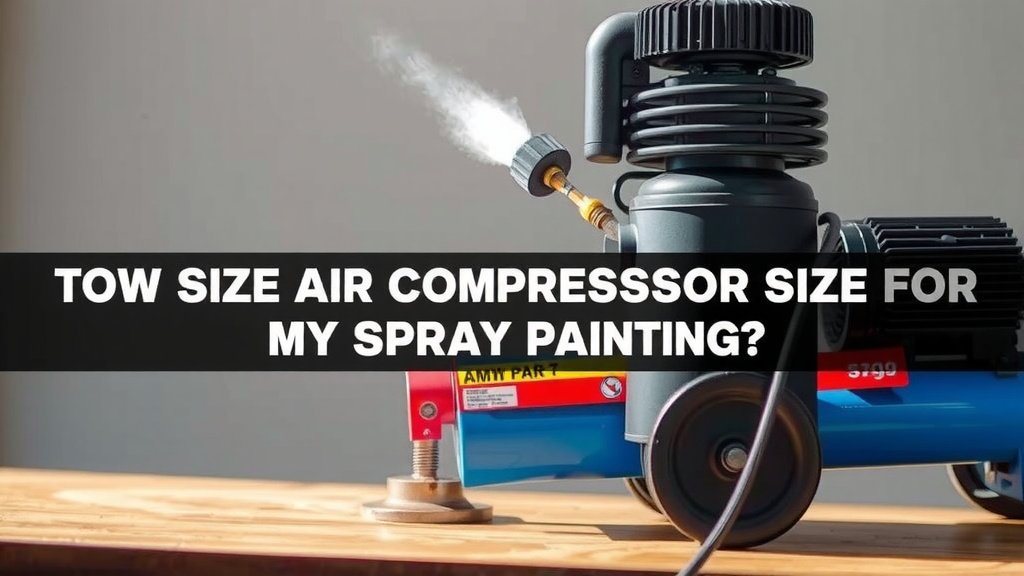
If you’re dreaming of painting your car, truck, or doing large-scale restoration work, you’ll need more muscle. Automotive paint guns often require higher CFM and consistent pressure. For this, we recommend looking for compressors with 6 CFM or more at 90 PSI and a tank size of 30 to 60 gallons. Some professionals even opt for 80-gallon tanks and 5 HP motors for heavy use. This ensures you won’t run out of air mid-panel.
Comparing Compressor Types: What’s Best for Painting?
There are two main types of air compressors: oil-lubricated and oil-free. Each has its pros and cons for spray painting.
Oil-Lubricated Compressors
These are generally quieter and more durable. The oil helps cool the pump and reduces wear. They often produce a cleaner air output over time. Many professional painters prefer oil-lubricated models because of their longevity and consistent performance. We found that they tend to be a bit heavier and require more maintenance, like oil changes.
Oil-Free Compressors
Oil-free compressors are lighter, more portable, and require less maintenance. You don’t have to worry about oil contamination. However, they can be louder and may have a shorter lifespan than their oiled counterparts. For the occasional DIY painter, an oil-free model can be a convenient choice. Just be mindful of the noise level.
The Importance of a Regulator and Filters
No matter which compressor you choose, you absolutely need a good regulator. This allows you to set and maintain the precise pressure your spray gun needs. Additionally, an air filter or dryer is essential. It removes moisture and contaminants from the air. Water in your paint lines can ruin a finish, causing runs and blisters. We found that investing in a quality filtration system is as important as the compressor itself (National Air Filtration Association).
Making Your Final Choice: A Quick Checklist
Here’s a quick recap to help you choose. Think about your typical projects and the tools you’ll use.
- Match CFM: Ensure the compressor’s CFM at 90 PSI meets or exceeds your spray gun’s requirement. Aim for at least 4-5 CFM for general use.
- Adequate Tank Size: A 20-gallon tank is a good starting point for most DIYers. Go bigger for larger projects.
- Sufficient PSI: Make sure it can reliably deliver at least 90 PSI.
- Project Scale: Consider the size and frequency of your painting tasks.
- Oil vs. Oil-Free: Decide based on maintenance, noise, and durability needs.
- Don’t Forget Accessories: Budget for a quality regulator and air filter/dryer.
Conclusion
You’ve learned that picking the right air compressor for spray painting hinges on more than just tank size. The CFM rating at 90 PSI is your most critical factor for consistent airflow. Remember, 4-5 CFM at 90 PSI and a 20-gallon tank are excellent starting points for most DIYers. For larger jobs like automotive painting, you’ll need more power, so aim higher. Always match your compressor’s output to your spray gun’s needs. Don’t forget essential accessories like regulators and filters for that perfect finish. Now you’re ready to make an informed choice for your next project!
Frequently Asked Questions
What is the minimum CFM I need for spray painting?
For most general spray painting tasks, we found that a minimum of 4 to 5 CFM at 90 PSI is recommended. This airflow is enough for many common HVLP spray guns. Going below this can lead to inconsistent pressure and a poor finish.
Can I use a smaller compressor if I only paint occasionally?
If your projects are small and infrequent, a smaller compressor might work, but it’s often better to err on the side of slightly more power. We’ve seen that even occasional users can become frustrated if the compressor struggles to keep up, so consider a 20-gallon tank with 4 CFM as a safe bet.
Do I really need an air filter and regulator?
Yes, absolutely. A regulator is vital for maintaining the correct pressure your spray gun needs for optimal atomization. An air filter or dryer removes moisture and oil, which can ruin your paint job. We found these accessories are non-negotiable for professional results.
What’s the difference between a 20-gallon and a 30-gallon tank?
A larger tank, like 30 gallons, acts as a bigger air reservoir. This means the compressor motor doesn’t have to cycle on and off as often. For longer spray painting sessions, this can provide a more consistent pressure and reduce interruptions, making the job smoother.
Should I buy an oil-lubricated or oil-free compressor for painting?
For durability and potentially cleaner air over the long run, oil-lubricated compressors are often preferred by professionals, though they require more maintenance. Oil-free models are lighter and require less upkeep, making them a convenient choice for many DIYers, but they can be louder.