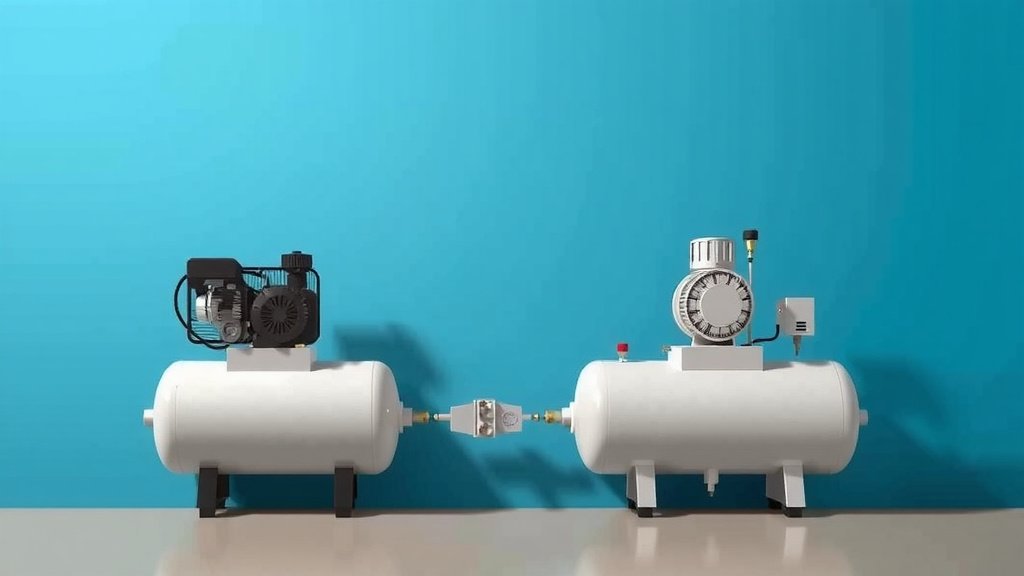
Electric vs Gas Air Compressor: Which is Right for You
Deciding between an electric vs gas air compressor depends on your power needs and location. For quieter operation and convenient home use, electric models are usually best. Gas compressors offer more power for heavy-duty jobs, especially where electricity isn’t readily available.
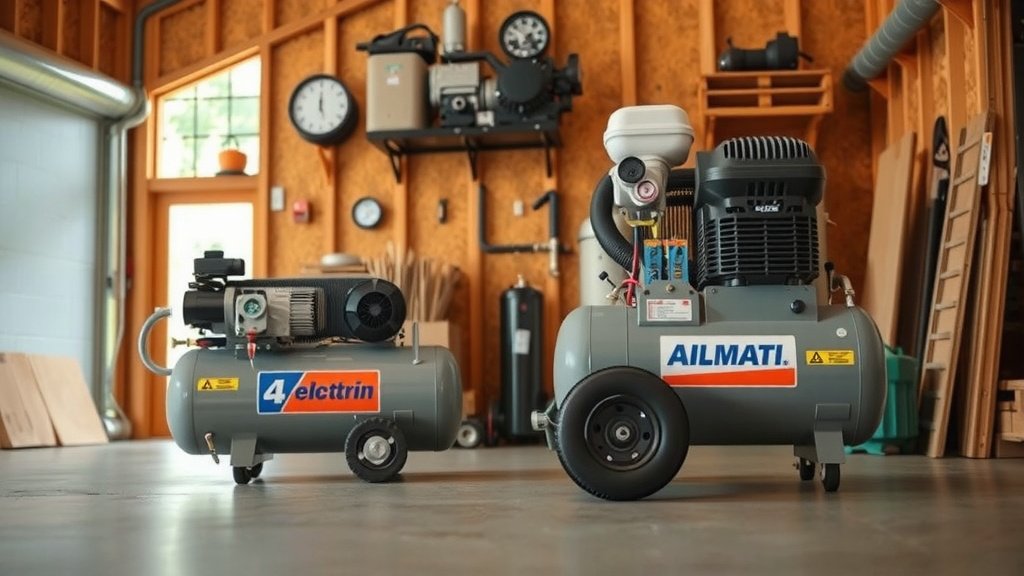
Think about where you’ll be using your compressor most often. An electric unit is great for your garage or workshop, needing only a standard outlet. Gas-powered ones shine on construction sites or remote areas, providing untethered power but with added noise and exhaust fumes. Both have their place!
TL;DR:
- Electric compressors are good for home use.
- Gas compressors provide more power for tough jobs.
- Consider noise, location, and power needs.
- Electric is quieter and cleaner.
- Gas is portable but louder and needs fuel.
We’ve researched the key differences to help you figure out which type of air compressor is the right fit for your projects. Let’s dive into the details.
Choosing Between Electric and Gas Air Compressors
When you’re ready to tackle projects requiring compressed air, you’ll quickly notice two main power sources: electric and gas. Both can get the job done, but they shine in different situations. We’ve looked into the core differences to help you decide which type best fits your needs. To further refine your choice, consider the tank size, as our guide to 1 gallon vs 2 gallon air compressors explains.
Power and Performance: What’s Under the Hood?
Think of this as comparing a reliable sedan to a rugged truck. Both get you places, but for different purposes. You’ll want to consider the horsepower and CFM (Cubic Feet per Minute) ratings. These tell you how much air the compressor can deliver and at what pressure.
Electric Air Compressors: The Quiet Workhorse
Electric compressors draw power from a standard wall outlet, much like your toaster or TV. This makes them incredibly convenient for indoor use. They are generally quieter, produce no exhaust fumes, and require less maintenance.
They come in various sizes, from small portable units for inflating tires to larger stationary ones for a home workshop. For most DIYers and home mechanics, an electric model offers plenty of power for common tasks. Many experts suggest electric compressors for their ease of use and cleaner operation.
Gas Air Compressors: Powerhouse for Remote Jobs
Gas-powered compressors run on gasoline and are ideal when electricity isn’t nearby. Think of construction sites, large farms, or remote job locations. They typically offer more power and can run for longer periods without needing to cool down, as they have their own fuel source.
The trade-off? They are significantly louder, produce exhaust fumes (meaning they shouldn’t be used indoors), and require more upkeep, similar to a car engine. You’ll need to manage fuel, oil, and more frequent maintenance. Many professional contractors rely on them for their unrestricted portability and raw power.
Where Will You Use Your Compressor? Location Matters!
Your workspace is a big clue in this decision. Where do you see yourself using the compressor most often? This question will guide you toward the right power source.
Indoor Use: Garages, Workshops, and Basements
If your primary workspace is a garage, basement, or workshop connected to your home’s power grid, an electric compressor is usually the winner. You simply plug it in and go. They are quieter, so you won’t disturb your neighbors or family. Plus, no exhaust fumes to worry about in an enclosed space.
Many homeowners find that even larger electric models are sufficient for tasks like running nail guns, inflating tires, or powering air tools. We found that for typical home garage projects, the power output of many electric units is more than adequate. You get consistent performance without the hassle of fuel.
Outdoor Use: Job Sites, Farms, and Beyond
When you’re out in the field, far from an electrical outlet, a gas compressor is often your only option. They provide that freedom from cords and power limitations. Need to power a large air tool on a remote construction site? A gas compressor is your go-to. Its portability, despite its size, is a major advantage in these scenarios.
However, remember the noise and fumes. Outdoor use is essential for gas models. You’ll need to consider ventilation if working near any structures and be mindful of noise ordinances in some areas. The convenience of power anywhere comes with these considerations.
Maintenance and Upkeep: What’s Involved?
Let’s be honest, nobody loves maintenance. But understanding what’s required for each type will save you headaches down the road.
Electric Compressor Maintenance
Electric compressors are typically low-maintenance. The main tasks involve checking and draining the tank to prevent rust, lubricating seals if recommended by the manufacturer, and occasionally cleaning the air filter. Some models have oil-free pumps, which require even less attention. Many manufacturers recommend draining the tank after each use to prevent moisture buildup.
Gas Compressor Maintenance
Gas engines are like miniature car engines. They need regular oil changes, spark plug checks, air filter replacements, and fuel system maintenance. You also have the standard air compressor tasks like draining the tank. Many experts suggest consulting your owner’s manual for a specific maintenance schedule. This ensures longevity and reliable performance. Expect to spend more time and money on upkeep with a gas model.
Noise Levels and Environmental Impact
These are important factors, especially if you have close neighbors or are sensitive to noise and fumes.
The Quiet Side: Electric’s Advantage
Electric compressors are significantly quieter than their gas counterparts. While some can still be noisy, they generally operate at a decibel level that’s more tolerable for residential areas or shared workspaces. You can often hold a conversation next to an electric compressor, which isn’t usually the case with gas.
The Roar and the Fumes: Gas Considerations
Gas engines are inherently louder. Expect a noticeable rumble that can be disruptive. As mentioned, the exhaust fumes are also a consideration. These contain carbon monoxide and other pollutants, making them unsuitable for enclosed spaces. Proper ventilation is key if you must use one near a building, even if outdoors.
Cost: Initial Investment and Running Expenses
Price tags and running costs can vary wildly based on brand, size, and features. However, some general trends exist.
Electric Compressor Costs
Generally, electric compressors have a lower initial purchase price than comparable gas models. They also cost less to run, as electricity is often cheaper than gasoline, and they use less energy overall compared to a gas engine. For most home users, this makes electric the more economical choice.
Gas Compressor Costs
Gas compressors often have a higher upfront cost. You’ll also need to factor in the ongoing expense of fuel, oil, and potentially more frequent repairs or replacement parts due to the engine’s complexity. If you need the power and portability for commercial work, the higher operating costs might be justifiable.
Key Considerations Checklist for Your Decision
To help you weigh your options, consider these points:
- Power Needs: What tools will you run?
- Location: Will you be near an outlet?
- Noise Tolerance: How important is quiet operation?
- Portability: Do you need to move it often?
- Maintenance Willingness: How much upkeep are you prepared for?
- Budget: Initial purchase vs. long-term running costs?
Making the Final Choice for Your Projects
We’ve explored the power, portability, maintenance, and cost differences. Think about your daily or weekly needs. For most home improvement projects, garage tinkering, or occasional inflating tasks, an electric air compressor is likely your best bet. They offer a great balance of performance, convenience, and cost.
However, if your work takes you off the grid, demands immense power for heavy-duty tools, or requires you to operate in remote locations regularly, a gas air compressor becomes a necessity. It provides that unchained power, but comes with a commitment to more involved maintenance and noise management.
By thinking through where and how you’ll use your compressor, you can confidently choose the type that will serve you best for years to come. Happy building!
Conclusion
You’ve now seen how electric and gas air compressors serve different needs. For your home garage or workshop, an electric unit is generally the smarter, quieter, and more affordable choice. It handles most DIY tasks with ease. If your work takes you off the grid or requires maximum power for heavy-duty applications, a gas compressor is the undisputed champion for portability and raw output.
Consider your primary use case carefully. Ready to make the best choice for your projects? Think about the tools you’ll power and where you’ll be working most often. This will guide you to the right compressor for years of reliable service.
Frequently Asked Questions
Can I use a gas air compressor indoors?
No, you should never use a gas air compressor indoors. They produce harmful exhaust fumes, including carbon monoxide, which can build up to dangerous levels in enclosed spaces. Always operate gas-powered equipment in a well-ventilated outdoor area.
Which type of air compressor is easier to maintain?
Electric air compressors are generally much easier to maintain. They typically require less frequent attention, mainly involving draining the tank and cleaning the air filter. Gas compressors have engines that need oil changes, spark plug checks, and fuel system maintenance, similar to a car.
Do electric air compressors have enough power for air tools like nail guns?
Yes, many electric air compressors provide sufficient power for common air tools like nail guns, staplers, and impact wrenches. You’ll want to check the CFM rating of the compressor and compare it to the requirements of your specific air tools to ensure compatibility.
How much louder is a gas air compressor compared to an electric one?
Gas air compressors are significantly louder than electric models. While specific decibel levels vary, expect a noticeable engine rumble from a gas unit that can be disruptive. Electric compressors are much quieter, making them more suitable for use in residential areas.
What are the running costs for electric versus gas air compressors?
Electric air compressors typically have lower running costs. Electricity is often cheaper than gasoline, and electric motors are generally more energy-efficient than gas engines. Gas compressors require ongoing fuel purchases and potentially higher maintenance expenses.