How to Piggyback an Air Compressor Safely
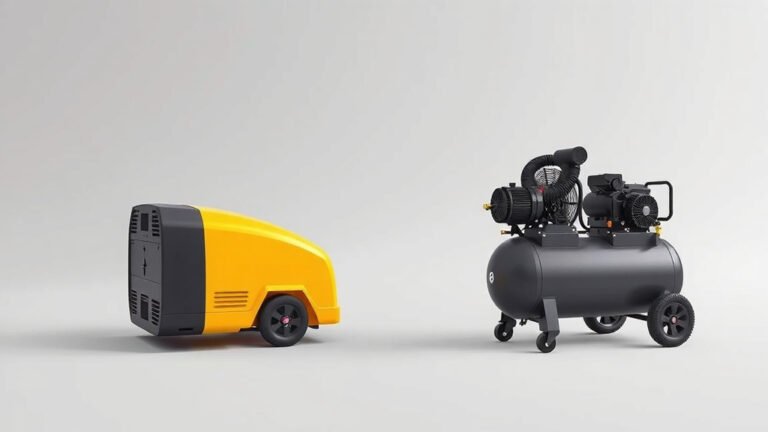
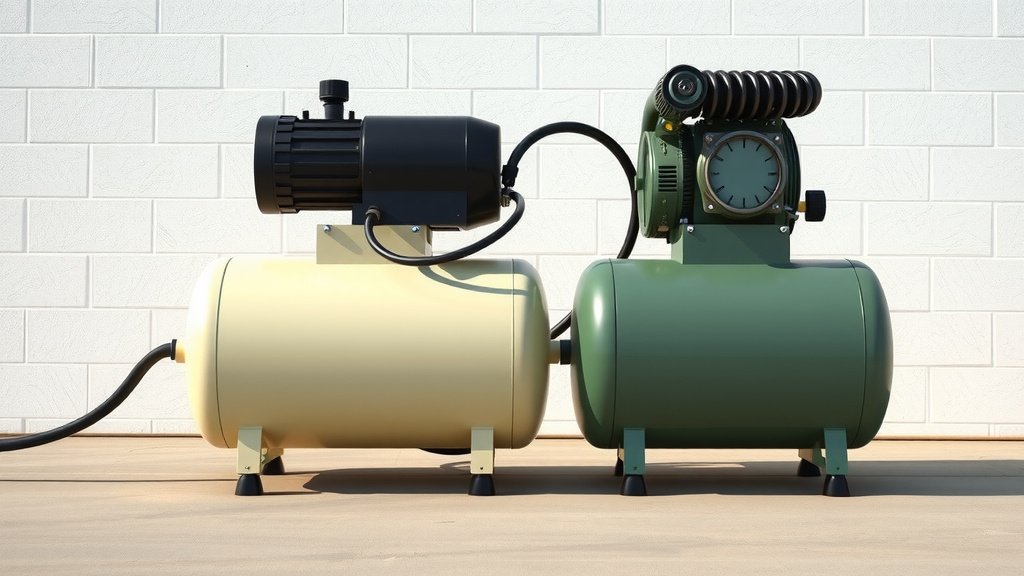
Yes, you can piggyback an air compressor, which means connecting two air compressors together to increase your overall air supply. This setup is often called a dual-tank system. It’s a smart way to get more air when your single compressor just can’t keep up with your tools. You’ll have more air available for longer jobs.
This technique is especially useful for pneumatic tools that require a large and consistent volume of air. Think of tasks like sandblasting or running multiple tools simultaneously. Piggybacking allows you to extend your runtime and avoid the frustration of your compressor constantly cycling. It’s a practical solution for many DIYers and even some professional applications.
- Piggybacking connects two air compressors.
- It increases your total air storage and supply.
- This is ideal for tools that use a lot of air.
- You get longer runtimes without frequent compressor cycling.
Ready to learn how to set this up safely and effectively? Let’s walk through the process step by step.
Connecting Two Air Compressors for More Airpower
So, you’ve got a project that’s gobbling up air faster than your current compressor can supply it. Don’t sweat it! You can indeed hook up two air compressors together. This is a fantastic way to get a bigger air reservoir. It’s often called a dual-tank setup. You’ll have more air to keep your tools running longer. This means fewer interruptions and less waiting around.
Why Piggyback Your Compressors?
Think about those times your compressor kicks on constantly. It feels like it’s always working overtime, right? Piggybacking solves this. You’re essentially creating a larger air tank. This larger tank can store more compressed air. Your tools get a steadier, more plentiful supply. This is especially helpful for demanding tools like sanders, grinders, or paint sprayers. They can really drain a standard compressor dry.
The Benefits of a Dual-Tank System
When you connect two compressors, you’re doubling your air storage capacity. This means your compressors don’t have to cycle as often. You get a consistent air supply. This is a huge win for productivity. You can tackle bigger jobs without worrying about running out of air. It’s like giving your air system a performance boost.
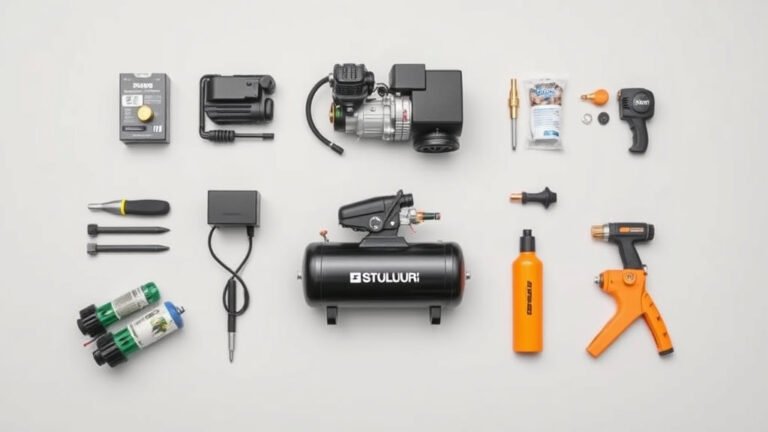
Essential Components for Piggybacking
You’ll need a few key parts to make this connection work safely. Don’t just grab random hoses. Using the right connectors is crucial for safety and performance. We found that having the correct fittings prevents leaks and pressure drops.
Hoses and Fittings: The Lifelines
The heart of your connection is the hose. You need a heavy-duty air hose that can handle the pressure from both compressors. We recommend a high-pressure air hose. It should be rated for at least 150 PSI, or higher if your compressors operate at that level. Ensure the fittings on the hose match the outlet ports on your compressors. Often, these are 1/4-inch or 3/8-inch NPT fittings.
Check Valves: Preventing Backflow
This is a critical safety component. A check valve allows air to flow in only one direction. In a dual-tank setup, it prevents air from flowing back from the second compressor into the first. This is super important. If air flows backward, it could damage the motor or pump of the compressor that’s not running. Many experts say a check valve is non-negotiable for this setup (OSHA Guidelines for Industrial Compressors).
Pressure Regulators: Controlling the Flow
You’ll likely want a pressure regulator. This device allows you to control the air pressure going to your tools. Even with two compressors, you might not need full pressure. A regulator lets you dial it in. It also acts as a safety measure, preventing over-pressurization. Some setups might include a regulator on each compressor, while others might have a single one after the combined tanks.
Manifold or Tee Fitting: The Junction Point
You need a way to connect the two compressors’ air outlets together. A manifold or a simple tee fitting is perfect for this. A manifold usually has multiple ports. This can be handy if you want to add more compressors later. A tee fitting is more basic. It simply joins two lines into one. Ensure the fitting is made of durable material, like brass or steel. It needs to withstand the air pressure.
Step-by-Step Guide to Piggybacking
Now, let’s get down to business. Following these steps will help you create a safe and effective dual-tank system. Remember to always prioritize safety. Power off and disconnect any air compressors before making connections.
Step 1: Prepare Your Compressors
First, make sure both of your air compressors are in good working order. Check their oil levels if they are oil-lubricated. Ensure the air filters are clean. Place the compressors on a stable, level surface. Give them enough ventilation. Overheating is a real concern when running two compressors.
Step 2: Connect the Hoses
This is where your manifold or tee fitting comes in. Connect a short, high-pressure hose from the air outlet of your first compressor to one port of your manifold or tee. Then, connect another hose from the second compressor’s outlet to another port on the manifold. Use thread sealant tape on all threaded connections. This helps prevent leaks.
Step 3: Install the Check Valve and Regulator
Next, attach your check valve. It should be installed in the line coming from one of the compressors, before it reaches the manifold. Make sure it’s oriented correctly to allow air flow *away* from that compressor. Then, connect your pressure regulator. It’s usually best placed after the manifold, where the air from both compressors is combined. This ensures you can control the output pressure from your combined system.
Step 4: Connect Your Main Air Line
From the output port of your regulator (or directly from the manifold if you’re not using a regulator), connect your main air supply line. This is the hose that will go to your tools. Make sure this connection is also secure and leak-free. You’re almost ready to go!
Step 5: Test the System
With all connections made, turn on one compressor. Listen for any air leaks. Check your connections. If all is well, turn on the second compressor. Again, listen and check for leaks. Gradually increase the pressure using your regulator to the desired level. Test it with a tool. See how it performs. If you hear hissing, immediately shut off the compressors and tighten the loose fittings.
Safety First: Important Precautions
Piggybacking compressors can be incredibly useful. However, safety should always be your top priority. We found that many users overlook a few key safety details. Don’t be one of them!
- Never connect two compressors directly without a check valve. This is extremely important.
- Use hoses rated for the maximum pressure of your compressors. A weak hose could burst.
- Ensure adequate ventilation for both units. Overheating can damage your equipment.
- Regularly inspect all connections for leaks. Even small leaks waste air and energy.
- Do not exceed the recommended pressure for your tools. Use a regulator.
Understanding Pressure and Volume
It’s vital to grasp the difference between air pressure (PSI) and air volume (CFM). Piggybacking primarily increases your total air volume and storage capacity. It doesn’t magically increase the PSI output of individual compressors beyond their ratings. However, by having more air stored, your system can maintain a consistent PSI for longer periods, which is often what tools need.
Compressor Compatibility: A Quick Note
While you can often connect compressors of different sizes or brands, it’s generally best if they are similar. Connecting two identical compressors is the simplest. If they are different, ensure their maximum pressure ratings are compatible. Connecting a very high-pressure compressor to a low-pressure one without careful regulation could be problematic. Research the specific models you plan to connect. To understand compressor capabilities, learn about the difference between a 1 cylinder vs 2 cylinder air compressor.
| Item | Status |
|---|---|
| Two compatible air compressors | [ ] |
| High-pressure air hose(s) | [ ] |
| Check valve(s) | [ ] |
| Pressure regulator | [ ] |
| Manifold or tee fitting | [ ] |
| Thread sealant tape | [ ] |
Conclusion
You’ve learned how to connect two air compressors to create a powerful dual-tank system. This setup is your ticket to extended runtimes and a more consistent air supply for demanding tools. By carefully selecting the right hoses, fittings, and safety components like check valves and regulators, you can build a reliable system. Always prioritize safety by checking for leaks and ensuring proper ventilation. Ready to boost your airpower? Your next step is to gather your components and set up your dual-tank system for your next big project.
Frequently Asked Questions
Can I use compressors of different sizes when piggybacking?
Yes, you generally can. However, it’s best if their maximum pressure ratings are compatible. Connecting a high-pressure compressor to a low-pressure one without proper regulation could cause issues. We found that similar models are easiest to work with.
How do I know if my air hose is strong enough?
Your air hose must be rated for the maximum pressure of your compressors. We recommend a high-pressure hose rated for at least 150 PSI or higher, depending on your compressor’s specs. Always check the hose’s PSI rating before connecting.
What happens if I don’t use a check valve?
Not using a check valve is a major safety risk. It can allow air to flow backward from one compressor to the other. This backflow could potentially damage the motor or pump of the compressor that’s not running.
How often should I check for air leaks in my dual-tank system?
You should check for leaks every time you set up the system. Listen carefully for any hissing sounds after turning on the compressors. Regular inspections prevent wasted air and ensure your system operates efficiently and safely.
Does piggybacking increase the PSI of my compressors?
Piggybacking primarily increases your total air volume and storage capacity. It doesn’t increase the maximum PSI output of individual compressors. However, the larger air reservoir helps maintain consistent PSI for your tools over longer periods.