Choosing the Right Air Compressor for Sandblasting
Choosing the right air compressor size for sandblasting is key to getting the job done efficiently. You’ll need a compressor that can deliver at least 15-20 CFM (Cubic Feet per Minute) for most common sandblasting tasks. Going too small means your sandblaster will sputter and struggle, making your project take forever. Too big, and you’re just wasting energy and money.
Many DIYers and even some pros get this wrong. They think bigger is always better, but that’s not quite true for sandblasting. You need enough air to keep the abrasive flowing smoothly, but not so much that it overwhelms your equipment or your wallet. Finding that sweet spot in CFM is what we’re aiming for.
TL;DR:
- Bigger isn’t always better for air compressors.
- Aim for 15-20 CFM for most sandblasting jobs.
- Too little CFM means slow, frustrating work.
- Too much CFM wastes energy and money.
- Match your compressor to your sandblasting needs.
So, how do you figure out exactly what you need? Let’s break down the factors that go into picking the perfect air compressor for your sandblasting adventures.
Determining the Right Air Compressor Size for Sandblasting
Choosing the right air compressor for your sandblasting project is more important than you might think. It’s about finding that perfect balance. You need enough air volume to keep your abrasive material moving at a good pace. Too little, and your sandblaster will just sputter. Too much, and you could be wasting energy and money. We’re here to help you find that sweet spot.
The biggest factor here is your sandblaster’s CFM requirement. This stands for Cubic Feet per Minute. It tells you how much air the tool needs to operate effectively. Think of it like breathing. If you can’t get enough air, you’ll struggle. Sandblasters are the same way. They need a constant, strong supply of air.
Understanding CFM: The Heart of Your Air Supply
CFM is the most critical number when looking at air compressors for sandblasting. It directly impacts how well your sandblaster will perform. You’ll often see CFM ratings at different pressure levels, usually 90 PSI. This is the industry standard for measuring sandblasting air needs.
What is CFM and Why Does It Matter So Much?
CFM measures the volume of air your compressor can deliver. Sandblasting uses a lot of air to propel the abrasive media. It also needs air to carry away dust and debris. If your compressor can’t keep up, the abrasive flow will become weak and inconsistent. This means slower work and a less effective finish. You’ll be spending more time trying to get the job done. Research indicates that under-supplying CFM can even damage your sandblasting equipment over time due to excessive strain.
Typical CFM Needs for Different Sandblasters
The specific CFM you need depends on the type of sandblaster you’re using. Small, handheld dustless blasters might need around 5-10 CFM. However, most common siphon-feed or pressure-pot sandblasters require more. For these, a good starting point is 15-20 CFM. Larger, industrial-grade sandblasters can demand 30, 40, or even 50+ CFM.
Beyond CFM: Other Important Air Compressor Specs
While CFM is king, a few other specs play a supporting role. These ensure your compressor can handle the demands of sandblasting consistently. Don’t overlook these details when making your choice.
PSI: The Force Behind the Air
PSI stands for Pounds per Square Inch. It measures the pressure of the air. Sandblasting typically operates between 80-100 PSI. Your compressor needs to be able to reach and maintain this pressure while delivering the required CFM. A compressor that can hit high PSI but struggles with CFM won’t be enough.
Tank Size: Storing Your Air Supply
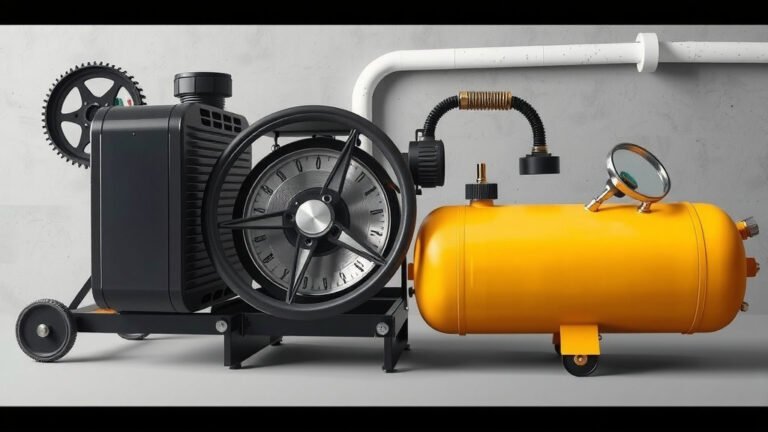
The tank size, measured in gallons, stores compressed air. A larger tank acts as a buffer. It helps maintain consistent pressure, especially during high-demand moments like sandblasting. Think of it like a reservoir. It can release more air quickly when needed. For sandblasting, a tank of 60 gallons or more is generally recommended. This helps prevent the compressor from constantly cycling on and off.
How Tank Size Affects Performance
A larger tank size means the compressor doesn’t have to work as hard to keep up. It provides a more stable air supply. This is crucial for a smooth, uninterrupted sandblasting process. If your tank is too small, the compressor will run more often. This can lead to overheating and premature wear. Many sources suggest that a larger tank provides a better user experience by reducing interruptions.
Horsepower (HP): The Engine’s Power
Horsepower indicates the motor’s strength. Higher HP generally means the compressor can move more air and build pressure faster. However, HP alone doesn’t tell the whole story. A high-HP compressor with low CFM output won’t be suitable. You need a balance between HP, CFM, and PSI. For typical DIY sandblasting, a compressor with 5-6 HP is often sufficient.
Matching Your Compressor to Your Sandblasting Tool
The most effective way to choose is to look at your sandblaster’s specifications first. Your tool will usually state its required CFM and PSI. This is your primary guide. Your goal is to find a compressor that meets or exceeds these numbers.
The “Rule of Thumb” for Compressor Sizing
A common recommendation is to choose a compressor with a CFM rating that is at least 50% higher than your sandblaster’s requirement. For example, if your sandblaster needs 10 CFM, look for a compressor that can deliver 15 CFM. This buffer accounts for potential air leaks, hose resistance, and other factors that can reduce airflow. Many experienced users follow this guideline.
Compressor Types: What’s Best for Sandblasting?
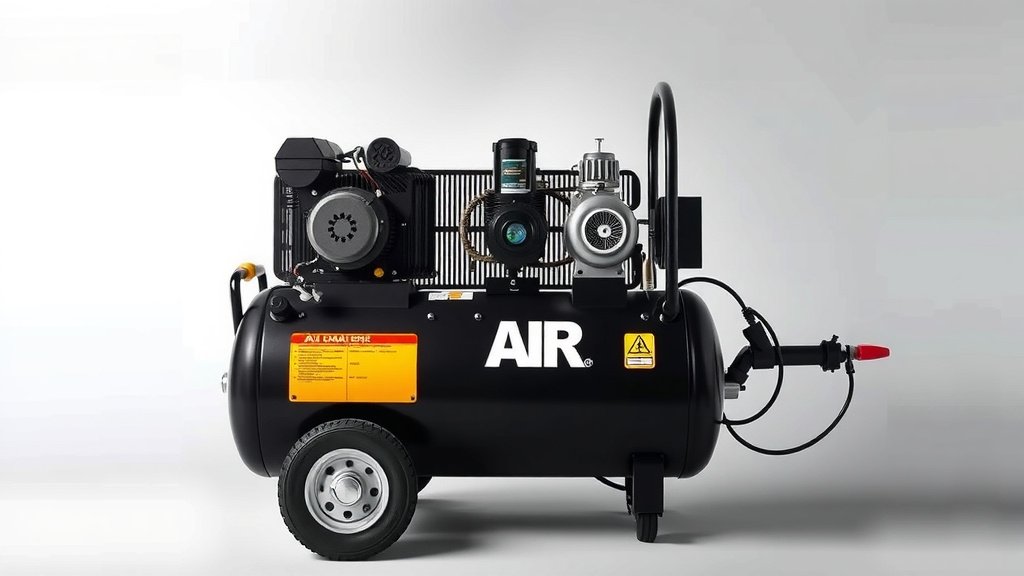
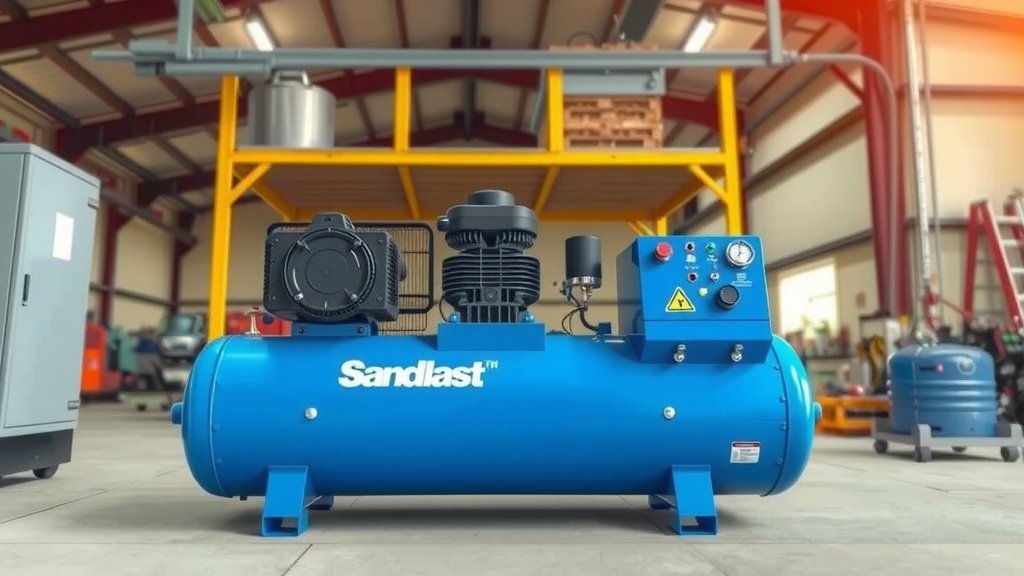
There are two main types: portable and stationary. For most DIY or small shop use, a portable, electric-powered compressor is usually the way to go. They offer a good balance of power and convenience. Gas-powered compressors offer more power and portability but come with noise and exhaust considerations. For continuous, heavy-duty industrial use, a large stationary unit is necessary.
Checking Your Setup for Air Leaks
Even with the perfect compressor, air leaks can sabotage your efforts. Hoses, fittings, and connections are common culprits. Before you start sandblasting, take a few minutes to check your entire air system. A simple soap and water test can reveal small leaks.
The Impact of Air Leaks
Air leaks mean wasted air. This forces your compressor to work harder to maintain pressure and CFM. It’s like trying to drink through a straw with a hole in it. You’ll never get the full amount. We found that even minor leaks can reduce your effective CFM by 10-20%. Fixing leaks is a simple yet powerful way to improve performance.
When Bigger *Might* Be Better (But Usually Isn’t)
If you plan on using multiple air tools simultaneously or have very large-scale sandblasting projects, a higher CFM compressor might be justified. However, for most standard sandblasting tasks, over-speccing can lead to inefficiency. You’ll be using more electricity than necessary. The upfront cost will also be higher. It’s always best to aim for what your specific sandblaster needs, plus that 50% buffer.
Your Sandblasting Compressor Checklist
Here’s a quick rundown to make sure you’re on the right track:
- Confirm your sandblaster’s CFM and PSI requirements.
- Select a compressor with CFM at least 50% higher than your tool’s need.
- Ensure the compressor can maintain your target PSI (usually 80-100 PSI).
- Look for a tank size of 60 gallons or more for consistent airflow.
- Check for air leaks in your hoses, fittings, and connections before use.
- Consider the power source (electric vs. gas) based on your workspace and needs.
Conclusion
You’ve learned that picking the right air compressor for sandblasting is all about matching your tool’s needs, primarily its CFM requirements. Aiming for a compressor that delivers at least 50% more CFM than your sandblaster calls for ensures you have a reliable air supply. Remember to consider PSI, tank size, and your setup’s condition, especially for air leaks. By following these guidelines, you’ll avoid frustration and achieve a better finish on your projects. Now, go ahead and gear up with the perfect compressor for your next sandblasting job!
Frequently Asked Questions
Will a 20-gallon air compressor work for sandblasting?
A 20-gallon air compressor might struggle with most sandblasting tasks. While it could potentially work for very light-duty or short bursts, it likely won’t meet the typical 15-20 CFM requirement. You’d probably experience inconsistent airflow, slowing down your project significantly.
Can I use my shop air compressor for sandblasting?
You can, but only if your shop compressor meets the CFM and PSI demands of your sandblaster. Many standard shop compressors are designed for intermittent use with tools like nail guns, not the continuous high airflow sandblasting requires. Always check the specs.
How does the air hose diameter affect compressor choice?
A narrower air hose restricts airflow, making your compressor seem less powerful. For sandblasting, using the largest diameter hose recommended by your sandblaster’s manufacturer is best. This helps ensure you get the full CFM your compressor is rated for to the tool.
Is a gas or electric air compressor better for sandblasting?
For most DIYers, an electric compressor offers quieter operation and less maintenance, making it a good choice for garages or workshops. Gas-powered compressors provide more power and portability for remote jobs, but they are louder and require ventilation.
What happens if my air compressor’s CFM is too low for sandblasting?
If your compressor’s CFM output is too low, your sandblaster will sputter and fail to deliver a consistent blast. This results in slow progress, uneven surface preparation, and can even put excessive strain on your sandblaster, potentially leading to damage over time.