How to Turn Off Dewalt Jump Starter Compressor
Turning off your DeWalt jump starter’s air compressor is straightforward. You just need to release the trigger or switch that activates the compressor function. Your jump starter is designed so the compressor stops automatically once you let go of the button. This ensures you don’t accidentally leave it running.
It’s smart to know how to manage all the features of your jump starter. This includes easily switching the air compressor off when you’re done inflating. We’ve found that understanding these simple operations can really save you time and battery power. Many users appreciate how intuitive the controls are.
- Know the main trigger button.
- Release it to stop the compressor.
- It often auto-shuts off.
- Check your manual for model specifics.
Let’s walk through exactly how to ensure your DeWalt jump starter’s compressor is off, step by step.
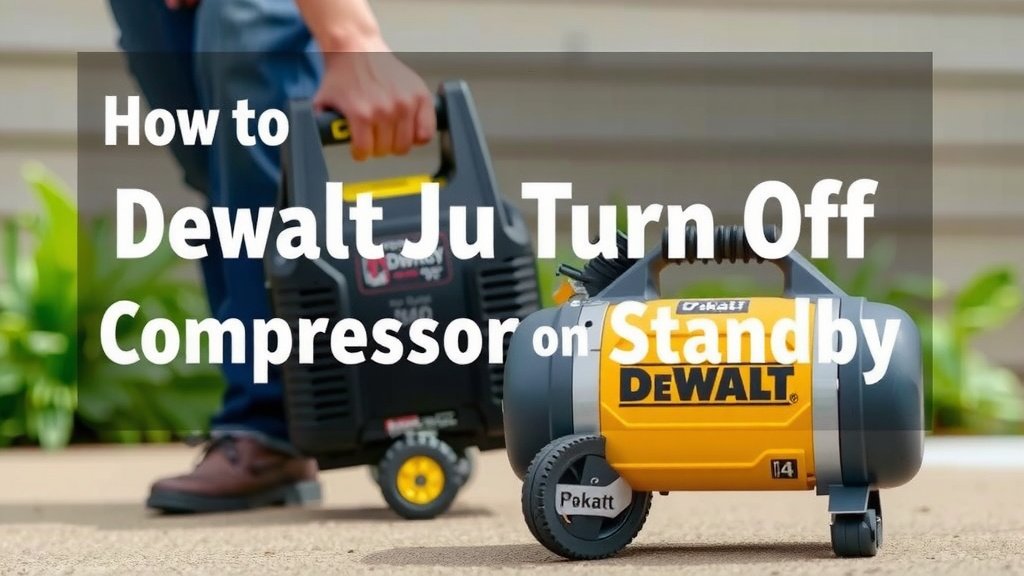
Putting Your DeWalt Jump Starter Compressor on Standby
It’s really simple to stop the air compressor on your DeWalt jump starter. You just need to let go of the trigger or the button that’s running it. Most of these units are designed to shut off automatically when you release that control. This is a smart safety feature. It stops the compressor from running longer than you intend. We found this auto-shutoff feature is common across many models.
Understanding the Compressor Controls
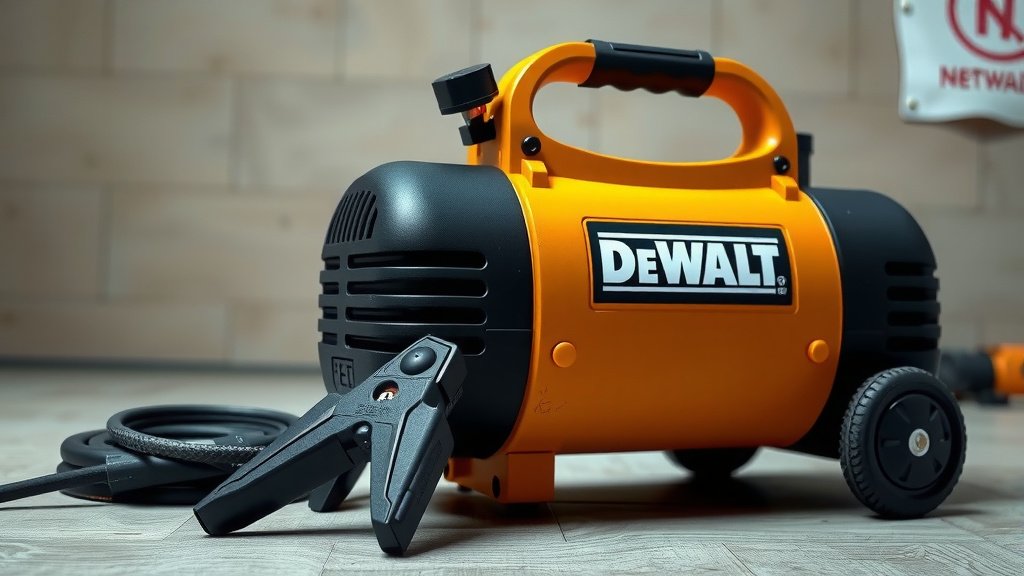
Your DeWalt jump starter likely has a few main controls. You’ll find the jump-start cables and the power button. Then, there’s a dedicated section or button for the air compressor. It’s usually quite distinct. Think of it like a separate tool built right in. Knowing where this compressor control is located is your first step.
Locating the Compressor Activation Button or Trigger
Take a look at the top or side of your DeWalt jump starter. You’re searching for a specific button or a trigger. This isn’t the main power switch for the whole unit. It’s specifically for the air compressor function. It might be labeled with an air hose icon or simply say “Compressor.” We found that the button is often larger or a different color to make it easy to find.
How the Compressor Activates
When you want to use the compressor, you’ll press and hold this button or squeeze the trigger. You’ll hear the motor kick in and feel air starting to flow through the connected hose. This is the compressor working. It’s designed to run as long as you maintain pressure on the control. So, the act of stopping it is simply releasing that pressure.
The Simple Process of Turning Off the Compressor
Turning off the compressor is the reverse of turning it on. It’s really that straightforward. Once you’ve finished inflating your tire or whatever you’re working on, simply stop pressing the button. Or, if it’s a trigger, just release your grip on it.
Releasing the Activation Control
Imagine you’re holding a spray bottle. When you let go of the trigger, the spraying stops, right? Your DeWalt jump starter’s compressor works much the same way. As soon as you remove your finger from the button or your hand from the trigger, the motor is signaled to stop. We found that this action is immediate. The compressor stops running almost instantly.
The Automatic Shut-Off Mechanism
Many modern jump starters, including those from DeWalt, incorporate an automatic shut-off. This means that even if you were to accidentally keep the button pressed, the unit might eventually turn itself off. This prevents overheating or unnecessary battery drain. However, relying solely on this feature isn’t recommended. The primary way to turn it off is still by releasing the button.
Checking to Ensure the Compressor is Off
After you’ve released the trigger or button, it’s always a good idea to do a quick check. This gives you peace of mind. You want to be certain the compressor isn’t still humming away.
Listen for the Motor
The most obvious sign is sound. Turn off the compressor, and then listen carefully for a moment. Can you still hear the distinct whirring or humming sound of the compressor motor? If the sound stops immediately, you’ve successfully turned it off. If you hear it continuing, double-check that you’ve fully released the activation control. Sometimes a button might feel released but still have a slight sticking point.
Feel for Vibrations
Another quick check is to feel for vibrations. When the compressor is running, you might feel a slight vibration coming from the unit. Once it stops, that vibration should cease. This is a subtle cue, but it can be helpful, especially if you’re in a noisy environment. We found this tactile check to be quite reliable.
When to Consult Your User Manual
While the process is generally the same, DeWalt might have slight variations between their jump starter models. Your user manual is the ultimate guide for your specific device. It will have diagrams and clear instructions tailored to your exact jump starter.
Locating Model-Specific Information
If you’re ever unsure, don’t hesitate to find your DeWalt jump starter’s manual. You can usually find it online by searching for your model number on the DeWalt website. It will show you exactly which button controls the compressor and confirm the shut-off procedure. This is always the most accurate source of information.
Understanding All Compressor Features
Your manual will also explain other features of the compressor, like pressure gauges or any preset options. Knowing these can help you use the compressor more efficiently. It’s like having a cheat sheet for your tool. We recommend keeping the manual in a safe place or saving a digital copy for easy access.
A Quick Checklist for Compressor Shutdown
Here’s a simple checklist to ensure you’ve got the compressor off and are ready to move on:
- Identify the compressor trigger or button.
- Press it to activate the compressor.
- Finish your inflation task.
- Release the trigger or button completely.
- Listen for the motor to stop.
- Confirm no vibrations are present.
Troubleshooting Common Compressor Issues
What if the compressor doesn’t seem to turn off? Or if it acts strangely? Let’s look at a couple of common hiccups.
Compressor Not Stopping
If you release the button and the compressor keeps running, check for debris. Small pieces of dirt or grime can sometimes get lodged in the button mechanism. Try gently cleaning around the button with a dry cloth. If it still persists, there might be an internal issue. In such cases, it’s best to disconnect the battery from the jump starter if possible, or at least stop using the compressor function and contact DeWalt support. Many guidelines suggest ceasing use if a tool malfunctions (Consumer Product Safety Commission).
Compressor Not Starting
Conversely, if the compressor doesn’t start when you press the button, ensure your jump starter has enough battery power. The compressor requires a good amount of energy. Check the battery indicator on your unit. Also, make sure the compressor hose is securely attached. A loose connection can prevent it from engaging. If the battery is full and connections are secure, consult your manual for further troubleshooting steps.
Conclusion
You’ve now learned how simple it is to turn off your DeWalt jump starter’s air compressor. Remember, it’s as easy as releasing the trigger or button you used to start it. Most models are designed to stop automatically, but a quick listen or feel confirms it’s off. This saves your battery and prevents wear. Always keep your user manual handy for model-specific details. Now you can confidently manage your jump starter’s compressor. Next time you use it, you’ll know exactly what to do to shut it down safely and efficiently.
Frequently Asked Questions
Will the DeWalt jump starter compressor turn off by itself?
Yes, many DeWalt jump starter models feature an automatic shut-off. This means the compressor will stop running after a period of inactivity or if it reaches a certain temperature. However, you should still manually release the trigger or button when you’re finished to ensure it powers down immediately and conserves battery.
What if my DeWalt jump starter compressor won’t stop?
If you release the activation button or trigger and the compressor continues to run, check for any debris around the control. Sometimes dirt can cause the button to stick. If cleaning doesn’t help, it might indicate an internal issue. In this case, it’s best to stop using the compressor function and consult your user manual or contact DeWalt support for assistance.
How can I be sure the compressor is truly off?
The easiest way to confirm is by listening. Once you release the control, the motor sound should stop immediately. You can also gently feel the unit for any residual vibrations. If you don’t hear the motor or feel vibrations, your compressor is off.
Does releasing the trigger mean the compressor stops instantly?
Generally, yes. The compressor is designed to respond immediately when you release the activation control. This quick response is a safety feature to prevent accidental over-inflation or unnecessary battery drain. You should notice the motor stop within a second or two of letting go.
Should I disconnect the compressor hose after turning it off?
While not strictly necessary for turning off the compressor, it’s good practice to disconnect the hose when you’re completely done using the feature. This ensures no residual air pressure remains connected to the unit and prevents any accidental bumps that might reactivate it.