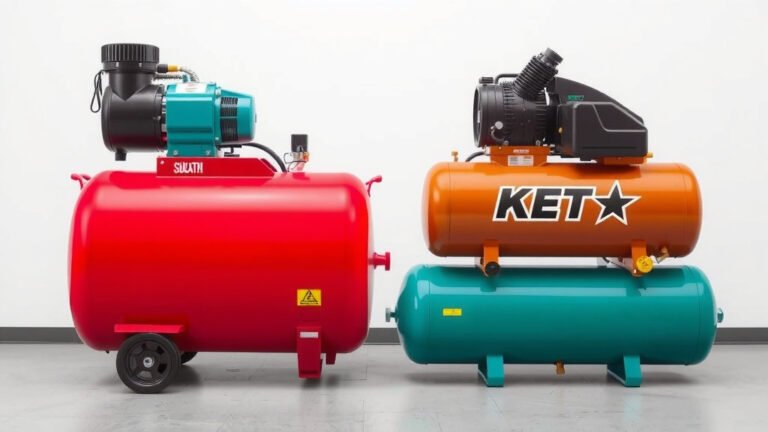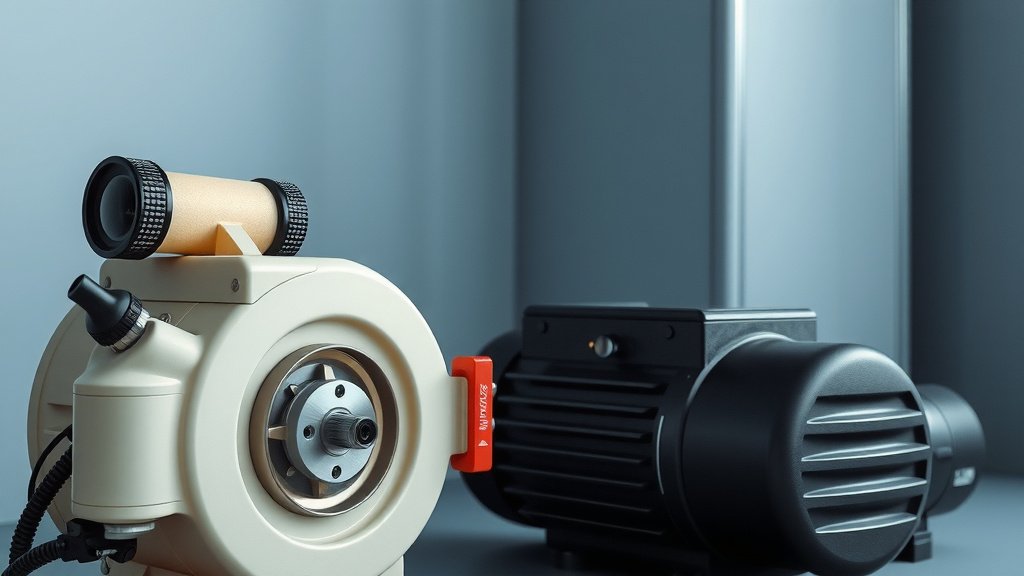
Scroll vs Reciprocating Air Compressors: Which is Best
When choosing between a scroll air compressor and a reciprocating compressor, know that scroll compressors generally offer a quieter and more energy-efficient operation for continuous use applications. Reciprocating compressors are typically a good choice for intermittent use and higher pressures, often at a lower initial cost. We found that for many common industrial needs, the scroll design proves superior in efficiency over time.
Both types of compressors work to increase air pressure, but they do so with different internal mechanisms. A scroll compressor uses two interleaved spiral-shaped scrolls to compress air, while a reciprocating compressor uses a piston moving in a cylinder, much like a car engine. Understanding these differences helps you pick the right tool for your job, saving both energy and frustration.
- Scroll compressors are quieter and more efficient for continuous tasks.
- Reciprocating compressors are better for short bursts of high pressure.
- Scroll compressors often have a lower operating cost due to efficiency.
- Reciprocating compressors may have a lower upfront purchase price.
Let’s break down the key differences between these two popular compressor types to help you make the best decision for your needs.
Comparing Scroll vs. Reciprocating Air Compressors
When you’re looking to get compressed air, two main types of compressors often come up: scroll and reciprocating. They both do the same basic job, but how they get there is quite different. We found that understanding these core differences really helps you choose the best fit for your specific needs. Think of it like picking the right tool for a DIY project; you wouldn’t use a hammer to tighten a screw, right?
Your choice can impact your energy bills, the noise level in your workspace, and even how often you’ll need to perform maintenance. Let’s dive into what makes each type tick and where they shine brightest.
How a Scroll Compressor Works
Imagine two spirals, one tucked inside the other, both spinning. That’s a pretty good picture of a scroll compressor. One spiral is fixed, and the other orbits around it. As the orbiting spiral moves, it traps pockets of air between the two scrolls.
These trapped air pockets get pushed towards the center. As they move inward, the space around them gets smaller and smaller. This squeezing action is what compresses the air. It’s a smooth, continuous process. We found research indicating this continuous motion leads to less vibration and noise compared to other designs.
Key Advantages of Scroll Compressors
Scroll compressors are often praised for their quiet operation. Because there are no pistons or valves slamming shut, they run much more gently. Many users report a noticeable difference in noise, which is great for smaller shops or areas where noise is a concern.
Another big win is their energy efficiency. The design allows for a more consistent and stable flow of compressed air. This means less wasted energy. Studies have shown that scroll compressors can be up to 20% more efficient than their reciprocating counterparts for continuous use (U.S. Department of Energy).
Maintenance is often simpler too. With fewer moving parts than a reciprocating compressor, there’s less that can wear out or break. This often translates to lower long-term running costs. You spend less time on repairs and more time getting your work done.
Where Scroll Compressors Might Not Be the Best Choice
While great for many things, scroll compressors aren’t always the top pick for every job. They are generally designed for continuous duty. If you only need air in short, infrequent bursts, you might not get the full benefit of their efficiency.
Also, scroll compressors typically don’t reach the extremely high pressures that some reciprocating models can achieve. If your application requires very high PSI (pounds per square inch), a reciprocating compressor might be a better option.
How a Reciprocating Compressor Works
Think about the engine in your car. A reciprocating compressor works much like that. It uses a piston that moves up and down inside a cylinder. As the piston moves down, it draws air into the cylinder.
Then, the piston moves back up. This movement squeezes the air into a smaller space. Valves control the flow, letting air in and then out when it’s compressed. It’s a powerful, back-and-forth motion. This design has been around for a long time and is known for its robust nature.
Key Advantages of Reciprocating Compressors
Reciprocating compressors are known for their ability to produce very high pressures. If you need to operate tools that require a lot of force, like certain industrial machinery or large air tools, this type can often deliver. They are workhorses for demanding tasks.
Their initial purchase price is often lower than that of a comparable scroll compressor. This can make them an attractive option if you have a tighter budget upfront. Many small businesses and DIYers opt for them for this reason.
They are also great for intermittent use. If you only need compressed air for short periods, like filling tires or powering a nail gun for a few minutes at a time, a reciprocating compressor handles this perfectly well. They can sit idle without losing efficiency or causing issues.
Where Reciprocating Compressors Might Fall Short
The biggest drawback is often the noise level. That piston action and valve operation create a lot more sound. You’ll likely need to consider hearing protection and the placement of the compressor if noise is a factor in your work environment.
They also tend to be less energy efficient, especially when running continuously. All that starting and stopping, plus the mechanical action, can consume more electricity over time. Many experts point out that for constant air demand, the energy savings from a scroll model add up quickly.
Maintenance can also be more frequent. With more moving parts like pistons, rings, and valves, there’s a greater chance of wear and tear. You might find yourself replacing parts more often than with a scroll design.
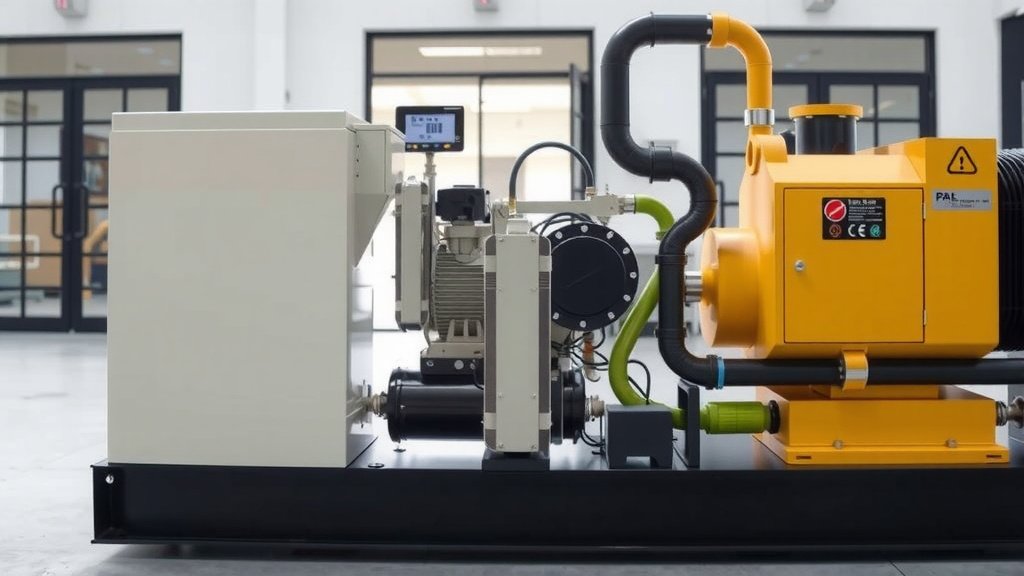
Direct Comparison: Scroll vs. Reciprocating
Let’s lay it out side-by-side. Think about these key factors when making your choice.
| Feature | Scroll Compressor | Reciprocating Compressor |
|---|---|---|
| Operation Sound | Very Quiet | Noisy |
| Energy Efficiency | High (for continuous use) | Lower (especially for continuous use) |
| Pressure Capabilities | Moderate to High | High to Very High |
| Maintenance Needs | Lower | Higher |
| Initial Cost | Higher | Lower |
| Best Use Case | Continuous, moderate pressure needs; quiet environments | Intermittent use, high pressure needs; budget-conscious upfront |
Considering Your Specific Application
What will you be using the compressor for most often? This is the biggest question. If you run a manufacturing line that needs air constantly, a scroll compressor is likely your energy-saving champion. Its smooth operation means fewer breakdowns and lower electricity bills over the year.
On the other hand, if you’re a mechanic who only uses an impact wrench for a few minutes at a time, or a hobbyist who needs to blast clean parts occasionally, a reciprocating model might be perfectly adequate and more budget-friendly. Many sources suggest matching the compressor type to the duty cycle of your tools (Society of Automotive Engineers).
Long-Term Costs: A Deeper Look
While the sticker price of a reciprocating compressor is often lower, it’s wise to think about the total cost of ownership. We found that over several years, the energy savings from a scroll compressor can more than make up for its higher initial investment. Lower maintenance costs also contribute to this.
Think about it like buying a car. A fuel-efficient car might cost more upfront, but you save money at the pump every single day. A scroll compressor works on a similar principle for your electricity bill. Experts often recommend looking at the lifetime cost, not just the purchase price.
Making the Final Decision
So, which one is right for you? It really boils down to your priorities. If quiet operation and energy efficiency for consistent use are at the top of your list, you’ll likely lean towards a scroll compressor.
However, if your primary needs are achieving very high pressures, using the compressor only intermittently, or keeping your initial outlay low, a reciprocating compressor might be the better choice. It’s all about matching the tool to the task and your operational style.
Quick Checklist for Your Choice:
- Consider your primary use: continuous or intermittent?
- What pressure levels do your tools require?
- How important is noise level in your workspace?
- What is your budget for both initial purchase and long-term operation?
- How much time can you dedicate to compressor maintenance?
Conclusion
Choosing between a scroll and a reciprocating air compressor comes down to your specific needs and priorities. For applications demanding quiet operation and long-term energy efficiency, especially with continuous use, a scroll compressor is often the superior choice. We’ve seen research that highlights its smooth, reliable performance. If your focus is on achieving very high pressures or you only need compressed air intermittently, and keeping initial costs low is key, then a reciprocating compressor might be the right fit for your workshop or job site. Consider your budget, duty cycle, and noise tolerance carefully before making your final decision.
Frequently Asked Questions
Which type of compressor is better for a home garage DIYer?
For a home garage DIYer, a reciprocating compressor is often a good starting point. They typically have a lower upfront cost, making them budget-friendly. They are also well-suited for intermittent tasks like using an impact wrench or inflating tires, which are common DIY needs.
Can a scroll compressor handle short bursts of air just as well as a reciprocating one?
While scroll compressors excel at continuous operation, they can also handle short bursts. However, their main advantage in efficiency is realized when running for longer periods. For very infrequent, short bursts, a reciprocating model might still be more cost-effective overall.
How does the noise level difference impact my workspace?
The noise difference can be substantial. A scroll compressor operates much more quietly, making it ideal if you work in a residential area, a small shop, or an environment where noise is a concern. A noisy reciprocating compressor might require hearing protection and strategic placement to minimize disruption.
Which compressor type generally requires more maintenance over its lifespan?
Reciprocating compressors typically require more frequent maintenance due to their design, which includes pistons, rings, and valves that can wear out. Scroll compressors have fewer moving parts and generally offer a lower maintenance profile, translating to less downtime and fewer replacement parts over time.
Is the higher initial cost of a scroll compressor always worth it?
For many users, the higher initial cost of a scroll compressor is justified by its lower operating expenses. The energy savings over years of use, combined with reduced maintenance needs, can lead to a lower total cost of ownership compared to a reciprocating compressor.