110V vs 220V Air Compressor: Which Is Right for You
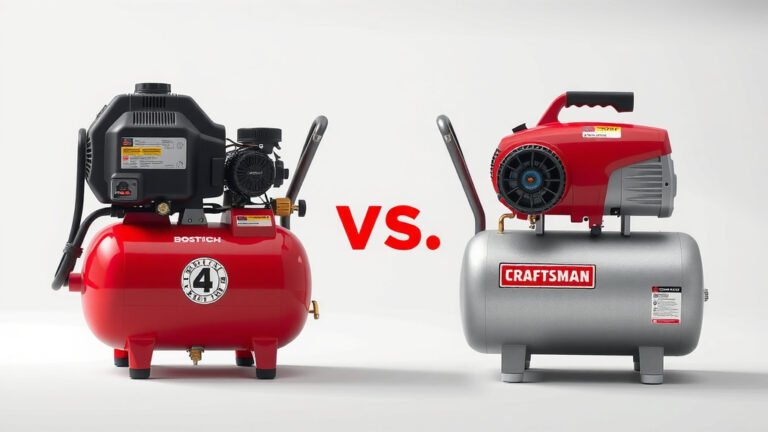
When choosing between a 110v and 220v air compressor, the primary difference lies in their power requirements and application. A 110v compressor is suitable for most household tasks and smaller workshops, while a 220v compressor is designed for heavier-duty industrial use requiring more airflow and pressure. Think of it like choosing between a sedan and a truck – both get you somewhere, but one handles tougher jobs.
Your choice depends heavily on the tools you plan to power and the amount of continuous operation you need. Higher voltage typically means more horsepower and a greater CFM (Cubic Feet per Minute) output. This translates to the ability to run demanding tools like impact wrenches or spray paint guns without the compressor struggling. Understanding these basics will save you a lot of headaches and potential return trips to the store.
TL;DR:
- 110v compressors are for light home use.
- 220v compressors are for heavy-duty jobs.
- Voltage impacts power and airflow (CFM).
- Choose based on your tools and workload.
Let’s break down the key differences and help you figure out which voltage will best suit your needs.
Understanding Air Compressor Voltages: 110V vs. 220V
When you’re looking at air compressors, you’ll notice they come in different power types. The voltage is a big clue. It tells you how much electrical juice the compressor needs to run. 110V and 220V are the most common options you’ll find for home and workshop use. They aren’t interchangeable, and picking the right one matters for your projects.
What Does Voltage Mean for an Air Compressor?
Voltage is a measure of electrical potential. Think of it like water pressure in your pipes. Higher voltage means more electrical ‘pressure.’ This extra pressure allows the compressor’s motor to work harder. It can spin faster and produce more power. Many sources suggest that higher horsepower motors are often paired with higher voltages (U.S. Department of Energy).
110V: The Household Standard
A 110V air compressor uses standard household power. You can plug these right into a regular wall outlet. This makes them super convenient for most homes and smaller garages. They are perfect for tasks that don’t require a ton of air or continuous operation.
220V: For Bigger Jobs
A 220V air compressor needs a special outlet. These are often found in workshops or garages that are wired for larger appliances. They are designed to deliver much more power. This extra punch is necessary for demanding tools and longer run times.
Powering Your Projects: What You Need to Consider
Choosing between 110V and 220V really boils down to what you plan to do with it. It’s like picking the right tool for a specific job. Using a 110V compressor for heavy-duty tasks might leave you frustrated. Similarly, installing a 220V outlet for a small hobby project might be overkill.
Matching Compressor to Your Tools
The tools you plan to use are the biggest factor. Some tools are air hogs, meaning they consume a lot of compressed air quickly. Others are more gentle.
- Low Air Demand Tools: These include things like nail guns, staplers, and small inflation tools. A 110V compressor can often handle these just fine.
- Medium Air Demand Tools: Things like air ratchets and small spray paint guns fall into this category. A 110V might struggle if used for extended periods. A 220V would be a better fit here for consistent performance.
- High Air Demand Tools: Impact wrenches, sanders, grinders, and large paint sprayers are serious air consumers. These almost always require the power of a 220V compressor. They need a steady, high volume of air to perform optimally.
Understanding CFM and PSI
When looking at compressors, you’ll see numbers for CFM and PSI. These are super important. They tell you how much air the compressor can deliver and at what pressure.
- PSI (Pounds per Square Inch): This is the pressure of the air. Most tools require a certain PSI to operate correctly. Both 110V and 220V compressors can achieve high PSI.
- CFM (Cubic Feet per Minute): This is the volume of air the compressor can produce. This is where the voltage difference really shows. Higher CFM means more air is available. You need enough CFM to keep up with your tools. A compressor with a higher CFM rating can power multiple tools or one very demanding tool without running out of air. A compressor with a higher CFM rating can power multiple tools or one very demanding tool without running out of air; learn about air compressor hose sizes.
Many experts note that for continuous use with air tools, matching or exceeding the tool’s CFM requirement is critical (National Portable Air Compressor Association).
Continuous vs. Intermittent Use
Think about how long you’ll be running your compressor. Will you be using it for quick bursts, or will it be on for hours at a time?
- Intermittent Use: If you just need to tack some wood or inflate a tire now and then, a 110V compressor is likely sufficient.
- Continuous Use: For tasks like painting a car, running sanders, or operating multiple tools, you’ll need the staying power of a 220V compressor. These units are built for endurance. They can maintain pressure and airflow for longer periods without overheating.
Installation and Electrical Requirements
This is where things can get a bit more technical, but it’s really important to get right. Your home’s electrical system plays a big role in your decision.
What You Need for a 110V Compressor
Good news here! If you have a standard 110V or 120V outlet, you’re generally good to go. Most 110V compressors will plug right in. However, it’s wise to check the amperage rating of the compressor. Make sure the circuit you plan to use can handle the load. An overloaded circuit can trip a breaker, and nobody wants that!
What You Need for a 220V Compressor
This requires a bit more planning. You’ll need a 220V or 240V outlet. This is a different plug than a standard outlet. You might need an electrician to install this for you. They’ll ensure the wiring and breaker are appropriate for the compressor’s power draw. For safety and proper function, it’s often recommended to consult a professional for 220V installations (Occupational Safety and Health Administration).
The Power Cord Difference
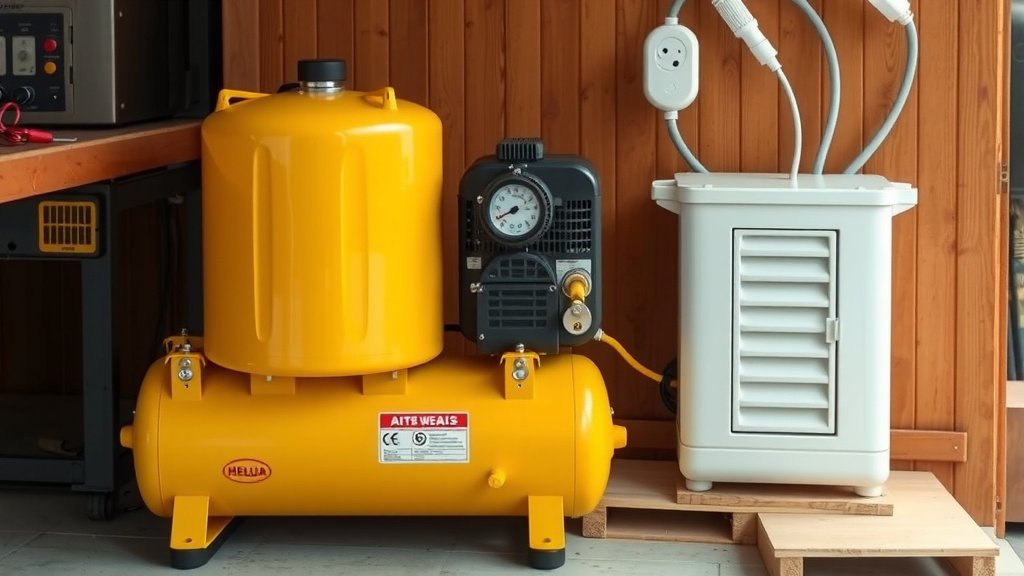
You might also notice that 220V compressors often have thicker power cords. This is because they handle more electricity. It’s a visual cue to the increased power they’re managing.
Making the Right Choice for Your Needs
So, how do you decide? Let’s sum it up with a quick checklist to guide you.
- Assess Your Tools: List all the air-powered tools you own or plan to buy.
- Check Tool CFM/PSI Needs: Find out the air requirements for your most demanding tools.
- Consider Your Workload: Will you be using the compressor for short tasks or long projects?
- Evaluate Your Electrical Setup: What kind of outlets do you have available?
- Factor in Future Needs: Might you take on bigger projects down the line?
- Budget Wisely: While 110V might be cheaper upfront, a 220V might save you hassle later.
By thinking through these points, you’re setting yourself up for success. You’ll get a compressor that works efficiently for you without causing electrical headaches. Both 110V and 220V have their place. The key is to match the compressor’s capabilities to your specific requirements.
Conclusion
Choosing between a 110v and 220v air compressor boils down to matching power to your specific needs. You’ve learned that 110v is great for lighter tasks and standard outlets, while 220v is the powerhouse for demanding tools and continuous operation. Don’t overlook your tools’ air requirements (CFM) and the electrical setup in your workspace. Make sure you have the right circuit and outlet to avoid frustration. Now that you have a clearer picture, take a moment to list your tools and their demands. This will help you confidently pick the compressor that will serve you best for years to come.
Frequently Asked Questions
Can I run a 220V air compressor on a 110V outlet?
No, you absolutely cannot run a 220V air compressor on a standard 110V outlet. Attempting to do so will not work and could damage both the compressor and your electrical system. 220V compressors require a dedicated 220V circuit and outlet to function correctly and safely.
How do I know if my workshop has the right electrical setup for a 220V compressor?
You can typically identify a 220V outlet by its different shape and number of slots compared to a standard 110V outlet. Often, these are found in garages or workshops wired for larger appliances. If you’re unsure, it’s best to consult a qualified electrician to verify your setup or install the necessary outlet.
Will a 110V compressor be strong enough for occasional car maintenance tasks?
For many common car maintenance tasks like using a small impact wrench for tire changes or running a blow gun, a 110V compressor might suffice. However, if you plan to use larger impact wrenches for suspension work or need sustained air for air tools, a 220V compressor would provide more consistent power and airflow.
What is the main difference in CFM between 110V and 220V compressors?
Generally, 220V compressors are designed to deliver a higher CFM (Cubic Feet per Minute) output compared to 110V models. This means they can supply a larger volume of air per minute, which is essential for running air-hungry tools like sanders, grinders, or paint sprayers for extended periods.
Is it worth upgrading to a 220V compressor if I’m just a hobbyist?
If your hobby involves tools that require high air volume or continuous use, like painting or running demanding tools, then a 220V compressor is likely a worthwhile investment. For lighter tasks such as nailing or inflating tires occasionally, a 110V unit will likely be perfectly adequate and more cost-effective.