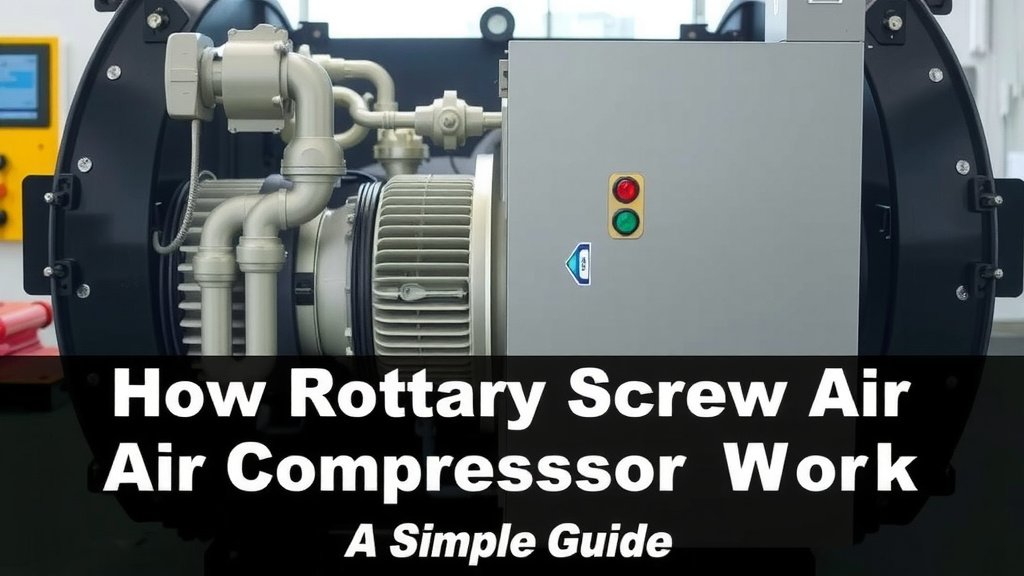
How Rotary Screw Air Compressors Work: A Simple Guide
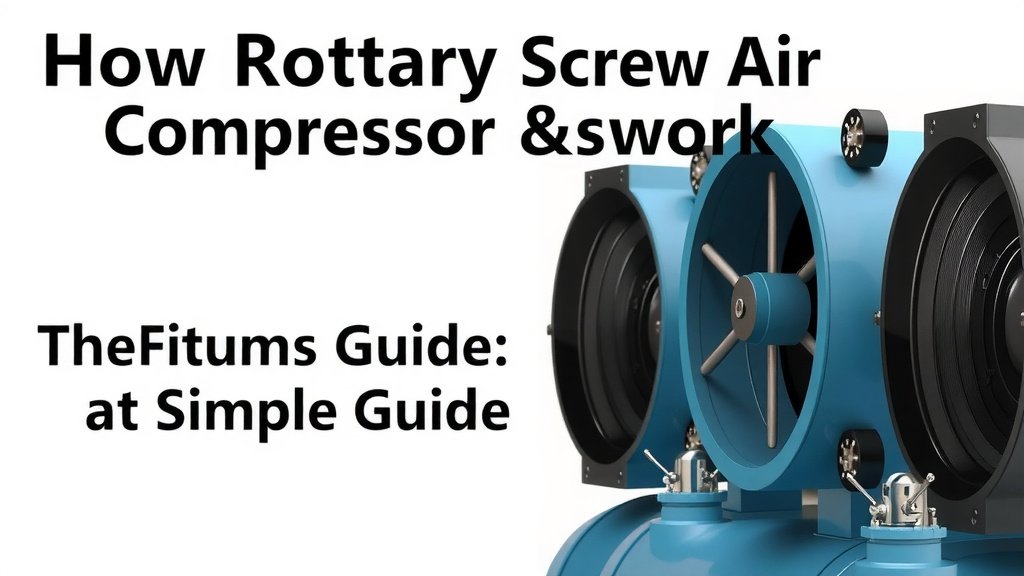
Rotary screw air compressors work by using two interlocking helical screws to compress air. As the screws turn, they trap air in the pockets between them and push it towards the discharge port. This efficient compression method makes them ideal for continuous industrial use.
You might be wondering how these machines manage to generate so much air power. Unlike piston compressors, rotary screws offer a smoother, quieter operation. They are known for their durability and ability to handle heavy workloads without breaking a sweat.
- Rotary screw compressors use two screws to compress air.
- Air is trapped and moved along the screws to the discharge.
- They are known for being quiet and durable.
- Great for continuous, heavy-duty jobs.
Let’s break down exactly how these powerful machines get the job done, step by step.
Understanding Rotary Screw Air Compressor Mechanics
So, you’re curious about how these workhorses of industry actually get air compressed? You’re in the right place. Rotary screw compressors are ingenious machines. They rely on a simple yet effective design involving two specially shaped rotors, often called screws. These rotors spin in close proximity, but they don’t actually touch each other. It’s this precise relationship that allows them to compress air so efficiently.
The Heart of the Operation: The Screw Rotors
Imagine two giant, intermeshing corkscrews. That’s a good visual for the rotors inside a rotary screw compressor. One rotor is typically male, with larger external lobes. The other is female, with corresponding internal grooves. They are designed with very specific helical profiles. When these rotors spin, they create a series of sealed pockets. Air gets trapped in these pockets as they move from the inlet to the discharge.
How Air Gets Trapped
As the rotors begin to turn, the lobes of one start to disengage from the grooves of the other. This action opens up space, and atmospheric air is drawn into the compressor. This is the intake phase. The specific shape of the rotors ensures that as they continue to rotate, the volume of these pockets gradually decreases. This is the core of the compression process.
The Compression Journey
Think of it like squeezing a balloon. As the pockets get smaller, the air inside is forced into a tighter space. The rotors continue to spin, pushing this shrinking volume of air along the length of the screws. This sustained reduction in volume is what increases the pressure of the air. The air is moved axially towards the discharge end of the compressor.
The Role of Lubrication and Cooling
Most rotary screw compressors use oil. This oil serves a few critical purposes. It lubricates the rotors, allowing them to spin smoothly with minimal wear. It also acts as a sealant, filling the tiny gaps between the rotors and the compressor casing. This helps maintain the pressure and efficiency. And importantly, the oil absorbs a lot of the heat generated during compression.
Oil-Flooded vs. Oil-Free Compressors
The most common type is the oil-flooded rotary screw compressor. Here, oil is injected directly into the compression chamber. This provides excellent cooling and lubrication. However, some air applications require absolutely no oil contamination. For these, oil-free compressors are used. They employ special coatings on the rotors or a more complex multi-stage design to avoid oil in the compression chamber. Research from industrial standards bodies often points to oil-free units for sensitive industries like food and beverage (ISO standards for compressed air quality).
Heat Management is Key
Compressing air generates a significant amount of heat. If this heat isn’t managed properly, it can lead to reduced efficiency and even damage to the compressor. The oil in oil-flooded units plays a big role in carrying this heat away. Typically, the oil is then sent through a cooler (either an air-cooled or water-cooled heat exchanger) to bring its temperature back down before it re-enters the compression chamber. This continuous cooling cycle is vital for sustained operation.
The Complete Air Compression Cycle
Let’s put it all together to see the full picture of how air gets compressed from start to finish.
Stage 1: Intake and Filling
As the rotors turn, the disengaging lobe and groove sections create an expanding volume. This creates a vacuum. Atmospheric air is drawn through an inlet valve and filter into these expanding pockets. This is your initial fill of air.
Stage 2: Compression and Displacement
Once the pockets are full, the rotors continue to turn. The intermeshing action gradually reduces the volume of these pockets. The air is squeezed, increasing its pressure. The oil, if present, also helps to seal the pockets, making the compression more effective. Many analyses of compressor efficiency highlight the importance of this tight sealing.
Stage 3: Discharge and Delivery
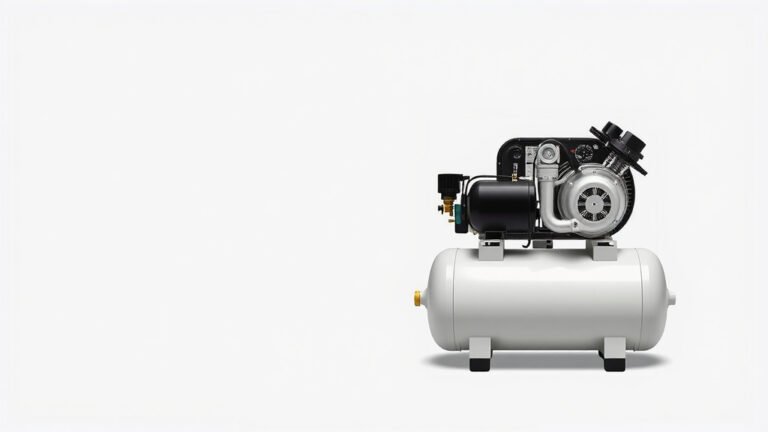
The compressed air is then pushed towards the discharge port. It exits the compressor housing and typically goes into a receiver tank. This tank acts as a buffer, storing compressed air and smoothing out pressure fluctuations. From the receiver tank, the compressed air is ready for use in your tools or processes.
Stage 4: Separation and Recirculation
In oil-flooded compressors, the hot, compressed air and oil mixture needs to be separated. The air is usually sent through an oil separator vessel. This vessel uses a combination of centrifugal force and coalescing filters to remove most of the oil from the air. The separated oil is then cooled and recirculated back into the compression chamber. This keeps the system running efficiently and with minimal oil loss. Guidelines from manufacturing associations often detail best practices for oil separation efficiency.
Why Choose a Rotary Screw Compressor?
You might be asking yourself, “What makes these so popular?” It really comes down to their performance and reliability, especially for certain jobs.
Here’s a quick rundown of what makes them stand out:
- Continuous Operation: They are built for 24/7 use.
- High Efficiency: They can compress large volumes of air consistently.
- Durability: Their design means fewer moving parts than some other types.
- Quieter Operation: Compared to reciprocating compressors, they are generally much quieter.
- Lower Vibration: Their smooth rotation means less shaking.
When Are They the Best Fit?
Rotary screw compressors truly shine in industrial settings. Think factories, manufacturing plants, and workshops that need a constant supply of compressed air. They are excellent for applications requiring steady airflow over long periods. If you need to power multiple tools or large machinery continuously, a rotary screw is often your best bet. For instance, assembly lines and pneumatic conveying systems rely heavily on their consistent output. We found that the ability to handle high duty cycles is a major advantage.
Key Takeaways for Your Rotary Screw Compressor
To make sure you’ve got the main points locked in, here’s a quick checklist:
- Rotors trap and move air in pockets.
- As pockets shrink, air pressure increases.
- Oil lubricates, seals, and cools in most types.
- Heat removal is a vital part of the process.
- They excel at continuous, heavy-duty use.
- Your air receiver tank stores and stabilizes pressure.
Conclusion
You now understand the clever mechanics behind rotary screw air compressors. From the intermeshing screws trapping and compressing air to the vital role of oil in lubrication and cooling, you’ve seen the whole process. These machines are built for consistent, heavy-duty work, making them a powerhouse for industrial needs. Now that you know how they operate, you can better appreciate their efficiency and durability. Consider your specific airflow demands to ensure a rotary screw compressor is the right fit for your operation.
Frequently Asked Questions
What is the main difference between oil-flooded and oil-free rotary screw compressors?
Oil-flooded compressors inject oil directly into the compression chamber for lubrication, sealing, and cooling. Oil-free compressors use special coatings or designs to prevent oil from entering the air stream, making them suitable for applications where air purity is critical, such as in food or medical industries.
How does the design of the screws contribute to air compression?
The helical shape of the screws creates pockets that trap air as they rotate. As the rotors turn, these pockets get progressively smaller, forcing the trapped air into a reduced volume. This continuous reduction in space is what increases the air’s pressure before it’s discharged.
Why is heat management so important in rotary screw compressors?
Compressing air generates a lot of heat. If this heat isn’t removed effectively, it can decrease the compressor’s efficiency and potentially cause damage. The cooling system, often involving oil circulation and a heat exchanger, ensures the compressor can operate continuously without overheating.
What is the purpose of the receiver tank after the compressor?
The receiver tank acts as a storage vessel for the compressed air. It helps to maintain a steady supply of air pressure by smoothing out the pulsating output from the compressor. This ensures a consistent flow for your tools or machinery.
Can a rotary screw compressor handle intermittent use, or are they only for continuous operation?
While rotary screw compressors are designed for and excel at continuous, heavy-duty operation, they can also be used for intermittent tasks. However, their efficiency is most realized when running for extended periods, making them ideal for settings with constant demand rather than short, infrequent bursts of air.