How to Drain Your Air Compressor Tank Safely
You can drain water from your air compressor tank by opening the drain valve at the bottom. This is a **simple process** that helps prevent rust and damage. You’ll need to do this regularly to keep your compressor in good shape.
Water gets into your air compressor tank as a byproduct of its operation. When you don’t drain it, that water can cause corrosion inside the tank. This can lead to leaks and a shorter lifespan for your equipment. It’s a key part of regular air compressor maintenance.
- Open the drain valve to let water out.
- Do this when the tank is empty and the compressor is off.
- Water builds up as a result of compressing air.
- Regular draining prevents rust and tank damage.
- It’s an easy step for long-term compressor health.
Let’s walk through exactly how to drain your air compressor tank, step by step.
Getting Water Out of Your Air Compressor Tank
Draining water from your air compressor tank is a straightforward task. You might wonder why water even ends up there. It’s a natural byproduct of compressing air. As air is compressed, its temperature rises. When the air cools inside your tank, the moisture it holds condenses into liquid water. So, regularly emptying this water is essential for your compressor’s well-being. This article explains how often to drain your air compressor and why it’s crucial.
Why Draining is So Important
Ignoring that water can lead to some pretty serious problems down the line. Think of it like leaving a wet towel in a gym bag for too long – not a good smell, and definitely not good for the bag! In your compressor tank, water can cause rust and corrosion. This weakens the tank’s integrity over time. It can lead to leaks, which means your compressor might not hold pressure effectively anymore. Plus, rusty particles can get into your air lines, potentially damaging the tools you connect.
Many experts recommend draining the tank at least once a week if you use it regularly. If you live in a humid climate or use your compressor extensively, you might need to drain it more often. Keeping the tank dry is one of the simplest yet most effective ways to extend your compressor’s lifespan and ensure it performs at its best.
Steps for Draining Your Air Compressor Tank
Ready to get that water out? It’s a simple process that won’t take much of your time. We’ll go through it step-by-step so you can feel confident doing it yourself.
Preparation: Safety First!
Before you even think about turning a valve, safety is your top priority. You want to make sure the compressor is completely safe to work on. This means ensuring there’s no pressure in the tank and that the unit is powered off.
Step 1: Turn Off the Compressor
The first and most crucial step is to shut down the compressor. Don’t just unplug it; make sure you turn off the main power switch. You want to be absolutely sure there’s no power running to the unit while you’re working on it. This prevents accidental startups.
Step 2: Release Any Remaining Pressure
Even after turning it off, there might be residual pressure in the tank. You need to release this. You can do this by opening a tool connected to the compressor or by using the regulator knob. Slowly open up your air hose or a connected tool. You should hear the air escaping. Continue this until you no longer hear any air releasing.
Locating and Operating the Drain Valve
Now that your compressor is safe and depressurized, it’s time to find the drain valve. This is where the magic happens and the water gets out.
Step 3: Find the Drain Valve
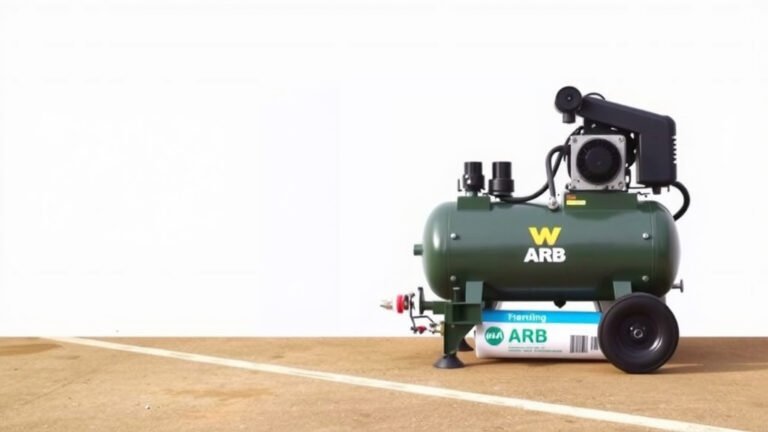
The drain valve is almost always located at the very bottom of the air compressor tank. It looks like a small faucet or a knob. Some common types include a standard faucet-style valve, a ball valve with a lever handle, or a petcock-style valve that you turn with a screwdriver or wrench. Check your compressor’s manual if you’re having trouble locating it.
Step 4: Position a Container
You’ll want something to catch the water that comes out. A shallow pan, a bucket, or even an old plastic container works perfectly. Place it directly underneath the drain valve. This prevents a mess on your floor and makes cleanup a breeze.
Step 5: Open the Drain Valve Slowly
Now for the main event! Slowly open the drain valve. If it’s a faucet-style or ball valve, you’ll likely just need to turn the handle. If it’s a petcock, you might need a screwdriver or wrench. As you open it, you’ll likely hear a hissing sound as any remaining air escapes. Then, water should start to drain out. It might be murky or even rusty-colored, which is normal.
Don’t be alarmed if you see a stream of water at first. You’re essentially giving your compressor tank a much-needed shower. Let it drain until only air is coming out, or until the flow stops completely. This process can take a few minutes, depending on how much condensation has built up. Be patient!
Finishing Up and Regular Maintenance
Once the water is out, you’re almost done. A few final steps ensure everything is buttoned up correctly.
Step 6: Close the Drain Valve
Once the tank is empty of water, or only air is coming out, it’s time to close the drain valve. Turn it back to its original position to ensure a tight seal. If you used a screwdriver or wrench, tighten it gently but firmly. You don’t want any leaks to start now!
Step 7: Final Checks
Give the area around the drain valve a quick wipe-down to clean up any stray drips. Then, you can repressurize your tank by turning the compressor back on. It’s a good idea to listen for any unusual sounds or check for leaks around the valve once it’s pressurized again.
Checklist for Draining Your Compressor
Here’s a quick rundown to keep in mind:
- Ensure the compressor is off and depressurized.
- Locate the drain valve at the bottom of the tank.
- Place a container underneath the valve.
- Open the valve slowly to let water drain.
- Wait until no more water comes out.
- Close the valve tightly.
How Often Should You Drain the Tank?
The frequency of draining depends heavily on your usage and your environment. As a general rule of thumb, many professionals recommend draining your air compressor tank daily if you use it frequently throughout the day. If you only use it occasionally, draining it at least once a week is a good practice.
Consider these factors:
- Humidity: High humidity means more moisture in the air, leading to more condensation.
- Usage Time: The longer your compressor runs, the more air it compresses and the more water it can produce.
- Ambient Temperature: Temperature changes can also influence condensation.
Think of it like checking your car’s oil – a little regular attention prevents big problems later. Many equipment manuals suggest a draining schedule. Consulting your specific model’s manual is always a smart move (User Manual).
Conclusion
You’ve learned how simple it is to drain water from your air compressor tank. This regular maintenance task is key to preventing rust and protecting your equipment. By following the steps, you ensure your compressor runs efficiently and lasts longer. Remember to make this a habit, just like checking your tire pressure. A few minutes spent draining the tank can save you a lot of money and hassle down the road. So, make it a part of your routine for a healthier compressor!
Frequently Asked Questions
How much water should come out when draining the tank?
The amount of water can vary greatly. You might see a little bit, or you could get a good stream, especially if it’s been a while. If you notice a lot of water every time, it might indicate high humidity or heavy usage. Don’t worry if it looks murky; that’s normal.
Can I drain the tank while it’s still pressurized?
No, you should never drain the tank while it’s pressurized. Always ensure the compressor is turned off and all air pressure has been released before opening the drain valve. Working with a pressurized tank can be dangerous and could cause injury or damage.
What happens if I don’t drain the water regularly?
If you skip draining, the water can cause rust and corrosion inside your tank. This weakens the tank over time and can lead to leaks. Rusty particles can also get into your air lines and damage your tools. It’s a simple step that prevents major problems.
My drain valve is stuck. What should I do?
If the drain valve is stuck, try applying a penetrating lubricant around the valve threads and letting it sit for a bit. You might need to gently tap it or use a wrench. Make sure the tank is completely depressurized before attempting to force it. If it still won’t budge, consult your compressor’s manual or a repair professional.
Can I use compressed air to blast out the water faster?
No, you should not use compressed air to try and force water out faster. The proper method is to simply open the drain valve and let gravity do the work. Using compressed air can be dangerous and is not an effective way to clear the tank of water and condensation.