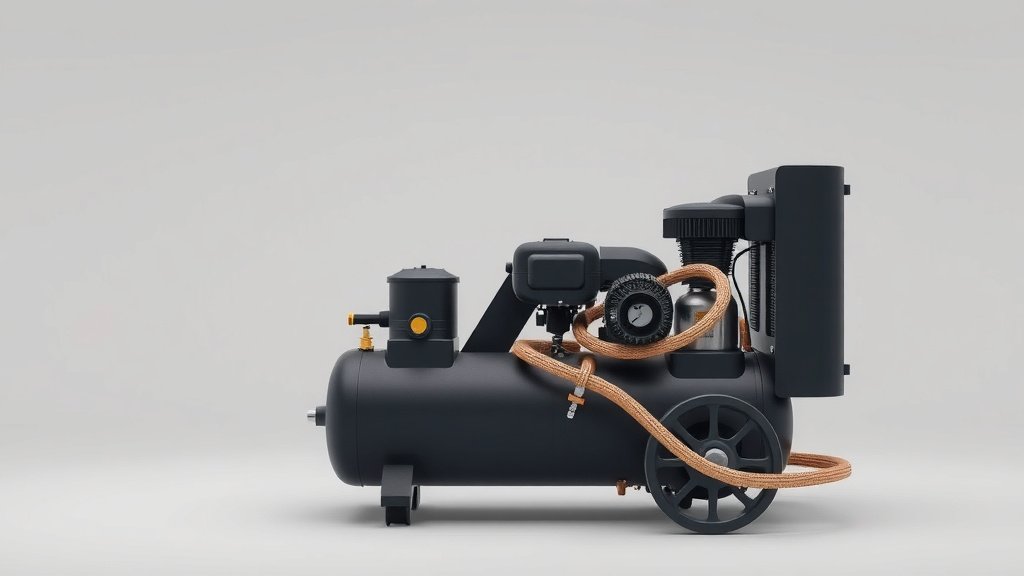
How a High Pressure Air Compressor Works Explained
A high pressure air compressor works by drawing in ambient air and forcing it into a smaller space, increasing its pressure. This is typically done using pistons or rotating screws that squeeze the air. You’ll find these powerful machines are essential for tasks requiring a lot of force, like powering tools or inflating tires to high levels. They force air into a smaller volume to build up that necessary pressure.
These compressors are more than just air pumps; they are vital pieces of equipment in many industries. They use mechanical energy, often from an electric motor or engine, to perform this compression. The stored pressurized air then becomes a usable energy source for various applications, from auto repair shops to manufacturing plants. It’s a clever way to store and deploy mechanical energy on demand, making your tools work harder.
- Air is drawn in and squeezed into a smaller space.
- This process uses pistons or rotating screws.
- Increased pressure makes air a usable energy source.
- Essential for power tools and high-pressure applications.
Let’s walk through exactly how this works step by step, so you can understand the magic behind that compressed air.
Understanding How High-Pressure Air Compressors Operate
So, you’re curious about how these powerful machines take ordinary air and turn it into a high-pressure force? It’s a fascinating process that relies on some basic physics principles. Essentially, a high-pressure air compressor works by squeezing air into a much smaller space than it normally occupies. This squeezing action, known as compression, forces the air molecules closer together, dramatically increasing their pressure.
Think of it like pushing a plunger down in a sealed syringe filled with air. As you push the plunger, the air has less room to move, and its pressure builds up. Air compressors do something very similar, but on a much larger and more powerful scale, using mechanical energy to achieve this.
The Core Components at Play
At their heart, most high-pressure air compressors share a few key components. These parts work together in a cycle to draw in air, compress it, and then store it for use. You’ll find these elements are vital for the compressor’s function.
The Intake Valve: Letting Air In
Every compressor needs to breathe, and that’s where the intake valve comes in. This is like the compressor’s mouth. It opens to allow ambient air from the surroundings into the compression chamber. When the piston moves or the screws rotate in a way that creates a lower pressure area, the outside air is naturally drawn in.
The Compression Stage: The Squeeze
This is where the magic really happens. Inside the compressor, a mechanism forces the air into a smaller and smaller volume. We’ll look at the two main types in detail below, but the goal is always the same: to reduce the space air molecules have. This reduction in volume directly leads to an increase in pressure and temperature, a fundamental concept in physics.
Piston Compressors: The Classic Approach
Many high-pressure compressors use a piston-and-cylinder design, similar to your car’s engine. A piston moves up and down inside a cylinder. On the downstroke, the intake valve opens, and air fills the cylinder. Then, as the piston moves up, it pushes the air into a much smaller space. A discharge valve opens to let this compressed air out, and then the cycle repeats. Many high-pressure compressors use a piston-and-cylinder design, similar to your car’s engine; learn more about 1-cylinder vs 2-cylinder models.
Rotary Screw Compressors: The Continuous Flow
Another popular type uses two interlocking helical screws that rotate in opposite directions. As the screws turn, they trap air between their threads and move it along the length of the screws. The shape of the screws is designed so that the space the air occupies gets progressively smaller. This method provides a more continuous and smooth flow of compressed air compared to the pulsating flow from piston types.
The Discharge Valve: Releasing the Pressure
Once the air is squeezed to the desired high pressure, it needs to be released. The discharge valve opens at the right moment to allow the high-pressure air to move out of the compression chamber. This air then typically flows into a storage tank.
Storing the Compressed Air: The Tank’s Role
You can’t just release all that compressed air at once and expect it to be useful. That’s why most high-pressure systems include a storage tank, often called a receiver. This tank acts like a reservoir, holding the compressed air until you need it.
The tank allows the compressor to operate efficiently. It can run for periods, building up a reserve of air, and then stop while you use the stored air. This prevents the compressor from having to run constantly. The tank also helps to smooth out any fluctuations in pressure, providing a more consistent supply of air to your tools or equipment. Many tanks are built to withstand very high pressures, ensuring safety.
Cooling Down: Managing the Heat
As air is compressed, its temperature increases significantly. This is a natural consequence of squeezing gas molecules together. If this heat isn’t managed, it can damage the compressor’s components and reduce the efficiency of the compression process. Many high-pressure compressors incorporate cooling systems.
These cooling systems can be air-cooled or water-cooled. You might see fins on the cylinders to help dissipate heat into the surrounding air, or a fan blowing air over the components. More powerful units might use a water jacket system to circulate coolant. Some compressors also have intercoolers between compression stages to lower the temperature before the next stage of squeezing. This heat management is critical for longevity and performance.
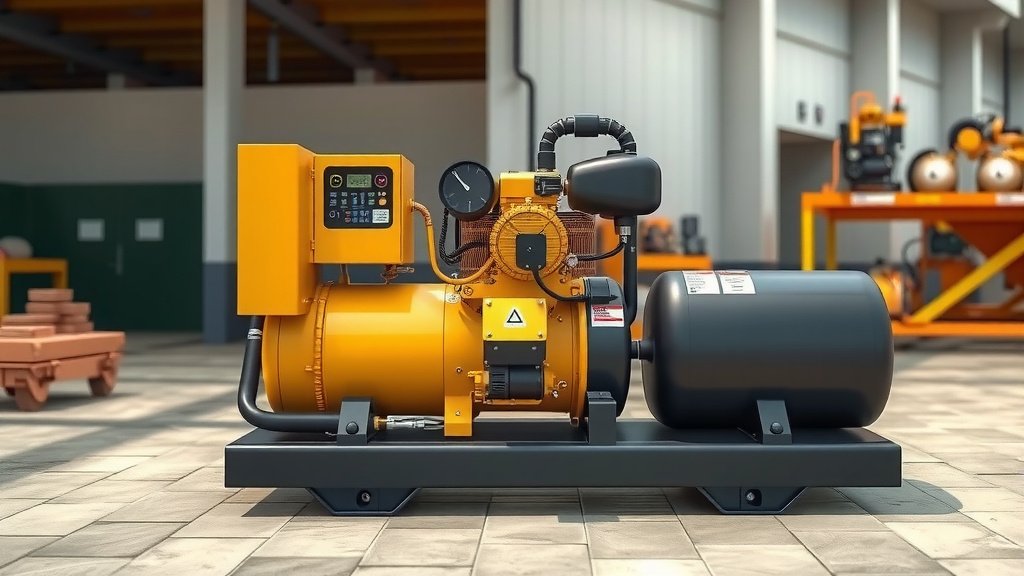
Filtering and Drying: Ensuring Quality Air
The air drawn into a compressor isn’t perfectly clean. It contains dust, dirt, and moisture. If this isn’t removed, it can cause wear and tear on the compressor and the equipment it powers. Therefore, filtration and drying are essential steps.
Filters are used at the intake to remove particles before the air even enters the compression chamber. After compression and cooling, moisture is often condensed out of the air. This condensed water needs to be removed, often through a drain valve. For applications requiring very dry air, additional dryers, like desiccant dryers, may be used. Clean, dry air is crucial for optimal operation and to prevent damage.
The Pressure Regulation: Controlling the Output
You rarely need the full, maximum pressure the compressor can generate for every task. That’s where a pressure regulator comes in. This device allows you to set the desired working pressure for your air tools or system. It works by controlling the flow of air from the storage tank to the outlet.
When the pressure in the line drops below your set point, the regulator allows more air from the tank to flow. When the pressure reaches your set point, it restricts the flow. This ensures you get a consistent and safe operating pressure, protecting your equipment and ensuring it performs as intended. Many compressors have gauges that show you the tank pressure and the regulated output pressure.
Key Steps in the Compression Cycle
Let’s quickly recap the journey of air through a typical high-pressure compressor:
- Air is drawn into the compressor through an intake filter.
- A mechanism (piston or screws) squeezes the air into a smaller volume.
- This compression causes the air’s pressure and temperature to rise.
- Cooling systems reduce the high temperature generated.
- Moisture is removed from the compressed air.
- The high-pressure air is stored in a receiver tank.
- A regulator controls the output pressure for your tools.
Conclusion
You’ve learned how a high-pressure air compressor transforms simple air into a powerful energy source. By drawing in air, compressing it with pistons or screws, and managing heat and moisture, these machines store potential energy in a tank. A regulator then ensures you get the right amount of pressure for your specific task. Understanding this process helps you appreciate the engineering behind your tools and equipment. Ready to make the most of your compressed air system? Consider regular maintenance checks to ensure your compressor runs efficiently and safely for years to come.
Frequently Asked Questions
How does a high-pressure air compressor differ from a regular air compressor?
High-pressure compressors are designed to reach much greater PSI (pounds per square inch) levels than standard compressors. This higher pressure is necessary for demanding applications like industrial tools or high-volume tire inflation. They often have more robust construction and advanced cooling systems to handle the extreme conditions.
Can I use any air tool with a high-pressure compressor?
Not all air tools are designed for high pressure. You must check the pressure requirements for your specific air tool. Using a tool rated for lower pressure with a high-pressure compressor could cause damage or create a safety hazard. Always match your tool’s PSI needs to your compressor’s regulated output.
Why does compressed air get hot?
Compressing air forces the air molecules closer together in a smaller space. This rapid reduction in volume increases the kinetic energy of the molecules, which translates to a rise in temperature. This is a fundamental principle of physics; the more you squeeze the air, the hotter it gets.
What happens if I don’t remove moisture from compressed air?
Moisture in compressed air can lead to rust and corrosion within your compressor tank and air lines. It can also damage sensitive air tools by washing away lubrication or causing them to seize up. For many applications, especially painting or precision work, dry air is absolutely essential.
How often should I drain the tank on my air compressor?
You should drain your air compressor tank regularly, ideally after each use. This removes the condensed moisture that builds up inside. Leaving water in the tank for extended periods can lead to corrosion and reduce the tank’s integrity over time, impacting both performance and safety.