How a Reciprocating Air Compressor Works Explained
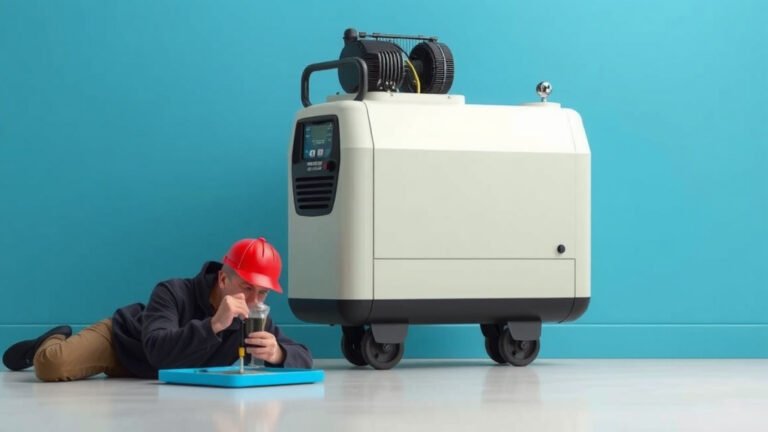
A reciprocating air compressor works by using a piston moving back and forth inside a cylinder. This motion draws air in and then squeezes it, just like a bicycle pump. This cycle of drawing in and compressing air makes it ready for powering your tools.
You might be wondering how this simple back-and-forth action creates usable compressed air. It’s a method that’s been around for a while, making it a reliable choice for many applications. This design is known for its durability and straightforward operation.
- It uses a piston in a cylinder.
- The piston sucks air in.
- Then it squeezes the air.
- This compressed air powers tools.
Let’s walk through exactly how this classic design gets the job done, step by step.
Understanding the Reciprocating Air Compressor Mechanism
So, how does this piston-and-cylinder setup actually turn regular air into pressurized air? It’s a clever process that relies on simple physics. Think of it like your own lungs taking in air and then pushing it out with more force. This type of compressor uses a cyclical motion to achieve this.
The Core Components at Play
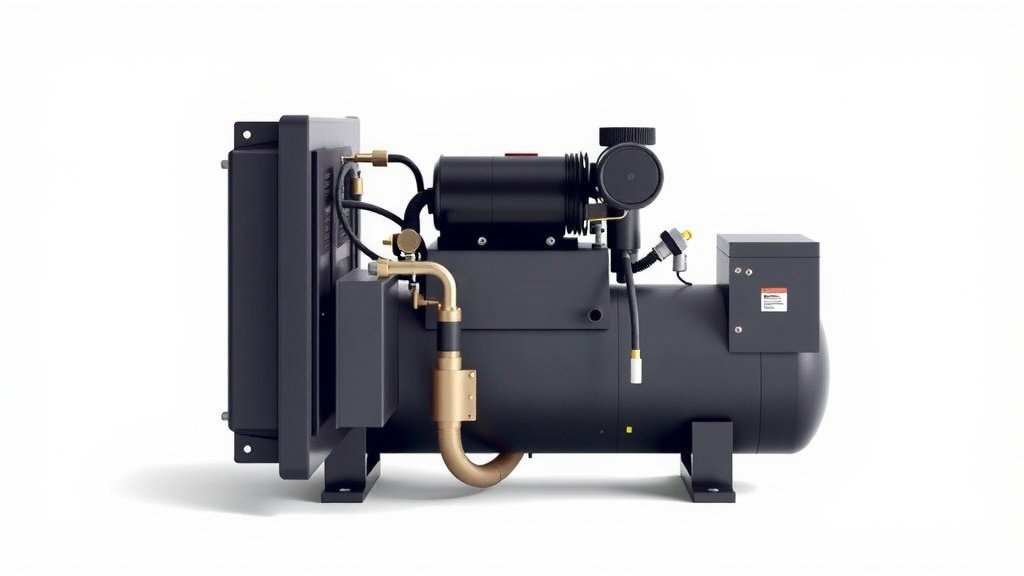
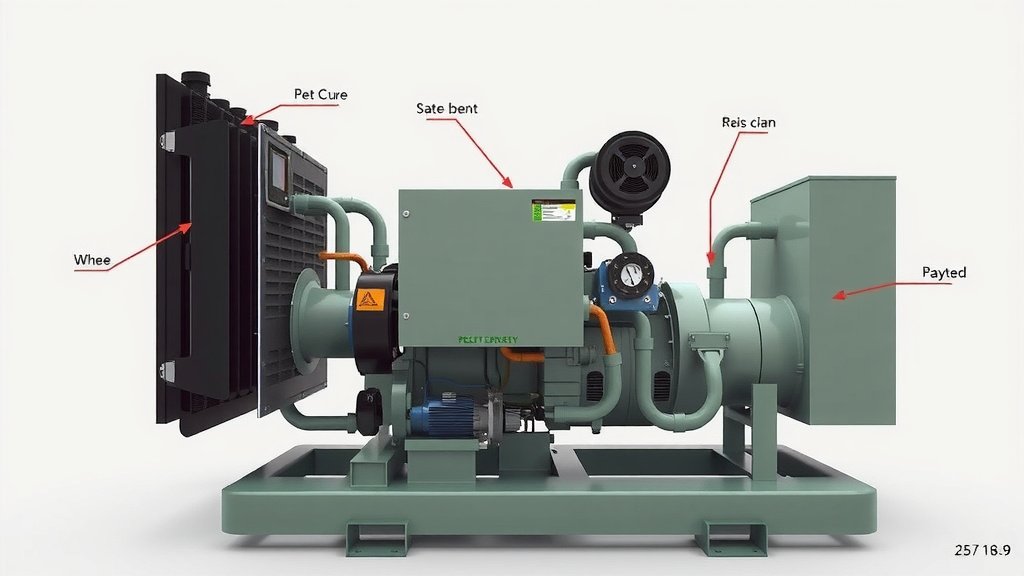
At its heart, a reciprocating compressor has a few key parts working together. You have the cylinder, which is like the main chamber. Inside that is the piston, which moves up and down. Connected to the piston is the connecting rod, and this rod is attached to a crankshaft. The crankshaft is what spins, making the piston move.
The Piston’s Powerful Push: Compression Explained
The magic happens in the piston’s movement. When the piston moves down, it creates a partial vacuum. This vacuum pulls air into the cylinder through an intake valve. Then, as the crankshaft continues to spin, the piston moves back up. This upward stroke squeezes the air trapped in the cylinder. The air gets compressed into a smaller volume.
Step 1: The Intake Stroke
Imagine the piston starting at the top of the cylinder. As it begins to move downward, the space above it increases. This creates lower pressure inside the cylinder compared to the outside air. When the intake valve opens, the higher atmospheric pressure outside pushes air into the cylinder. This is called the intake stroke. The intake valve then closes as the piston reaches the bottom.
Step 2: The Compression Stroke
Now, the piston starts moving upward. With both the intake and exhaust valves closed, there’s nowhere for the air to go. The upward motion of the piston forces the air into a much smaller space. This action increases the air’s pressure and temperature. Research shows that compressing air increases its energy level (NCBI).
Step 3: The Discharge Stroke
As the piston reaches the top again, the compressed air needs an exit. The exhaust valve opens at this point. The upward-moving piston pushes the high-pressure air out of the cylinder through this valve. This is the discharge stroke. The compressed air then flows into a storage tank, ready for use. Once the piston is at the top, the cycle repeats.
Single-Stage vs. Two-Stage Compression
Reciprocating compressors can come in different configurations. The simplest is a single-stage compressor. This means the air is compressed just once, from atmospheric pressure to its final pressure, all in one cylinder. These are generally found in smaller units for home or light-duty use. They are a cost-effective choice.
For higher pressures or more demanding jobs, you might find a two-stage compressor. In this setup, the air is compressed in two steps. First, it’s compressed by one piston in a smaller cylinder. Then, it’s sent to a second, larger cylinder where it’s compressed again. This two-step process creates even higher pressures and is more efficient for heavy-duty applications.
The Role of Valves in the Process
You can’t talk about reciprocating compressors without mentioning the valves. They are like the doors that control the flow of air. There’s an intake valve and an exhaust valve. These valves are typically spring-loaded or poppet valves. They open and close automatically based on the pressure changes within the cylinder. Their precise timing is essential for efficient operation.
Storage and Delivery of Compressed Air
Once the air is compressed, it’s not immediately used by your tools. It first goes into a storage tank, often called a receiver. This tank acts as a buffer. It stores the compressed air and helps to smooth out any pulsations from the compressor. The tank also allows the air to cool down slightly. From the tank, the compressed air is delivered through hoses to your pneumatic tools. The compressed air then flows through hoses to your pneumatic tools; learn about the right hose size for your tools.
Key Features to Look For
When you’re considering a reciprocating air compressor, a few things stand out. Look for units with durable construction, often made from cast iron, which helps with longevity and heat dissipation. The duty cycle is also important; it tells you how long the compressor can run versus how long it needs to rest. For continuous use, you’ll want a higher duty cycle.
Maintenance for Longevity
Keeping your reciprocating compressor in good shape is pretty straightforward. Regular oil changes are vital, just like in a car. You also need to drain the moisture from the storage tank. This prevents rust and corrosion. Checking the air filters and belts periodically will also ensure it runs smoothly. Many manuals suggest draining the tank daily if used often.
A Quick Checklist for Understanding the Cycle
- The piston moves down, creating a vacuum.
- Air is pulled into the cylinder through the intake valve.
- The piston moves up, squeezing the air.
- The compressed air is pushed out through the exhaust valve.
- The air is stored in a tank for later use.
- This cycle repeats to maintain pressure.
| Feature | Single-Stage | Two-Stage |
|---|---|---|
| Compression Levels | One | Two |
| Typical Pressure Output | Lower (e.g., up to 125 PSI) | Higher (e.g., up to 175 PSI) |
| Ideal Use Cases | Home, DIY, light-duty tools | Professional, industrial, heavy-duty tools |
| Efficiency | Less efficient at high pressures | More efficient at high pressures |
| Cost | Generally lower | Generally higher |
Conclusion
You’ve now seen how a reciprocating air compressor uses a simple piston and cylinder to create compressed air. This reliable design, whether single-stage or two-stage, powers a wide range of tools. By understanding the intake, compression, and discharge strokes, you can better appreciate its function. Proper maintenance, like regular oil changes and draining the tank, will ensure your compressor lasts for years. With this knowledge, you’re ready to select and care for your next air compressor with confidence.
Frequently Asked Questions
How often should I drain the air compressor tank?
For optimal performance and to prevent rust, you should drain the moisture from your air compressor tank daily if you use it regularly. This process removes condensation that builds up inside the tank. Simply open the drain valve at the bottom of the tank for a few seconds.
What’s the main difference between single-stage and two-stage compressors?
A single-stage compressor compresses air once to its final pressure, making it suitable for lighter tasks. A two-stage compressor compresses air in two steps, achieving higher pressures and greater efficiency for more demanding professional use.
Can I use any type of oil in my reciprocating compressor?
No, it’s important to use the specific type of oil recommended by the manufacturer. Using the wrong oil can lead to poor lubrication, overheating, and damage to the compressor’s internal components. Check your owner’s manual for the correct oil specifications.
Why does the air get hot when it’s compressed?
When air is squeezed into a smaller volume, its molecules move faster and collide more frequently. This increased molecular activity converts into heat energy, causing the air temperature to rise. This is a fundamental principle of gas compression.
What happens if the valves in the compressor fail?
If the intake or exhaust valves malfunction, your compressor won’t work efficiently or at all. A faulty intake valve might prevent air from entering the cylinder, while a faulty exhaust valve could let compressed air escape prematurely. This will result in low or no air pressure output.