Single vs Two Stage Air Compressor: Which Is Right For You
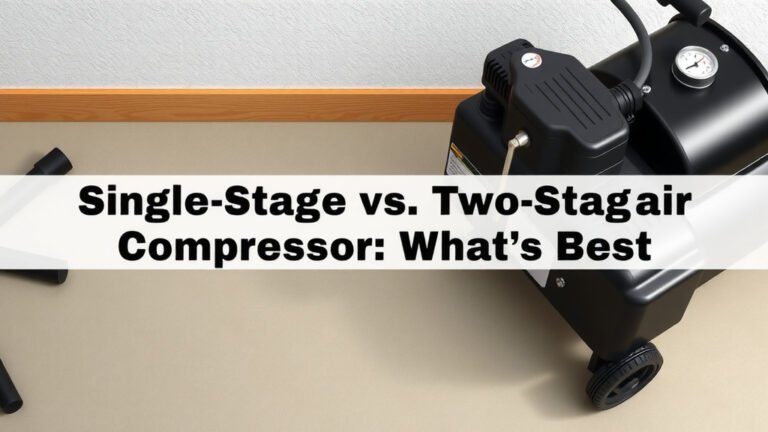
When deciding between a single-stage and a two-stage air compressor, the key difference lies in how they handle compression and their suitability for different tasks. For lighter, intermittent jobs, a single-stage compressor is usually sufficient. If your work demands a consistent high-pressure air supply for demanding tools, a two-stage compressor is likely your better bet.
Choosing the right compressor type can make a big difference in your workshop’s efficiency. A single-stage compressor is simpler and often less expensive. A two-stage compressor offers more power and efficiency for continuous use. Many folks find the upfront cost of a two-stage unit pays off with better performance for their needs.
- Single-stage compressors are best for light-duty tasks.
- Two-stage compressors excel at heavy-duty, continuous air needs.
- Consider your tools and how often you’ll use them.
- Two-stage models offer higher pressure and better efficiency.
Let’s break down the ins and outs of single-stage versus two-stage air compressors so you can pick the perfect one for your projects.
Understanding the Difference: Single-Stage vs. Two-Stage Air Compressors
So, you’re trying to figure out which air compressor is the right fit for your workshop. It really comes down to how the compressor compresses air and what you plan to do with it. Think of it like choosing between a bicycle and a sports car – both get you places, but for very different kinds of trips. Let’s dive into the nuts and bolts!
How Single-Stage Compressors Work
A single-stage air compressor is like your friendly neighborhood workhorse. It’s pretty straightforward. The piston moves up and down, compressing the air just one time. This compressed air is then sent directly into the storage tank. It’s a simple, effective design for many common tasks.
The Basics of Single-Stage Compression
Imagine squeezing a balloon. You push down, and the air inside gets smaller. A single-stage compressor does something similar, but with a piston inside a cylinder. It takes ambient air and pushes it into a smaller volume. This process raises the air pressure, and then it’s ready to go into your tank.
When to Choose a Single-Stage Compressor
These compressors are fantastic for tasks that don’t need a constant, high-pressure air supply. If you’re mostly using air tools for occasional projects, a single-stage model is likely all you need. Think about these common uses:
- Inflating tires on your car or bicycle.
- Running smaller brad nailers or staplers for DIY projects.
- Light-duty air brushing.
- Blowing dust off surfaces.
They are often more affordable upfront and simpler to maintain, which is a big plus for many home mechanics and DIYers.
How Two-Stage Compressors Work
Now, let’s talk about the two-stage compressor. This is where things get a bit more powerful and efficient, especially for continuous work. A two-stage compressor compresses the air twice. This means it can achieve higher pressures more effectively and consistently.
The Two-Step Compression Process
Here’s how that double compression happens. The first stage compresses the air to an intermediate pressure. Then, this partially compressed air is sent to a second cylinder, where it’s compressed again to reach its final, higher pressure. This two-step process is much more efficient at generating high-pressure air.
Think of it like this: if you need to get a lot of people into a small room, doing it in two waves is easier than trying to shove everyone in at once. The first wave gets them partially in, and the second wave finishes the job, resulting in a fuller room with less frantic pushing.
When a Two-Stage Compressor Shines
If your work involves tools that gobble up a lot of air, or if you need a steady stream of air for extended periods, a two-stage compressor is your champion. These are built for more demanding applications:
- Running impact wrenches for automotive repair.
- Operating sanders or grinders continuously.
- Powering spray guns for painting large areas.
- Using pneumatic tools that require consistent high pressure.
Many experts agree that for professional or serious hobbyist use, the added power and efficiency of a two-stage unit often justify the higher initial cost.
Key Differences Summarized
To make it super clear, let’s break down the main distinctions in a simple chart. This should help you visualize where each type fits best.
| Feature | Single-Stage Compressor | Two-Stage Compressor |
|---|---|---|
| Compression Cycles | One | Two |
| Typical Pressure Output | Lower (up to 135 PSI) | Higher (often 175 PSI or more) |
| Airflow (CFM) | Generally lower | Generally higher |
| Duty Cycle | Intermittent use is best | Continuous use is ideal |
| Best For | Light-duty tasks, DIY projects | Heavy-duty, professional use |
| Cost | Lower initial cost | Higher initial cost |
| Efficiency | Less efficient for high demand | More efficient for high demand |
Pressure and Airflow: What They Mean for You
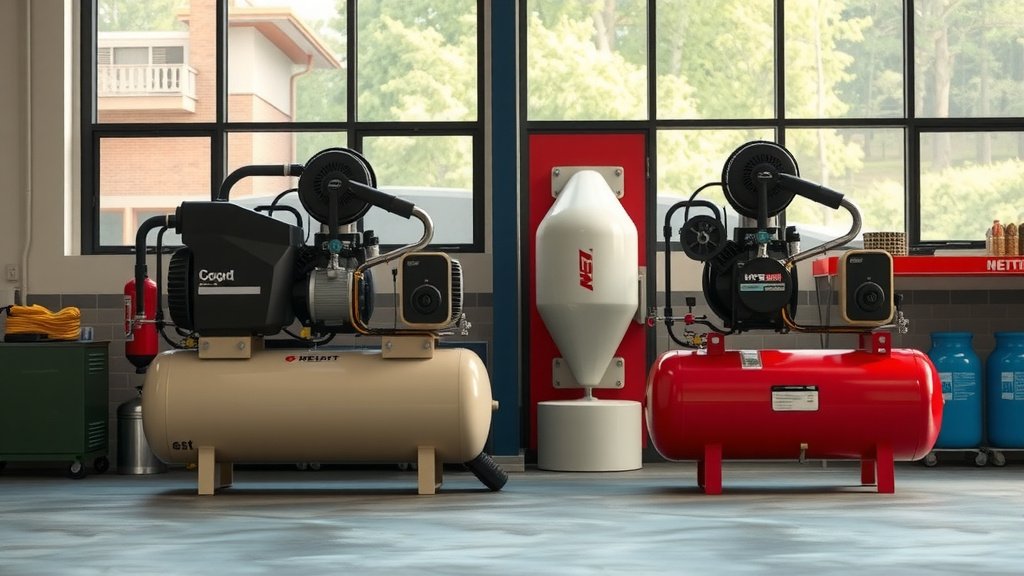
You’ll often see ratings like PSI (pounds per square inch) for pressure and CFM (cubic feet per minute) for airflow. A single-stage compressor usually maxes out around 135 PSI. Two-stage models can easily hit 175 PSI or higher. For tools that need a strong, steady blast of air, like an impact wrench, higher PSI is essential.
CFM tells you how much air the compressor can deliver over time. If your tool requires a lot of air to operate effectively, you’ll need a compressor with a higher CFM rating. Running a high-CFM tool on a low-CFM compressor means the tool won’t perform as it should, and the compressor will be overworked. Many automotive experts recommend CFM ratings based on specific tool requirements (National Automotive Technicians Education Foundation).
Considering Your Tools and Needs
The most important step in choosing is to look at the air tools you already own or plan to buy. Check their required PSI and CFM ratings. This is your best guide to picking the right compressor type and size.
Matching the Compressor to Your Workflow
Are you a weekend warrior who tinkers in the garage occasionally? A single-stage compressor might be perfectly fine for inflating tires or firing a few nails. But if you’re a professional mechanic, a dedicated woodworker, or someone who uses air tools daily for extended periods, the consistent power of a two-stage unit is a smart investment. Think about how often your compressor will run and for how long.
Efficiency and Longevity
While a two-stage compressor costs more upfront, it often proves more economical in the long run. Its design is more efficient, meaning it uses energy better to produce high pressure. This can lead to lower electricity bills. Also, by operating more efficiently and with less strain, a two-stage compressor is generally built for a longer lifespan, especially under heavy use.
Making the Final Decision: A Quick Checklist
To help you summarize and make your choice, consider these points:
- What specific air tools will you be using?
- What are the PSI and CFM requirements for those tools?
- How frequently will you use your air compressor?
- For how long will you typically run the compressor at one time?
- What is your budget for the compressor and any necessary accessories?
- Do you prioritize initial cost or long-term efficiency and durability?
By answering these questions honestly, you’ll be well on your way to selecting the air compressor that will best serve your projects for years to come.
Conclusion
You’ve learned that the core difference between single-stage and two-stage air compressors boils down to their compression process and intended use. Single-stage models are your go-to for lighter, intermittent tasks like inflating tires or powering small nail guns. For demanding jobs requiring a constant, high-pressure air supply, such as running impact wrenches or sanders, a two-stage compressor is the more efficient and robust choice. By carefully assessing your specific tools and workflow, you can confidently select the compressor that best fits your needs and budget, ensuring optimal performance for your projects.
Frequently Asked Questions
Can I use a single-stage compressor for painting?
For light touch-ups or very small projects, a single-stage might suffice. However, most spray painting requires a consistent airflow and higher pressure that a two-stage compressor is better equipped to provide. You might find a single-stage compressor struggles to keep up and leads to inconsistent paint application.
How do I know if I need more CFM?
Check the CFM (cubic feet per minute) rating of your air tools. If your tool’s requirement is higher than your compressor’s output, you need more CFM. Running a tool on an undersized compressor will lead to poor performance and can cause premature wear on the compressor.
Will a two-stage compressor be too much for simple tasks?
While a two-stage compressor can handle simple tasks, it’s often overkill. You might be paying more upfront for power you don’t need. If your primary use is inflating tires or occasional brad nailing, a single-stage compressor is usually a more cost-effective solution.
Are two-stage compressors louder than single-stage?
Generally, two-stage compressors are built for heavy-duty use and may be louder due to their more powerful motors and robust construction. However, noise levels can vary significantly based on the brand, model, and specific design of the compressor.
What is the lifespan difference between single-stage and two-stage compressors?
Two-stage compressors are typically designed for continuous, heavy-duty use and often have a longer lifespan when used appropriately. Single-stage compressors are best suited for intermittent use, and their longevity will depend on not being consistently overworked.