How an Air Compressor Unloader Valve Works
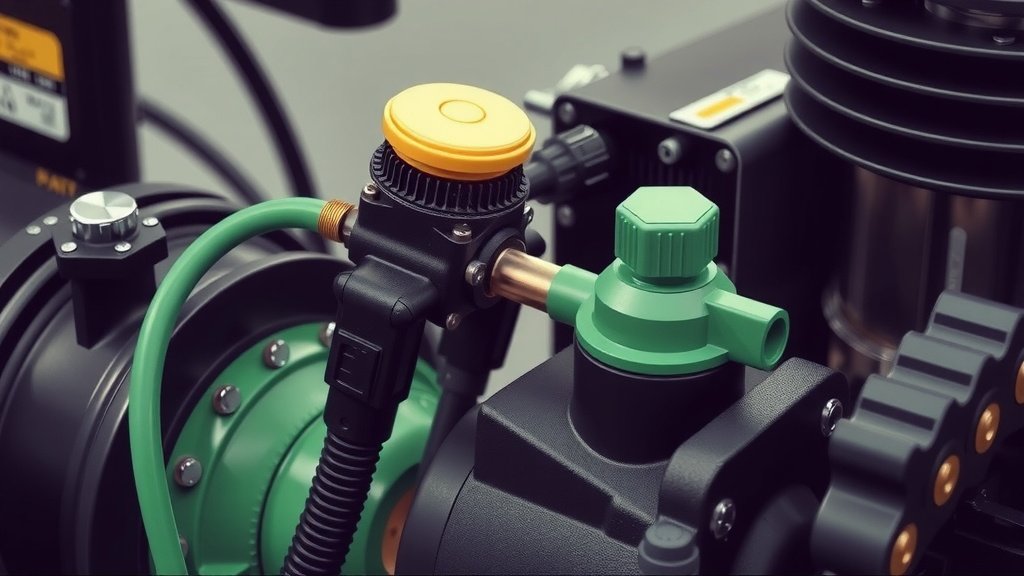
An air compressor unloader valve works by relieving pressure in the pump and discharge line when the compressor shuts off. This prevents the motor from struggling to restart against a pressurized system. It’s a key component for efficient compressor operation and motor longevity.
Think of it like easing a heavy door shut. If you slam it, it’s a shock to the hinges. The unloader valve does the opposite, making the compressor’s stop and start cycles smooth and less demanding. This protects the motor and the pump from unnecessary strain.
- An unloader valve releases air pressure when the compressor stops.
- This protects the motor from struggling to restart.
- It ensures a smoother, less demanding stop and start cycle.
- This component is vital for compressor efficiency and longevity.
Let’s walk through exactly how this important part keeps your air compressor running smoothly.
Understanding Your Air Compressor’s Unloader Valve
You’re probably wondering how that air compressor knows when to stop its noisy hustle. The unloader valve is the quiet hero behind that decision. It essentially tells the motor when to take a break. Without it, your compressor motor would face a tough restart every single time. Let’s break down this important part.
How the Air Compressor Unloader Valve Works
An air compressor unloader valve releases pressure from the pump and discharge line when the compressor shuts off. This is critical for preventing the motor from having to start under a heavy load. Think of it like this: imagine trying to push a car that’s already rolling downhill versus one that’s stopped. The stopped car is much harder to get moving, right? The unloader valve prevents your compressor motor from facing that “stopped car” scenario.
The Pressure Relief Mechanism
When your compressor reaches its set pressure limit, a switch tells the motor to stop. At this exact moment, the unloader valve opens a small port. This port connects the pump’s discharge line to the atmosphere. Air that was trapped in the line and pump can now escape. This quick pressure release is key to the whole operation.
Why Pressure Release Matters
Without the unloader valve, the compressed air in the tank and discharge line would remain under pressure. When the motor tried to start again, it would be pushing against that built-up pressure. This strains the motor and can lead to overheating or even damage over time. Many experts state that this strain is a primary cause of premature motor failure in compressors (National Electrical Manufacturers Association).
The Role of the Check Valve
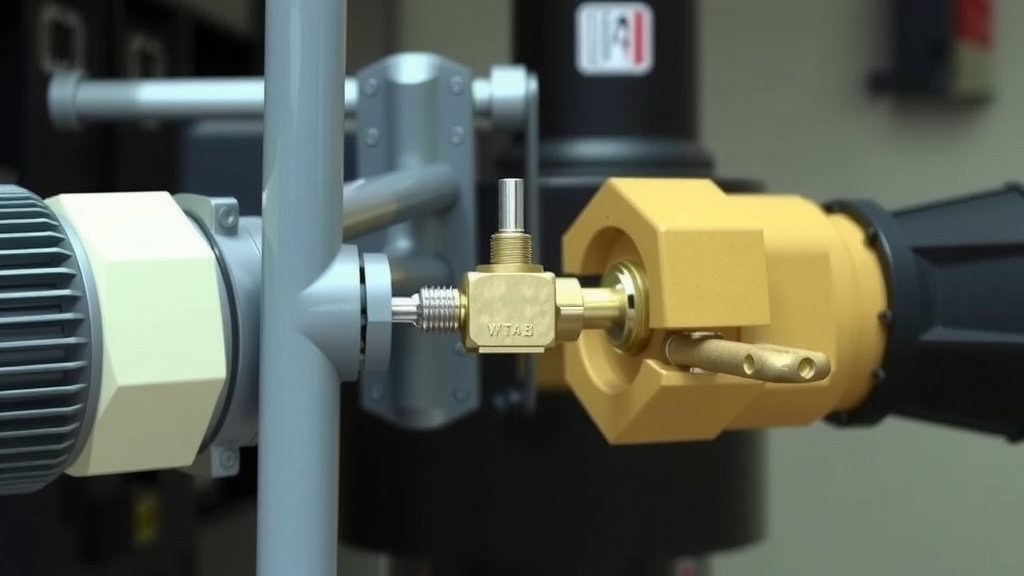
You’ll often find the unloader valve working in conjunction with a check valve. The check valve is like a one-way gate. It allows air to flow from the pump into the storage tank but prevents air from flowing back from the tank into the pump. When the unloader valve opens, it bypasses the check valve and vents the pressure from the pump side. This ensures that only the pump’s output is relieved, not the entire tank pressure.
Types of Unloader Valves
There are a few common designs, but they all perform the same basic function. You might encounter mechanical unloaders that use a spring and diaphragm. There are also pilot-operated unloaders, which use a small amount of the main air pressure to help open or close the valve. Some electric compressors use solenoid valves, which are electronically controlled.
| Type | How it Works | Best For |
|---|---|---|
| Mechanical | Uses spring tension and air pressure on a diaphragm. | Smaller, simpler compressors. |
| Pilot-Operated | Uses the main air pressure to assist in valve operation. | Medium to large compressors, more consistent operation. |
| Solenoid (Electric) | Electrically controlled valve. | Automated systems and larger industrial units. |
The Unloader Valve and Your Compressor’s Lifespan
This little valve plays a big role in longevity. By reducing the starting load on your motor, it means less wear and tear. Think of it as giving your compressor a gentle start rather than a harsh jolt. Research shows that reducing start-up stress can significantly extend the life of electrical motors (Institute of Electrical and Electronics Engineers).
Saving Energy
While its primary job is protection, the unloader valve also contributes to efficiency. When the compressor stops, it’s not holding pressure that it will immediately have to rebuild. This can lead to slightly lower energy consumption over time because the motor doesn’t have to work as hard to restart. It’s a small but effective way your compressor stays economical to run.
When Things Go Wrong
What happens if your unloader valve isn’t working correctly? If it fails to open, you’ll notice the motor struggling to start, or perhaps not starting at all. You might also hear a loud “thump” or “bang” as it tries to overcome the pressure. On the flip side, if it fails to close properly, air might continuously leak out, preventing your compressor from reaching its full pressure. This can lead to the compressor running constantly, which is also inefficient and hard on the motor.
Troubleshooting Common Issues
Often, issues with unloader valves are due to dirt or debris getting lodged in the mechanism. Sometimes, a worn-out spring or diaphragm can be the culprit. We found that regular maintenance, like cleaning the valve assembly during other service intervals, can prevent many of these problems. Checking for air leaks is also a good first step if you suspect an unloader valve issue.
A Quick Checklist for Your Unloader Valve
To keep your unloader valve in good working order, consider these simple checks:
- Listen for unusual noises during startup.
- Ensure the compressor reaches its shut-off pressure.
- Check for any persistent air leaks.
- Inspect the valve for visible damage or debris.
- Follow your manual’s maintenance schedule.
Conclusion
You’ve learned how your air compressor’s unloader valve is a small but mighty component. It’s the key player that ensures your motor starts smoothly by releasing pressure after shutdown. This simple mechanism prevents strain, extends the life of your motor, and contributes to overall efficiency. By understanding its function, you can better troubleshoot issues and perform basic maintenance.
Keep an ear out for unusual sounds during startup and check for leaks. Following your compressor’s maintenance schedule is the best way to ensure this vital valve continues to protect your equipment. Taking these steps will help your air compressor run reliably for years to come.
Frequently Asked Questions
What happens if my air compressor unloader valve fails to open?
If your unloader valve doesn’t open, the motor will have to start against the built-up pressure in the system. This can cause the motor to struggle, hum without turning, or even fail to start altogether. You might also hear a loud popping or banging sound as it attempts to overcome the resistance.
Can a dirty unloader valve cause my compressor to run constantly?
Yes, a dirty or stuck unloader valve that fails to close properly can cause a continuous air leak from the pump head. This leak prevents the compressor from reaching its cut-off pressure, leading to the motor running continuously. This constant operation is inefficient and can lead to premature wear and overheating.
How often should I service my unloader valve?
While there’s no single answer, we found that cleaning the unloader valve assembly during your compressor’s regular maintenance intervals is a good practice. Many manuals suggest checking and cleaning it annually or after a certain number of operating hours. Inspecting it for debris or wear whenever you service other parts is also wise.
What’s the difference between an unloader valve and a check valve?
A check valve acts as a one-way gate, allowing air into the tank but preventing it from flowing back into the pump. The unloader valve works with the check valve; when the compressor stops, the unloader briefly opens a port to vent pressure from the pump and discharge line, bypassing the check valve so the motor doesn’t restart under load.
Are unloader valves universal for all air compressors?
No, unloader valves are not universal. They vary in design and pressure ratings depending on the type and size of the air compressor. While they all perform the same core function of pressure relief, you’ll need to ensure any replacement matches your specific compressor model and its pressure requirements.