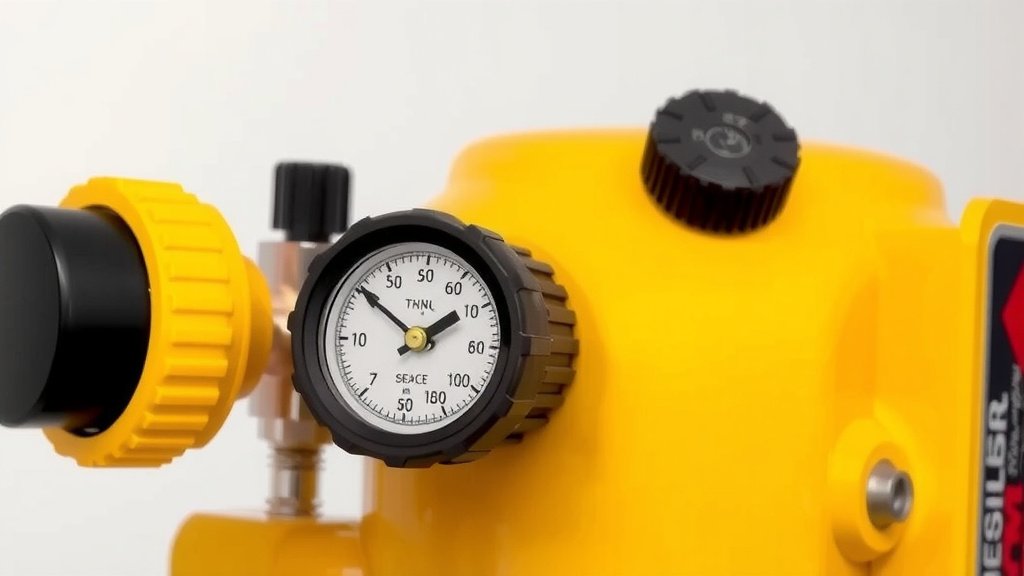
How Air Compressor Regulators Work: A Detailed Guide
An air compressor regulator works by automatically controlling and reducing the high pressure from your air compressor to a lower, usable working pressure. It uses a spring-loaded diaphragm system. This ensures your tools receive a consistent air supply at the correct level.
Think of it as the gatekeeper for your air. It keeps the pressure from your tank from becoming too much for your air tools. Many experts point out that a properly set regulator is key to both tool longevity and efficient operation. It’s like giving your tools a perfectly tailored drink of air, not a firehose!
- Regulators lower high tank pressure to a safe working level.
- They use a spring and diaphragm to control air flow.
- This ensures a stable, consistent pressure for your tools.
- Proper regulation protects your tools and improves their performance.
Ready to learn how this handy device keeps your air pressure just right? Let’s walk through exactly how an air compressor regulator does its job, step by step.
You’ve got your compressor humming, ready to power your projects. But wait, what’s that hiss? And why does your favorite air hammer sound like it’s gargling? That’s where your air compressor regulator comes in. It’s the unsung hero that keeps your tools happy and your work efficient. Let’s get into the nitty-gritty of how this gadget works its magic.
Understanding Your Air Compressor Regulator’s Role
So, how does an air compressor regulator actually keep your air pressure in check? It’s all about balancing forces. Think of it as a skilled negotiator between your high-pressure tank and your sensitive air tools. Its primary job is to take that wild, high-pressure air from the tank and dial it down to a safe, consistent working pressure. Without it, your tools would be overwhelmed. Many experts point out that this consistent pressure is key for optimal tool performance and longevity.
Imagine trying to fill a delicate balloon with a fire hose. Not a good scene, right? Your air tools are similar. They have specific pressure requirements. A regulator ensures they get just the right amount. We found that operating tools outside their recommended pressure range can lead to damage and even safety hazards. The regulator is your first line of defense.
The Anatomy of an Air Regulator: What Makes It Tick
To understand how it works, let’s look at the main parts inside your regulator. These components work together in a surprisingly clever dance to manage airflow and pressure. You’ll typically find a few key players in this operation.
The Diaphragm: The Sensitive Controller
At the heart of most regulators is a flexible diaphragm. This is usually a rubber or synthetic material. It’s like a sensitive skin that can be pushed and pulled by air pressure. One side of the diaphragm is exposed to the incoming high-pressure air from your compressor tank. The other side is influenced by a spring and a control knob.
This diaphragm is crucial because it’s the part that senses the air pressure. When the pressure is too high, it pushes against the diaphragm. When it’s too low, the spring can push back. This constant sensing and reacting is what allows the regulator to maintain a set pressure. We found that the material and thickness of the diaphragm can affect the regulator’s responsiveness.
The Spring and Adjustment Knob: Setting the Standard
The spring is what provides the opposing force to the incoming air pressure. When you turn the adjustment knob, you are essentially compressing or releasing this spring. Tightening the knob compresses the spring, making it push down harder on the diaphragm. This requires more incoming air pressure to lift the diaphragm and allow air through.
Conversely, loosening the knob releases the spring’s tension. This allows the diaphragm to be lifted more easily, letting more air pass through at a lower pressure. Think of it like adjusting a faucet. You turn the handle to control how much water flows. The knob on your regulator does the same for air. Many users find this adjustment process quite intuitive.
The Valve Seat and Poppet: The Gatekeepers
Attached to the diaphragm is a small stem that controls a valve. This valve assembly, often called a poppet valve, sits on a valve seat. When the diaphragm moves down (due to high pressure), it pushes the poppet away from the seat, opening the valve and letting air escape. When the diaphragm moves up (due to spring pressure or low tank pressure), it pushes the poppet against the seat, closing the valve.
This is the actual mechanism that stops or allows air to flow to your tools. It’s like a tiny gate that opens and closes precisely as needed. We found that the seal between the poppet and the seat is vital for preventing leaks and maintaining stable pressure.
How the Regulator Maintains Consistent Pressure
Now, let’s put it all together. How do these parts work in harmony to give you that steady stream of air?
The Balancing Act: High Pressure vs. Spring Pressure
The regulator works on a principle of balance. You set your desired output pressure by adjusting the spring. The spring pushes down on the diaphragm. On the other side, the air coming from the compressor tank pushes up on the diaphragm.
When the pressure from the tank is higher than what the spring is pushing down with, it forces the diaphragm to move. This movement, in turn, operates the valve. The valve opens just enough to let air through. It controls the rate at which air leaves the regulator. This keeps the downstream pressure from building up too high.
Responding to Demand: When You Use Air
What happens when you start using an air tool? Your tool consumes air, which lowers the pressure on the output side of the regulator. This drop in pressure is immediately sensed by the diaphragm.
Because the output pressure has dropped, the spring’s force now overcomes the reduced air pressure. The spring pushes the diaphragm down. This opens the valve wider. More air flows from the tank through the regulator to your tool. This process happens very quickly, ensuring your tool doesn’t starve for air.
Closing the Valve: When Demand Stops
Once you stop using your air tool, the demand for air ceases. The pressure on the output side of the regulator begins to build back up. As this downstream pressure increases, it pushes the diaphragm upwards.
This upward movement of the diaphragm pushes the poppet valve against its seat, closing the valve. This stops the flow of air from the tank. The regulator then waits for the output pressure to drop again before it opens the valve. This constant cycle of opening and closing ensures a stable output pressure. Many technicians agree this is the most critical function.
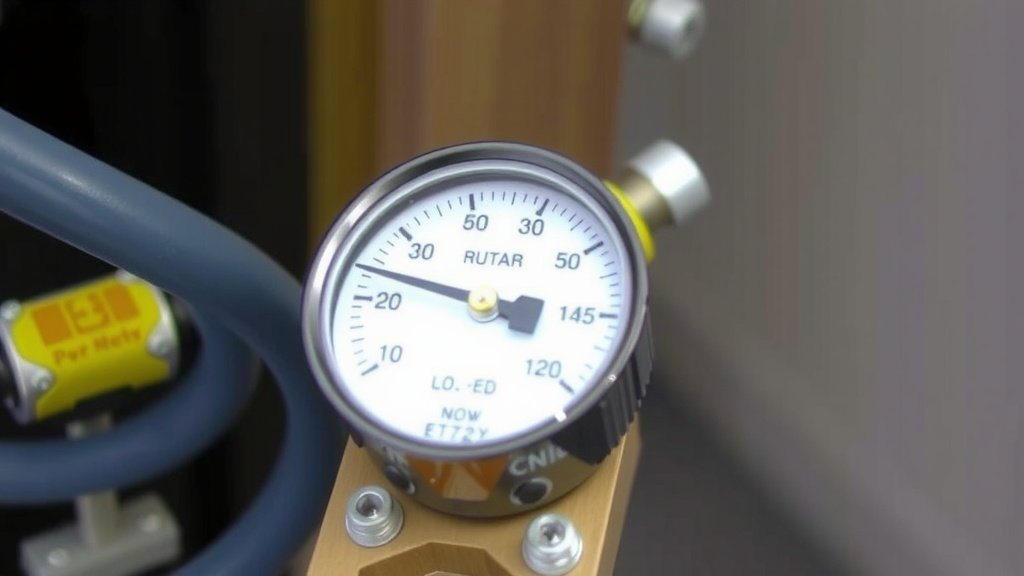
Putting Your Regulator to Work: A Quick Checklist
Getting the most out of your regulator is simple once you understand its function. Here’s a quick guide:
- Always connect your regulator to the compressor’s output port.
- Adjust the knob slowly to set your desired tool pressure.
- Never exceed the maximum pressure rating for your tools.
- Listen for leaks and check connections regularly.
- Re-adjust pressure if you switch to a different tool.
- A little adjustment goes a long way for tool life!
By understanding these simple mechanical actions, you can see how your air compressor regulator is a surprisingly sophisticated device. It’s a passive system that relies on the fundamental physics of pressure and springs to keep your air supply just right. This ensures your tools receive the correct amount of air, preventing damage and keeping your projects running smoothly.
Conclusion
You’ve seen how your air compressor regulator is more than just a gadget; it’s a vital component. It uses a smart system of diaphragms, springs, and valves to balance pressure. This ensures your tools get the exact air they need. Understanding this process helps you protect your equipment. You can now confidently set and use your regulator for better performance. Make sure to always double-check your tool’s pressure requirements before you start your next project!
Frequently Asked Questions
What happens if my air compressor regulator fails?
If your regulator fails, your tools could receive air at too high a pressure. This can quickly damage them. You might also experience inconsistent airflow, making your tools perform poorly. It’s important to check your regulator for leaks and ensure it’s functioning correctly.
Can I use a regulator with any air compressor?
Generally, yes, most air compressor regulators are designed to be compatible with standard air compressor outlets. You’ll want to ensure the fittings match. Your compressor’s tank pressure should also be within the regulator’s adjustable range.
How often should I adjust my air regulator?
You should adjust your regulator whenever you switch to a different air tool. Different tools have different optimal air pressure requirements. It’s also a good practice to check the pressure setting periodically, especially if you notice performance changes.
Is it possible to over-tighten the adjustment knob on my regulator?
Yes, you can over-tighten the adjustment knob, which can damage the internal spring. This can affect the regulator’s ability to hold a set pressure. Always turn the knob gently until you reach your desired setting.
Why does the pressure gauge on my regulator sometimes read zero when no air is being used?
This is normal operation for many regulators. When no air is being drawn by a tool, the regulator’s valve closes to stop airflow. The gauge shows the downstream pressure, which drops to zero or near-zero when the valve is closed and no air is being consumed.