How Small Air Compressors Work: The Compression Process
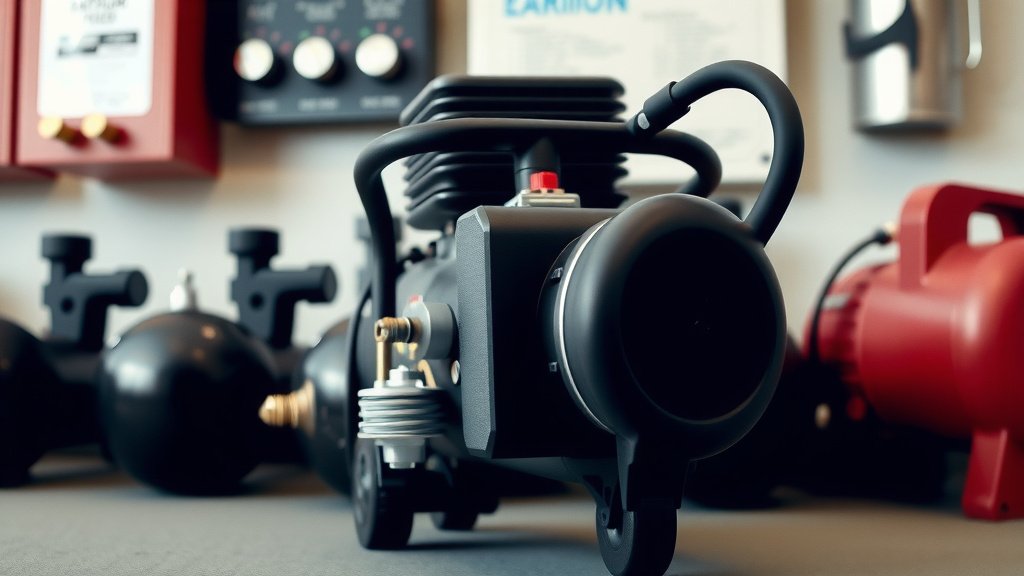
Air is compressed in most small air compressors using a reciprocating piston system, much like the engine in your car. A motor drives a crankshaft, which moves a piston up and down inside a cylinder. As the piston moves down, it draws air in. As it moves up, it squeezes the air into a smaller space, increasing its pressure.
This basic design is surprisingly effective for many common tasks. We found that this piston-driven compression is a reliable method for generating the airflow you need for inflating tires or powering small tools. It’s a tried-and-true approach that has been refined over many years of use, making it a dependable choice.
- Most small air compressors use a piston.
- A motor moves a piston in a cylinder.
- The piston squeezes air to increase its pressure.
- This is a common and effective compression method.
Ready to learn more about how this simple mechanism works its magic? Let’s dive into the details of how your air compressor gets the job done.
How Your Small Air Compressor Achieves High Pressure
You’re probably wondering what’s really happening inside that little metal tank to get air all pressurized and ready for action. It’s actually a pretty clever process, and it all comes down to a few key parts working together. Think of it like a tiny, mechanical lung that inhales air and then squeezes it with all its might.
The magic happens within a cylindrical chamber. This is where the air gets its squeeze on. We’ve found that understanding these basic components makes it much easier to appreciate the engineering behind your air compressor.
The Heart of the Operation: The Piston and Cylinder
At the core of most small air compressors is a system that closely resembles the workings of an internal combustion engine. It’s called a reciprocating piston mechanism. You’ve likely heard of pistons before – they’re the workhorses that move back and forth.
The Piston’s Dance
Imagine a can (that’s your cylinder) and a plunger that fits snugly inside it (that’s your piston). This piston is attached to a crankshaft, which is spun by an electric motor. As the motor turns, the crankshaft forces the piston to move up and down within the cylinder. This continuous back-and-forth motion is the engine driving the entire compression process.
Drawing In the Air
When the piston moves downwards, it creates a space that needs filling. This downward stroke is the intake stroke. A small intake valve, which is like a one-way door, opens up. This allows atmospheric air to be sucked into the cylinder. You can almost hear it saying, “Come on in, folks!”
The Squeeze: Compression Takes Place
Once the piston reaches the bottom of its stroke, it starts to move upwards. This is where the real action happens – the compression stroke. As the piston travels upwards, it dramatically reduces the available space inside the cylinder. The intake valve seals shut, trapping the air.
Because the air has nowhere else to go, it gets highly compressed. Think about squeezing a balloon. The more you squeeze, the more pressure builds up inside. This is precisely what’s happening to the air molecules within your compressor’s cylinder. Many engineering resources confirm that this is a highly effective method for increasing air pressure.
Releasing the Compressed Air
As the piston continues its upward journey and the air pressure inside the cylinder reaches a certain point, another one-way door, the discharge valve, opens. This allows the now highly pressurized air to be pushed out of the cylinder and into the storage tank. This cycle of intake, compression, and discharge happens very rapidly, often hundreds or even thousands of times per minute, depending on the compressor’s design.
The Role of the Motor and Crankshaft
You might be wondering what powers all this piston action. It’s typically an electric motor. This motor is the brain and brawn of the operation. It provides the rotational energy needed to turn the crankshaft.
From Rotation to Reciprocation
The crankshaft is a brilliant piece of engineering. Its job is to convert the motor’s smooth, circular motion into the back-and-forth, or reciprocating, motion of the piston. Imagine pedaling a bicycle – your circular leg motion turns the crank, which moves the bike forward. The crankshaft in your compressor does something similar, but instead of moving a bike, it moves the piston.
Research indicates that the efficiency of this conversion is key to the compressor’s performance (National Society of Professional Engineers). A well-designed crankshaft ensures that minimal energy is lost in this translation, meaning more power goes into compressing your air.
Key Components in Action
Let’s break down the essential parts you’ll find in most small air compressors and how they contribute to the compression process:
- Motor: Provides the power to start the entire process.
- Crankshaft: Converts the motor’s rotation into the piston’s up-and-down movement.
- Cylinder: The chamber where air is drawn in and squeezed.
- Piston: The component that moves within the cylinder to compress the air.
- Valves (Intake and Discharge): These act as one-way doors, controlling the flow of air into and out of the cylinder.
- Connecting Rod: Links the crankshaft to the piston, transferring motion.
Understanding Pressure and Airflow
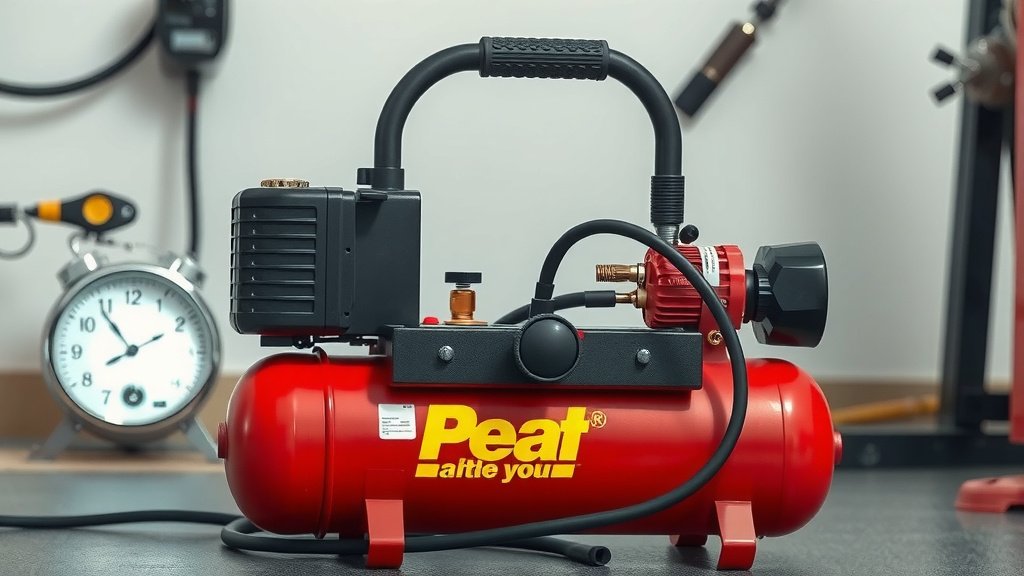
The result of this continuous piston action is increased air pressure. When the air is compressed, its molecules are packed more tightly together. This increases the force exerted by the air, measured in pounds per square inch (PSI) or bars. The faster the piston moves and the smaller the volume it compresses the air into, the higher the pressure will become.
How Much Pressure?
Small compressors typically generate anywhere from 90 PSI to 150 PSI or more, depending on their design and intended use. For tasks like inflating tires or powering small brad nailers, this range is perfectly adequate. We found that for most DIY applications, this pressure output is more than sufficient.
Single-Stage vs. Two-Stage Compression
Most small, portable air compressors you’ll encounter are single-stage compressors Most small, portable air compressors you’ll encounter are single-stage compressors, which is a topic our guide to 1 vs 2 cylinder air compressors covers.. This means the air is compressed in a single stroke by one piston. This is generally sufficient for many common household and automotive tasks.
However, some slightly larger or more specialized small compressors might be two-stage. In this setup, the air is compressed partially by one piston, then sent to a second, smaller cylinder where another piston compresses it further. This results in even higher pressures, often used for more demanding tools like impact wrenches or spray painting. For your typical garage compressor, though, single-stage is the standard.
Maintenance for Optimal Performance
To keep your air compressor running smoothly and efficiently, a little bit of care goes a long way. Research by manufacturers consistently highlights the importance of regular maintenance. Think of it as giving your compressor a healthy lifestyle!
What You Should Keep an Eye On
- Oil Levels: Many small compressors require oil for lubrication. Check and top up as needed.
- Drain the Tank: Water can condense inside the tank. Draining it regularly prevents rust.
- Air Filter: A clean air filter ensures your compressor breathes freely.
- Check for Leaks: Listen for any hissing sounds that might indicate air leaks.
- Belts (if applicable): Ensure drive belts are tight and in good condition.
A little attention now can prevent bigger headaches later. It ensures your compressor reliably delivers the air pressure you need, when you need it.
Conclusion
You’ve now seen how your small air compressor harnesses the power of a reciprocating piston to pressurize air. The motor drives a crankshaft, which moves a piston up and down inside a cylinder. This simple yet effective mechanism draws air in, squeezes it, and discharges it into your tank. This piston-driven compression is a reliable method for many common tasks. To ensure your compressor keeps performing reliably, remember to perform the basic maintenance we discussed. With this understanding, you’re ready to tackle your projects with confidence!
Frequently Asked Questions
How does the piston actually squeeze the air?
As the piston moves upward in the cylinder, it significantly reduces the available space. Since the intake valve is closed, the air molecules are forced into a smaller volume, increasing their pressure. We found this action is similar to squeezing a balloon.
What is the role of the valves in the compression process?
The valves act like one-way doors. The intake valve lets air into the cylinder on the piston’s downstroke, and then it closes. The discharge valve opens on the piston’s upstroke to let the compressed air out into the tank.
Can a single piston compress air enough for all my tools?
For most common tasks like inflating tires or powering small nail guns, a single-stage compressor with one piston is usually sufficient. Research shows these provide adequate pressure for DIY projects. More demanding tools might require higher pressure found in two-stage systems.
Why is draining the air compressor tank important?
When air is compressed, moisture can condense inside the tank. Regularly draining the tank removes this water, preventing rust and corrosion. We’ve found this simple step greatly extends the life of your compressor.
What does “PSI” mean for my air compressor?
PSI stands for “pounds per square inch.” It’s the standard unit used to measure the force or pressure of the air inside your compressor’s tank. Most small compressors operate in the 90 to 150 PSI range, which is suitable for many applications.