Average Air Compressor Cost for Homes
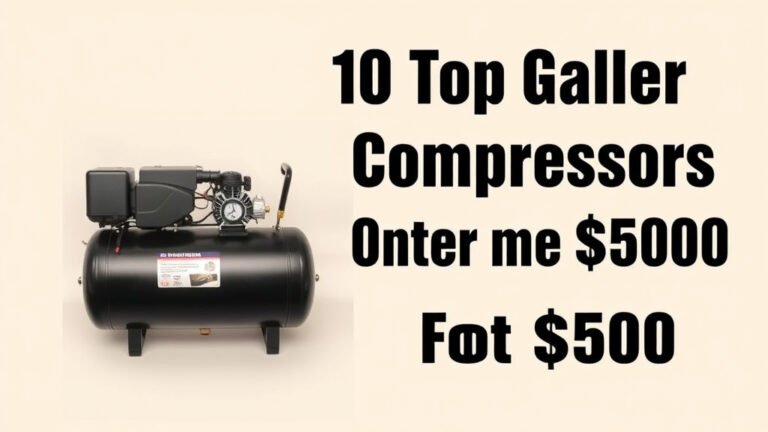
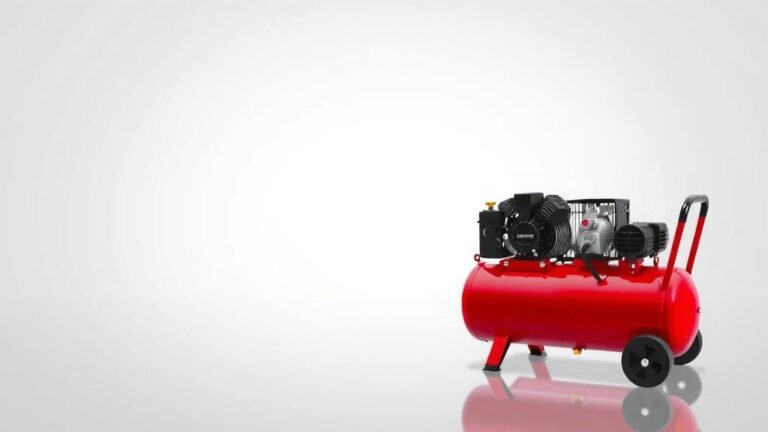
So, you’re wondering about the cost of an air compressor for your home? You can expect to pay anywhere from $100 to over $1,000 for a home air compressor. The price really depends on the type and power you need for your projects.
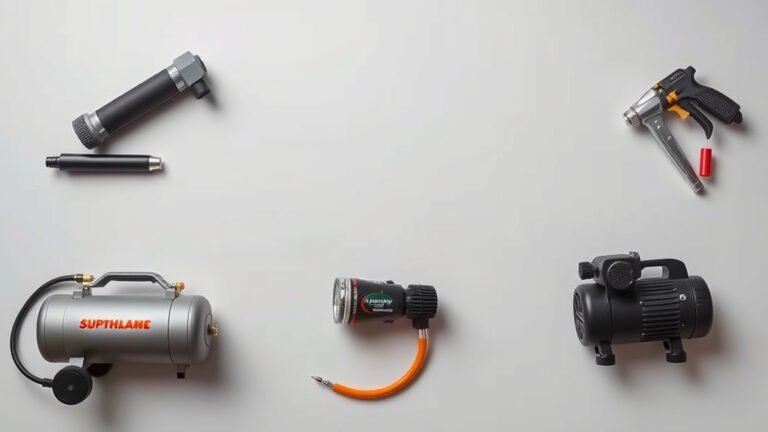
We found that smaller, portable compressors are great for basic tasks like inflating tires. Larger, more powerful ones are better suited for running air tools or DIY projects. Think about what you’ll be using it for most often to find the right fit and avoid overspending. It’s a big difference in price and performance!
- Air compressors for home use range from $100 to $1,000+.
- Price depends on type, size, and power.
- Portable models are cheaper for simple tasks.
- Larger units are needed for power tools and bigger jobs.
- Consider your primary use case for the best value.
Let’s break down the factors that influence the cost, so you can make an informed decision for your home air compressor needs.
Understanding Air Compressor Costs for Your Home
So, you’re looking to buy an air compressor for your house, but the price tags are making your head spin? We get it! The cost can vary a lot.
You’ll find that most home air compressors fall into a price range of about $100 to $1,000. However, some high-end or specialized models can go even higher.
Key Factors Influencing Air Compressor Prices
Several things will determine how much you end up spending. It’s not just about the brand name. Think about what you need the compressor to do.
Power and Performance: The Horsepower Equation
One of the biggest price drivers is horsepower (HP). More horsepower means more power to run tools. You’ll see compressors ranging from a 1 HP motor up to 6.5 HP or more for home use.
For simple tasks like inflating tires or powering a brad nailer, 1 to 2 HP is often enough. If you plan to use tools that need a lot of air, like impact wrenches or spray guns, you’ll need at least 3 HP.
Tank Size Matters: How Much Air Can It Hold?
The size of the air tank also affects the price. Tanks are measured in gallons. A small pancake compressor might have a 1 to 6-gallon tank. Larger stationary units can have tanks of 60 gallons or more.
A bigger tank means the compressor doesn’t have to cycle on and off as often. This is great for continuous use with tools. For occasional use, a smaller tank is fine and usually cheaper.
Type of Compressor: Portable vs. Stationary
The type of compressor plays a huge role in cost. You have a few main categories:
Pancake and Hot Dog Styles: The Portable Pros
These are the most common for DIYers. Pancake compressors are short and wide, while hot dog models are taller and slimmer. They are lightweight and portable.
Their tanks are usually small, holding 1-6 gallons. They are great for inflating, nailing, and light stapling. You can find these for around $100 to $300.
Twin-Stack and Wheelbarrow Models: Stepping Up the Power
These offer more power and larger tank capacities. Twin-stack compressors have two smaller tanks that add up to a decent volume. Wheelbarrow types are designed for easy movement around a job site.
They can handle more demanding tools like air ratchets or small sanders. Expect to pay between $300 and $700 for these. They often have 2-4 HP.
Stationary and Vertical Tanks: The Heavy Hitters
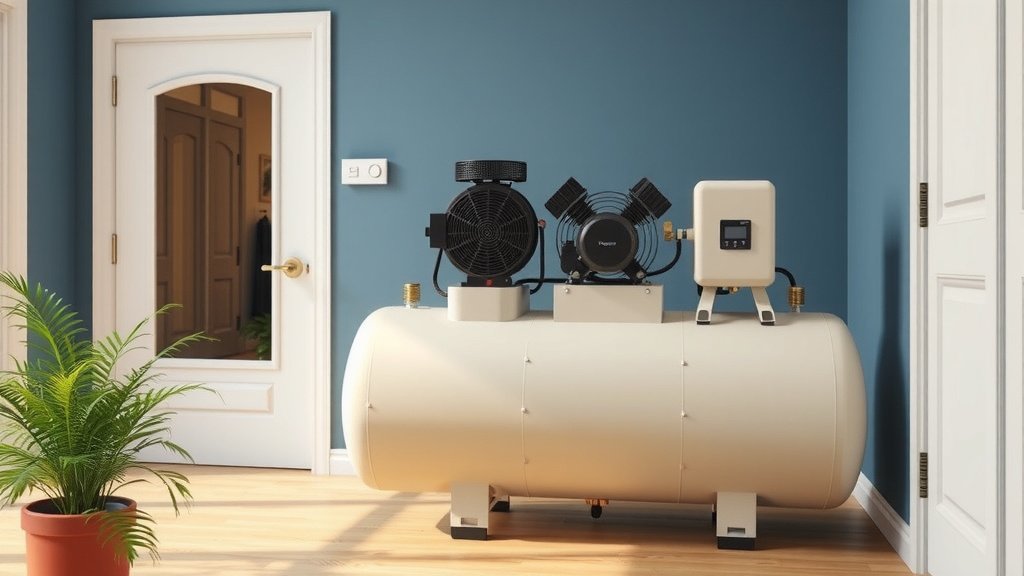
If you have a dedicated workshop, a stationary compressor might be for you. These are powerful units with large tanks (20 gallons and up). They are designed for continuous operation of air tools.
These are the most expensive home models, often starting around $500 and going up to $1,000 or more. They usually have 4-6.5 HP and are best for serious hobbyists or small professional shops.
Oil vs. Oil-Free Pumps: A Matter of Maintenance and Cost
Compressor pumps come in two main types: oil-lubricated and oil-free. Each has its pros and cons that can affect the price.
Oil-Lubricated Pumps: Built for Longevity
These pumps use a bit of oil to keep the moving parts lubricated. Many experts say this makes them last longer and run quieter. They are often found in higher-end and larger units.
The trade-off is that you need to monitor and change the oil periodically. This adds a small ongoing cost and maintenance step. They tend to be a bit pricier upfront.
Oil-Free Pumps: Low Maintenance, Often Louder
Oil-free pumps are simpler and require less maintenance. You don’t have to worry about oil changes. This makes them a popular choice for casual users.
However, they can be noisier than oil-lubed models. They might also have a shorter lifespan under heavy use. These are common in smaller, portable compressors and are generally more affordable.
Comparing Air Compressor Costs: A Quick Glance
To give you a clearer picture, here’s a look at what you might expect for different needs:
| Use Case | Typical HP | Typical Tank Size | Estimated Price Range |
|---|---|---|---|
| Inflating tires, cleaning, stapling | 1 – 2 HP | 1 – 6 Gallons | $100 – $300 |
| Running nail guns, small impact wrenches | 2 – 3 HP | 6 – 20 Gallons | $250 – $500 |
| Powering multiple tools, larger DIY projects | 3 – 5 HP | 20 – 60 Gallons | $400 – $800 |
| Continuous use for demanding tools, workshop | 5 – 6.5 HP | 60+ Gallons | $700 – $1,000+ |
Don’t Forget the Extras: Additional Costs to Consider
The price of the compressor itself isn’t the only expense. You might need a few other things to get it up and running.
Air Hoses and Fittings
You’ll need an air hose to connect your tools to the compressor. Hoses vary in length, material, and diameter, affecting price. Fittings and couplers are also necessary. These can add another $20 to $50.
Air Tools Themselves
If you don’t already own them, the air tools you plan to use will be a separate cost. A simple nail gun might be $30-$50, while a powerful impact wrench could be $100 or more. We found that investing in quality tools often pays off.
Air Filters and Maintenance Supplies
Depending on your compressor type, you might need replacement air filters or oil. These are usually small costs but good to budget for. Many sources suggest checking your manual for specific recommendations (Campbell Hausfeld).
Making Your Final Decision: What to Look For
When you’re ready to buy, think about these final points to ensure you get the best value for your money.
- Assess your primary needs: What will you use it for most often?
- Consider future projects: Might you need more power later?
- Check CFM ratings: This tells you how much air the compressor delivers. It’s often more important than HP for tool performance.
- Read reviews: See what other homeowners say about reliability.
- Don’t overspend on features you won’t use: Stick to what you actually need.
Conclusion
Deciding on the right air compressor for your home involves balancing your project needs with your budget. We found that portable models under $300 are excellent for basic tasks, while more powerful units for serious DIYers can range from $300 to over $1,000. Consider the horsepower, tank size, and pump type that best match your intended use. By carefully assessing what you need and researching your options, you can find a compressor that offers great performance without breaking the bank. Your next step is to identify your top 2-3 most frequent uses and then look for a compressor within the estimated price range for those tasks.
Frequently Asked Questions
How much does a basic air compressor for inflating tires cost?
For simple tasks like inflating car tires, bike tires, or balls, you can typically find a suitable portable air compressor for around $100 to $200. These models are usually small, lightweight, and have smaller tank sizes.
Is a larger air compressor more expensive than a smaller one?
Yes, generally speaking, larger air compressors with higher horsepower and bigger tank capacities are more expensive. A unit designed for running multiple air tools in a workshop will cost significantly more than a compact compressor for occasional inflations.
Do I need to factor in the cost of accessories when buying an air compressor?
Absolutely. Besides the compressor itself, you’ll need to budget for essential accessories like air hoses, couplers, and fittings, which can add another $20 to $50. If you don’t own them, the cost of air tools is also a separate purchase.
Are oil-free air compressors cheaper than oil-lubricated ones for home use?
Oil-free air compressors are often more affordable upfront, especially in smaller, portable models. While they require less maintenance, oil-lubricated pumps may have a longer lifespan, making their higher initial cost a worthwhile investment for some users.
Can I get a good workshop air compressor for under $500?
You can find capable air compressors for workshop use in the $400 to $700 range, especially if you look for twin-stack or smaller stationary models with 2-4 HP and tanks around 10-20 gallons. For very heavy-duty continuous use, you might need to spend closer to $700-$1,000.