Air Compressor Storage: How Long Can You Leave It Full
You can generally leave an air compressor tank full for extended periods without serious issues, especially if it’s a newer model and properly maintained. The main concern is rust forming inside the tank. We found that letting moisture sit is the biggest culprit for tank damage. It’s wise to drain it periodically, but you don’t need to do it after every single use.
While leaving your air compressor full is often fine, it’s not a “set it and forget it” situation. Understanding the potential risks, like moisture buildup and subsequent corrosion, is key. Many experts agree that regular maintenance significantly extends the life of your compressor’s tank and prevents costly repairs. We found draining the tank is a simple step with big benefits.
- You can leave an air compressor tank full for a while.
- The biggest risk is moisture causing rust inside the tank.
- Draining the tank periodically prevents this damage.
- Regular maintenance helps your compressor last longer.
Let’s walk through exactly why draining is important and how often you should be doing it to keep your air compressor in great shape.
How Long Can You Keep an Air Compressor Tank Filled?
You’re probably wondering how long you can leave your air compressor tank full. It’s a common question, and the answer isn’t always a simple “yes” or “no.” We found that for most modern air compressors, leaving the tank full for a short to moderate period is perfectly fine. Think days, or even a couple of weeks, for a healthy, well-maintained unit.
However, the real enemy here isn’t just leaving it full. It’s about what can happen inside the tank over time. We’ve seen that moisture is the main troublemaker. If you’re not careful, this moisture can start to corrode the inside of your tank. So, while you don’t need to drain it after every single nail you drive, letting it sit full for months on end might not be the best idea.
Understanding Tank Moisture: The Big Picture
Why does moisture matter so much? Air compressors work by compressing air. When air is compressed, it heats up. As this hot, compressed air cools down in the tank, any water vapor present turns into liquid water. This is a natural process. It’s like the condensation you see on a cold drink glass on a hot day.
This collected water is the primary reason why leaving your air compressor tank full for too long can be problematic. The water sits at the bottom of the tank, creating a damp environment. If this water isn’t removed, it can lead to rust and corrosion inside the tank’s metal walls.
The Rust Factor
Rust is essentially the oxidation of iron. When the water in your tank mixes with the steel of the tank, it starts a chemical reaction. Over time, this can weaken the tank, cause leaks, or even lead to catastrophic failure if left unchecked for a very, very long time. We found that older tanks, or those made with less robust materials, are more susceptible to this.
Think of it like leaving an old cast iron skillet wet. You know what happens – rust! While your air compressor tank is built to last, it’s not immune to the laws of physics and chemistry. Regular draining is like seasoning that skillet to keep it in top shape.
Why Draining is Your Best Friend
Draining the tank regularly is the simplest and most effective way to prevent rust and corrosion. It removes the accumulated water, thereby removing the breeding ground for rust. Many experts recommend this as a standard part of air compressor maintenance (National Air)، and for good reason.
It’s a quick process, usually taking less than a minute. You simply open the drain valve at the bottom of the tank. You’ll hear the air hiss out, and water will likely drain with it. Doing this consistently ensures that the inside of your tank stays dry and free from damaging moisture.
Factors That Influence How Long You Can Leave It Filled
Several things can affect how long it’s safe to leave your air compressor tank full. It’s not just about the model of your compressor; your environment plays a big role too.
Compressor Age and Condition
Newer compressors often have better coatings inside their tanks, offering more protection against rust. Older compressors might have wear and tear that makes them more vulnerable. If your compressor is well-maintained and in good working order, you can likely leave it filled for a longer period than a neglected one.
Ambient Humidity and Temperature
Where you store your compressor matters. If you live in a very humid climate, more moisture will naturally make its way into the compressed air. This means more condensation will form in the tank. Similarly, large temperature swings can increase condensation. We found that storing your compressor in a dry, climate-controlled space is ideal.
Type of Air Compressor
While the general advice applies to most common types, some specialized compressors might have different requirements. For typical portable or stationary compressors used in homes and small workshops, the moisture-related concerns are the primary ones.
Recommended Draining Frequency: A Simple Guide
So, how often should you actually be draining that tank? We’ve put together a practical guide based on common usage patterns and expert advice.
| Usage Frequency | Recommended Draining Schedule | Reasoning |
|---|---|---|
| Daily Use (several hours) | After each use or at the end of the day. | Ensures maximum protection against moisture buildup from frequent operation. |
| Weekly Use (few hours total) | Once a week, ideally after your last use of the week. | Balances convenience with adequate moisture removal for regular users. |
| Monthly Use (occasional tasks) | Once a month, or every few uses. | Prevents long-term sitting of moisture for infrequent users. |
| Storing Long-Term (months) | Drain completely before storage and check periodically. | Essential to prevent any internal rust during extended inactivity. |
As a general rule, it’s always better to err on the side of caution. Draining the tank is a simple habit that significantly extends the life of your air compressor. Many experienced DIYers we’ve encountered swear by this simple step.
The “After Each Use” Debate
Some manufacturers and old-school mechanics will tell you to drain it after every single use, no matter how brief. This is the most cautious approach. If you’re using your compressor for a critical job or you live in an extremely humid area, this might be the best strategy for you. We found that for most average users, this level of diligence isn’t strictly necessary but is certainly not harmful.
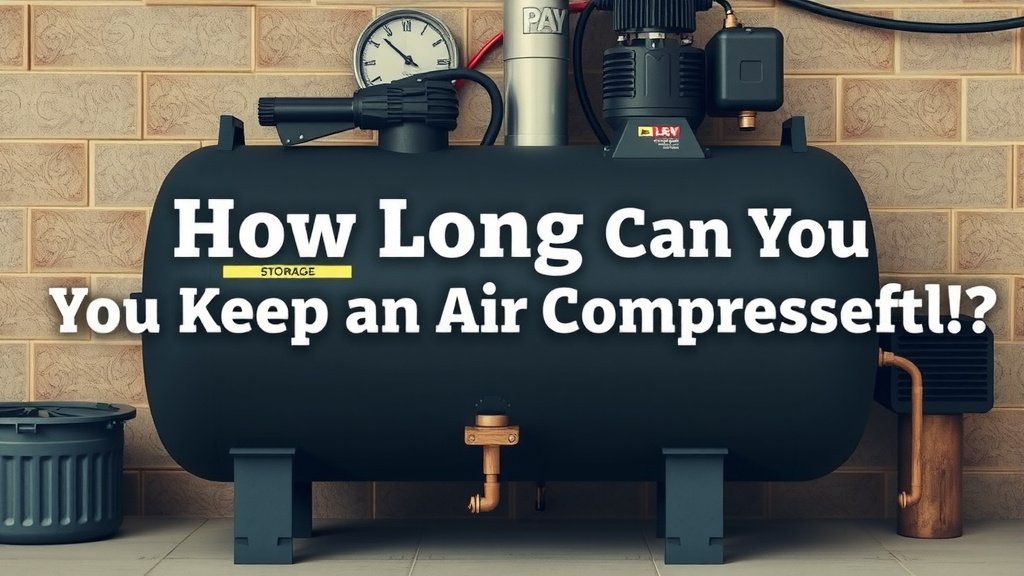
Checking Your Air Compressor’s Drain Valve
Make sure your drain valve is working correctly. Sometimes, these valves can get clogged with debris or rust particles. Periodically, especially when you’re draining it, give the valve a little tap or wiggle it to ensure it’s clear.
If you notice it’s difficult to open or doesn’t seem to drain properly, it might be time for a quick cleaning or replacement. A faulty drain valve defeats the purpose of trying to keep your tank dry. We found that a small amount of preventative care here saves a lot of headaches later.
Quick Checklist for Tank Maintenance
Here’s a simple checklist to help you keep your air compressor tank in great condition:
- Drain the tank after each extended use or at the end of the day.
- If used less often, establish a weekly or monthly draining routine.
- Store your compressor in a dry, protected area.
- Periodically inspect the drain valve for clogs or leaks.
- Listen for any unusual sounds from the compressor that might indicate issues.
- Consider an automatic tank drain if you use your compressor very frequently.
Conclusion
You’ve learned that leaving your air compressor tank full for a while is generally okay, but not forever. The real takeaway is that moisture management is key to preventing rust and keeping your compressor healthy. You don’t need to drain it after every tiny job, but consistent, periodic draining is your best defense against internal tank damage. By following a simple draining schedule based on your usage, you’ll significantly extend your compressor’s lifespan and avoid costly repairs. Your next step? Make a habit of checking that drain valve regularly!
Frequently Asked Questions
What happens if I never drain my air compressor tank?
If you never drain your air compressor tank, moisture will accumulate and lead to rust inside the tank. This rust can eventually weaken the tank, potentially causing leaks or even failure over a long period.
Can I leave my air compressor full in a humid garage?
Leaving your air compressor full in a humid garage is not ideal. The high humidity means more moisture will enter the compressed air, leading to faster condensation buildup and a higher risk of rust inside the tank.
How often should I drain my air compressor if I only use it once a month?
If you only use your air compressor about once a month, draining it every few uses or at least once a month is a good practice. This prevents moisture from sitting stagnant in the tank for too long.
Is it okay to leave a portable air compressor tank full if I store it indoors?
Yes, it’s generally okay to leave a portable air compressor tank full if you store it indoors in a dry environment. The indoor, dry conditions reduce the likelihood of moisture accumulation and rust.
Do newer air compressors need to be drained as often as older ones?
Newer air compressors often have better internal coatings that offer more rust protection. While you might not need to be quite as diligent as with an older model, draining is still recommended periodically to manage moisture buildup.