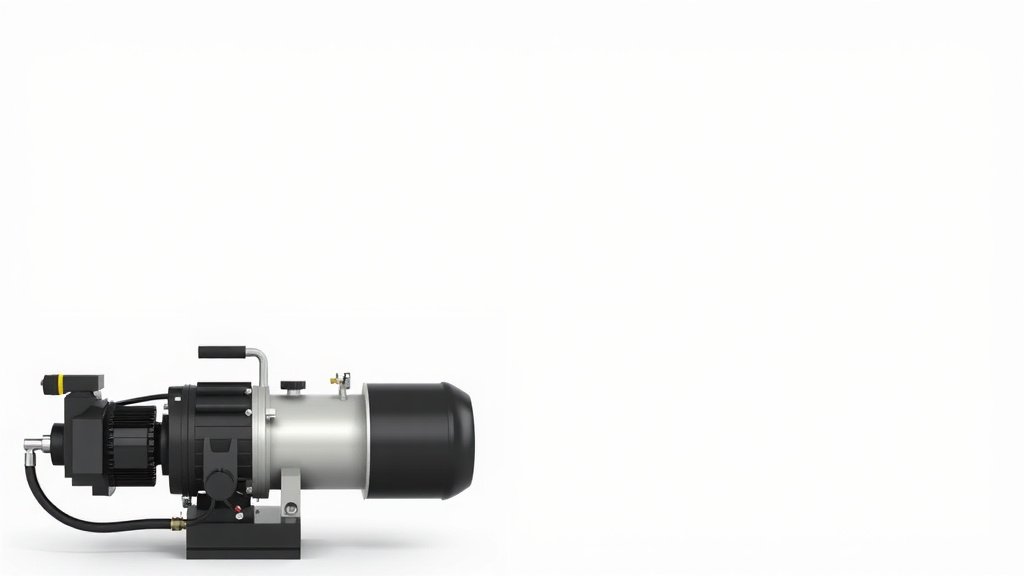
How a Screw Air Compressor Works: An In-Depth Guide
A screw type air compressor works by using two intermeshing helical screws to draw in and compress air. As the screws rotate, they create a moving pocket of air that gets smaller, increasing the air pressure. This efficient design makes it ideal for many industrial uses.
Think of it like squeezing a balloon – the more you compress the air inside, the higher the pressure gets. This type of compressor is known for its reliability and continuous airflow, which is why you’ll find them powering everything from factories to workshops. It’s a clever mechanical solution for a common need.
TL;DR:
- Screw air compressors use rotating screws to compress air.
- Air enters and gets trapped in pockets between the screws.
- The screws turn, making the pockets smaller and increasing pressure.
- This method provides continuous compressed air.
- It’s a popular choice for steady, high-demand applications.
Let’s break down exactly how these powerful machines make air under pressure happen, step by step.
Understanding the Screw Air Compressor Mechanism
So, how does a screw type air compressor actually work its magic? At its heart, this compressor uses a pair of helical screws. These screws are designed to mesh together perfectly. They work in tandem to draw in and compress air. This design is quite clever.
The Core Components and Their Roles
You’ll find a few key parts inside every screw compressor. The most important are the two rotors. One is the male rotor and the other is the female rotor. They have different shapes but fit together snugly. Air enters at one end and is squeezed as it moves through.
The Male Rotor
The male rotor is usually the driving rotor. It has a lobe shape. Think of it as having more prominent ridges or teeth. These lobes are shaped to create pockets. These pockets are essential for trapping the air.
The Female Rotor
The female rotor is designed to complement the male rotor. It has concave grooves. These grooves perfectly match the convex lobes of the male rotor. This precise fit is what allows the compressor to seal the air pockets effectively.
The Compression Cycle Explained
The magic happens when these rotors start to turn. They rotate in opposite directions. This rotation is synchronized, so they don’t grind against each other. This synchronized movement is key to efficient operation.
Air Intake: The Beginning of the Process
As the rotors turn, they create space. Air is drawn into the compressor housing. It enters the area between the rotors. This happens at the inlet port. The space between the screw threads expands as they un-mesh.
Trapping the Air: Creating the Pockets
As the rotors continue to rotate, the air gets trapped. It gets sealed off in pockets. These pockets form between the flanks of the screws and the compressor casing. The air is now ready to be compressed.
The Squeeze: Increasing Air Pressure
This is where the real compression happens. The rotors keep turning. The trapped air pockets are moved along the length of the rotors. They move from the inlet towards the outlet. As they travel, the volume of the pockets gets smaller. This is because the screws are designed to get narrower towards the outlet. Imagine a moving conveyor belt that gradually squeezes whatever is on it. This shrinking volume forces the air molecules closer together. This increases the pressure of the air. Many experts agree this is a very effective way to generate pressure (National Institute of Standards and Technology).
Air Discharge: The Compressed Air Exits
Finally, the compressed air reaches the end of the rotors. It exits through the discharge port. The pressure is now much higher than when it entered. This high-pressure air is then ready to be used for various applications. The process repeats continuously as long as the compressor is running.
Why Screw Compressors Are So Popular
You might be wondering why screw compressors are used so often. There are several good reasons for their popularity. Their design offers some distinct advantages over other compressor types.
Continuous and Stable Airflow
Unlike some other compressors that might surge or pulse, screw compressors provide a very smooth and consistent airflow. This is because the compression process is continuous. There are no major stops or starts in the air delivery. This reliability is vital for many industrial machines that need a steady supply of air to function correctly.
Efficiency and Energy Savings
When properly sized and maintained, screw compressors are quite energy-efficient. The design minimizes internal leakage. This means less energy is wasted. We found that energy efficiency is a major selling point for businesses looking to reduce operating costs. Many modern screw compressors also include variable speed drives. These allow the compressor to adjust its speed based on demand, saving even more energy.
Durability and Low Maintenance
Screw compressors are known for their robust construction. The rotors don’t actually touch each other. This reduces wear and tear. It means these compressors can often operate for a long time with minimal maintenance. Regular oil changes and filter replacements are usually sufficient. This durability translates to lower overall ownership costs.
A Quick Comparison Table
To help you visualize, let’s look at how a screw compressor stacks up.
| Feature | Screw Compressor | Other Types (e.g., Piston) |
|---|---|---|
| Airflow | Continuous, smooth | Pulsating, less consistent |
| Efficiency | Generally high | Can vary, often lower for continuous use |
| Maintenance | Lower, fewer moving parts in contact | Higher, more wear on piston rings |
| Noise Level | Moderate, often enclosed | Can be louder, especially older models |
| Typical Use | Industrial, continuous high demand | Smaller shops, intermittent use |
Key Takeaways for Your Understanding
Let’s recap the essential points about how these compressors get the job done:
- Two intermeshing screws rotate to create and shrink air pockets.
- Air is drawn in, trapped, and squeezed as the pockets move.
- The continuous rotation ensures a steady supply of compressed air.
- This design leads to reliable performance and reduced wear.
- Screw compressors are favored for their efficiency and smooth operation.
Understanding these core principles helps you appreciate the engineering behind this essential piece of equipment. It’s not magic, but it’s certainly a brilliant mechanical solution!
Conclusion
You now understand how a screw type air compressor works. Its ingenious design, using two rotating screws, creates continuous compressed air. We’ve seen how this process leads to reliable performance and energy efficiency, making it a top choice for many industries. This machine’s ability to provide steady airflow without pulsing is a real advantage. If you’re considering an air compressor, appreciating the mechanics behind the screw type helps you make an informed decision. Your next step should be to assess your specific air demand and consult with a professional to find the right-sized screw compressor for your needs.
Frequently Asked Questions
How do the two screws in a screw compressor avoid damaging each other?
The male and female rotors are precisely engineered to maintain a small, consistent gap between them. They are typically driven by gears, ensuring they rotate at synchronized speeds without ever physically touching. This design minimizes wear and tear.
What is the main advantage of a screw compressor’s continuous airflow?
The continuous, smooth airflow is essential for equipment that requires a constant supply of compressed air to operate without interruption or fluctuations. This prevents sudden drops in pressure that could cause issues in sensitive machinery.
Are screw compressors more energy-efficient than other types?
Generally, yes, especially for continuous operation. Their design minimizes internal leakage, and modern units often feature variable speed drives. This allows them to adjust output to meet demand, saving energy compared to compressors that cycle on and off.
Can a screw compressor handle very high pressures?
Screw compressors are well-suited for a wide range of pressures. For extremely high-pressure applications, they might be used in combination with other compression stages, or specialized multi-stage screw compressor designs are employed.
How does the lubrication system in a screw compressor work?
Most screw compressors are oil-injected. Oil is injected directly into the compression chamber. It serves multiple purposes: cooling the air, lubricating the rotors, and sealing the small gaps between them, which enhances efficiency.