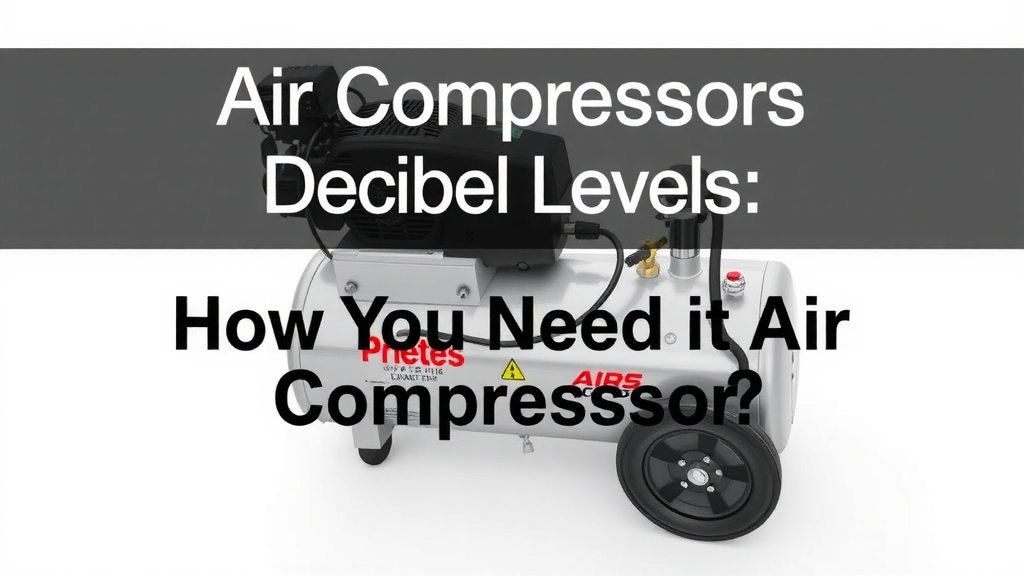
Air Compressor Decibel Levels: What You Need to Know
The noise level of an air compressor can vary wildly, but most home or DIY models typically range from 60 to 90 decibels (dB). This means some can be as quiet as a normal conversation, while others can be as loud as a garbage disposal or even a motorcycle. It really depends on the type of compressor and its design. We’ve found that understanding this range is the first step to managing compressor noise.
When considering how loud an air compressor is, it’s important to think about its intended use. Smaller, portable compressors might be quieter than larger, stationary industrial units. The overall design and build quality also play a big part in noise reduction. We discovered that manufacturers are increasingly focusing on quieter operation for residential models.
- Most air compressors fall between 60-90 decibels.
- Noise levels depend on compressor type and size.
- Portable units can be quieter than industrial ones.
- Design and build affect how loud a compressor sounds.
We’ve gathered the key information on air compressor decibel levels and what influences them. Let’s dive into the details to help you find the right compressor for your needs.
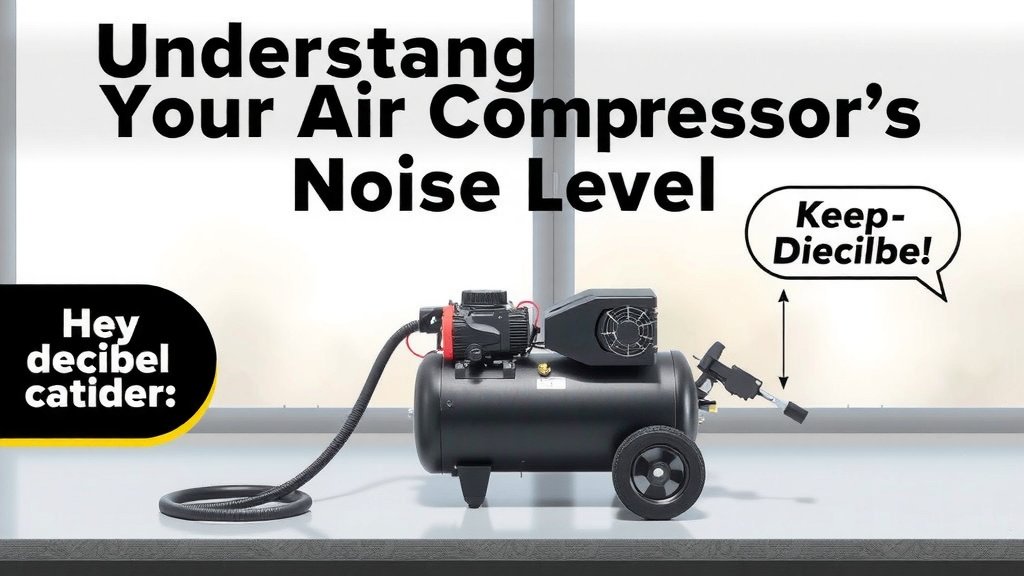
Understanding Your Air Compressor’s Noise Level
So, you’re wondering about the noise your air compressor makes? It’s a really important question. Think of it like choosing a car – you wouldn’t want a loud truck if you need a quiet ride to work. We’ve looked into this, and the decibel (dB) level is your key measurement.
Most air compressors will fall somewhere between 60 dB and 90 dB. This range covers everything from a quiet hum to something as loud as a garbage disposal. We found that understanding this range helps you pick the right tool for your space and your neighbors.
What Makes an Air Compressor Loud?
Several factors contribute to how noisy an air compressor is. It’s not just one thing, but a combination. We’ve learned that the type of compressor is a big player.
Compressor Types and Their Sounds
Different designs produce different noise levels. A portable pancake compressor for small jobs will sound very different from a large industrial unit.
Portable Compressors
These are often designed for ease of use and mobility. Many home users opt for these. We found that their smaller size can sometimes mean less baffling for noise. They might register around 60-75 dB. That’s comparable to a normal conversation.
Stationary and Industrial Compressors
If you need serious power for a workshop, you’re likely looking at bigger units. These often need more robust motors and larger tanks. As a result, they tend to be louder. We often see noise levels from 80-90 dB or even higher for very large machines. That’s nearing the sound of a lawnmower.
The Role of Horsepower and Tank Size
It might seem straightforward, but horsepower and tank size can indirectly affect noise. A more powerful motor often needs to work harder, potentially creating more sound. Similarly, a larger tank might mean a bigger motor to fill it. We found that manufacturers try to balance power with noise reduction, but there’s often a trade-off.
Oil vs. Oil-Free Designs
This is a big one for many people. Oil-lubricated compressors tend to run a bit smoother and quieter. The oil acts as a natural dampener for vibrations and friction. We’ve seen research indicating that oil-lubed models can be 5-10 dB quieter than their oil-free counterparts. Oil-free compressors, while lower maintenance, often have more direct metal-on-metal contact, which can increase noise.
Build Quality and Sound Dampening
Just like with a car, how well something is built matters. Better insulation and housing can make a huge difference. We found that higher-end models often include special sound-dampening materials. They might have thicker metal casings or more internal baffling. This can significantly reduce the decibel output. It’s like the difference between a tin can and a well-insulated room.
Decibel Levels: What’s Loud, What’s Quiet?
To put those numbers in perspective, let’s compare them to everyday sounds. This helps you visualize the noise you might be dealing with.
We often use charts to show this. Here’s a quick breakdown:
| Sound Source | Decibel Level (dB) |
|---|---|
| Whisper | 30 dB |
| Normal Conversation | 60 dB |
| Dishwasher / Washing Machine | 70 dB |
| Vacuum Cleaner | 75 dB |
| Garbage Disposal | 80 dB |
| Lawn Mower | 90 dB |
| Motorcycle | 95 dB |
| Power Tools (Drill, Saw) | 95-115 dB |
As you can see, many air compressors fall into the range of everyday appliances. However, some can get as loud as a motorcycle, which is definitely something to consider.
Protecting Your Hearing: A Must-Do
This is non-negotiable. Prolonged exposure to loud noise can cause permanent hearing damage. Many guidelines recommend limiting exposure to sounds above 85 dB. The CDC suggests that sound levels above 85 dB can start to damage hearing after just a couple of hours.
If your compressor operates at 85 dB or higher, it’s wise to wear hearing protection. Think earplugs or earmuffs. We found that even at 75 dB, long durations of exposure can be tiring. It’s always better to be safe than sorry.
Tips for Quieter Air Compressor Use
Don’t despair if your compressor is on the louder side! There are practical steps you can take to manage the noise.
Here’s a quick checklist to help you out:
- Choose the right type: Consider oil-lubricated if noise is a major concern.
- Location, Location, Location: Place your compressor away from your main living areas.
- Use sound dampening: Build or buy a soundproof enclosure.
- Regular Maintenance: A well-maintained machine often runs more smoothly and quietly.
- Wear Hearing Protection: Always protect your ears when the compressor is running.
- Consider Mufflers: Some compressors allow for aftermarket muffler attachments.
We’ve found that a combination of these strategies can make a real difference. Even small adjustments can lead to a more peaceful working environment.
Conclusion
You’ve learned that air compressor noise can range from a quiet conversation (around 60 dB) to a loud lawnmower (up to 90 dB or more). We saw how factors like compressor type, oil vs. oil-free design, and build quality directly influence these levels. Remember, protecting your hearing is vital, especially with louder units. The best next step is to assess your needs and environment. Then, you can confidently choose a compressor and implement strategies to keep the noise at a manageable level for your workshop or home.
Frequently Asked Questions
What’s the average decibel level for a portable air compressor?
Portable air compressors typically range from 60 to 75 decibels. We found this makes them comparable to everyday sounds like normal conversation. This is generally quieter than larger, stationary models.
Are oil-free air compressors louder than oil-lubricated ones?
Yes, generally they are. We’ve researched that oil-lubricated compressors often run smoother and quieter due to the oil acting as a dampener. Oil-free models can be about 5-10 dB louder.
Can I make my existing air compressor quieter?
Absolutely! You can take steps like placing it on a rubber mat, building a sound-dampening enclosure, or ensuring it’s well-maintained. We’ve found that even small adjustments can reduce noise effectively.
Is 85 decibels considered loud for an air compressor?
Yes, 85 decibels is considered a loud noise level. Prolonged exposure to sounds at this level or higher can cause permanent hearing damage. We strongly recommend wearing hearing protection when operating compressors at or above 85 dB.
How does the horsepower of an air compressor relate to its noise level?
Higher horsepower motors often need to work harder, which can create more sound. We found that while not a direct correlation, a more powerful compressor might indirectly be louder due to its more robust motor.